
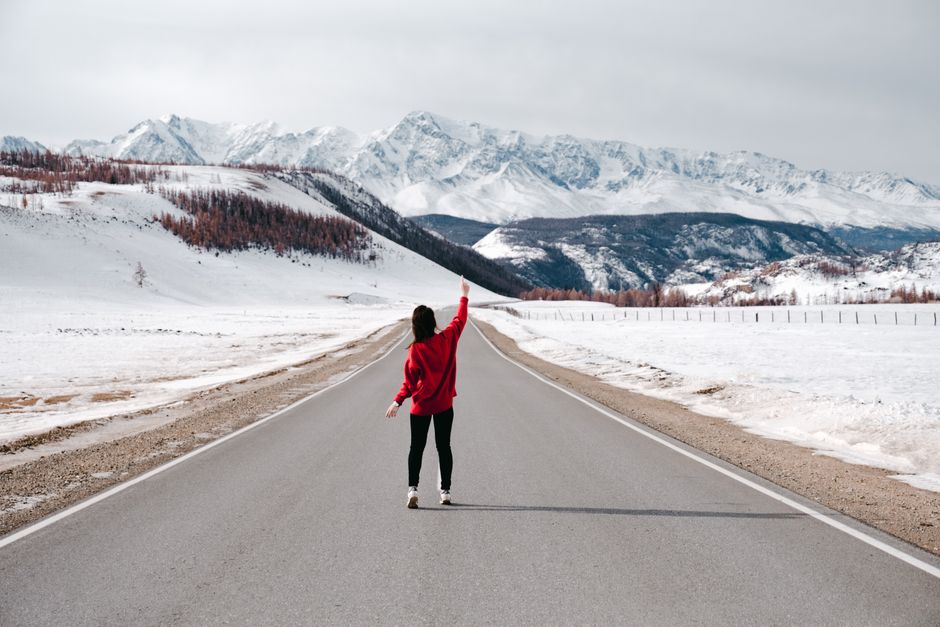
You land in Chicago at 7 a.m., walk three blocks to the train, then spend the afternoon inside overheated museums. By dinner, your sweater is stuffed in your day bag, your coat is too warm, and the cold has reached your wrists. That is a packing problem, not a toughness problem.
The best winter travel system uses separate layers that each do one job: move moisture away from your skin, trap warm air, and block wind or rain. You can then remove one layer indoors without carrying a second suitcase. This guide focuses on practical packing, real product prices, and the mistakes that make winter clothing feel bulky. This is not financial advice; it is travel-gear advice.
How layering keeps you warm in cold weather
The base layer controls moisture
Cold-weather comfort starts next to your skin. When you walk quickly through a station or climb a hill, your body produces sweat. A wet cotton shirt holds that moisture against you, then feels cold when you stop. A close-fitting merino wool or synthetic base layer moves moisture away faster and keeps a thin layer of warm air near your body.
Choose a long-sleeve top and long underwear based on activity and temperature. The fit should be close without squeezing your chest or restricting your shoulders. A loose base layer creates cold gaps; an overly tight one reduces comfort and leaves no room for movement.
The middle layer stores heat
Your midlayer creates loft. Loft means tiny air spaces that your body warms. Fleece works well because it stays warm when slightly damp and dries quickly. Down gives more warmth for its weight, but moisture can flatten its loft. Synthetic insulation handles damp conditions better, though it usually takes more space in a suitcase.
Do not judge warmth by thickness alone. A thin, well-fitting base layer, a moderate insulating layer, and a wind-blocking shell can outperform one giant sweater. The system works because you can adjust it before sweat becomes a problem.
The shell stops wind and water
Wind strips away the warm air trapped by your other layers. A shell should block wind, shed snow or rain, and fit over your insulation without crushing it. Look for a hood, adjustable cuffs, a hem that closes, and a zipper you can operate with gloves. A water-resistant fashion coat may work for short walks, but a waterproof shell is the safer choice for exposed platforms, wet snow, or a forecast that changes by the hour. My verdict: spend your first money on a good layering system, not on the thickest coat you can find.
What to pack for a 20°F winter city trip

Use the three-layer packing rule
- Next to skin: Pack two long-sleeve base-layer tops and one or two pairs of thermal bottoms. Two tops let one dry while you wear the other.
- Insulation: Pack one fleece or insulated jacket for daily use. Add a second light sweater only if you expect formal dinners or long outdoor waits.
- Weather protection: Pack one windproof shell or insulated coat with enough room for the base and midlayers underneath.
- Hands and head: Bring a warm hat that covers your ears, liner gloves, and waterproof insulated mittens. Mittens usually beat gloves for warmth because fingers share heat.
- Feet: Pack two pairs of wool-blend socks, one pair of waterproof shoes or boots, and optional thin liner socks. Avoid wearing brand-new boots on the flight.
Build outfits before you close the bag
Lay out three complete outfits on the bed. Each outfit should include a base layer, one shirt or sweater, trousers, socks, and shoes. Then test the top layers together. Sit down, raise your arms, and zip the coat. If the collar presses into your neck or the sleeves pull at your wrists, the system will annoy you every day.
For a five-day trip, a sensible clothing core is two base tops, three everyday shirts, two trousers, one insulating layer, one shell or winter coat, three pairs of socks, and one sleep outfit. Wear the bulkiest shoes and coat during transit. Compression cubes can reduce loose fabric, but they cannot make a heavy coat weigh less. My verdict: plan around repeated layers, not five separate outfits.
Which base layer deserves your money?
The fabric costs more than basic polyester, but odor resistance matters when you are rewearing clothes from a carry-on.
Merino versus synthetic fabric
Merino is comfortable across a wider temperature range and usually smells less after a full day. It also dries more slowly and can wear through at the elbows or under backpack straps. Polyester is often cheaper, dries faster, and handles repeated washing better. A synthetic base layer is the better buy for sweaty hikes, budget trips, and travelers who plan to wash clothes in a sink every night.
Do not pay for merino just because the label says “natural.” Check the fabric weight, seam placement, and return policy. The exact fiber matters less than the fit and the grams per square meter.
When not to buy the premium option
Skip the Smartwool if you dislike wool texture, have known wool sensitivity, or will spend most of the trip indoors. Buy a synthetic 150 to 200 g/m² top instead. For a cold sightseeing trip with long waits outside, the Smartwool is the stronger choice because odor control and temperature range reduce the number of garments you need to pack. Bottom Line: pay for merino when rewearing and comfort matter; choose synthetic when fast drying and low cost matter more.
Down or synthetic insulation for winter travel?
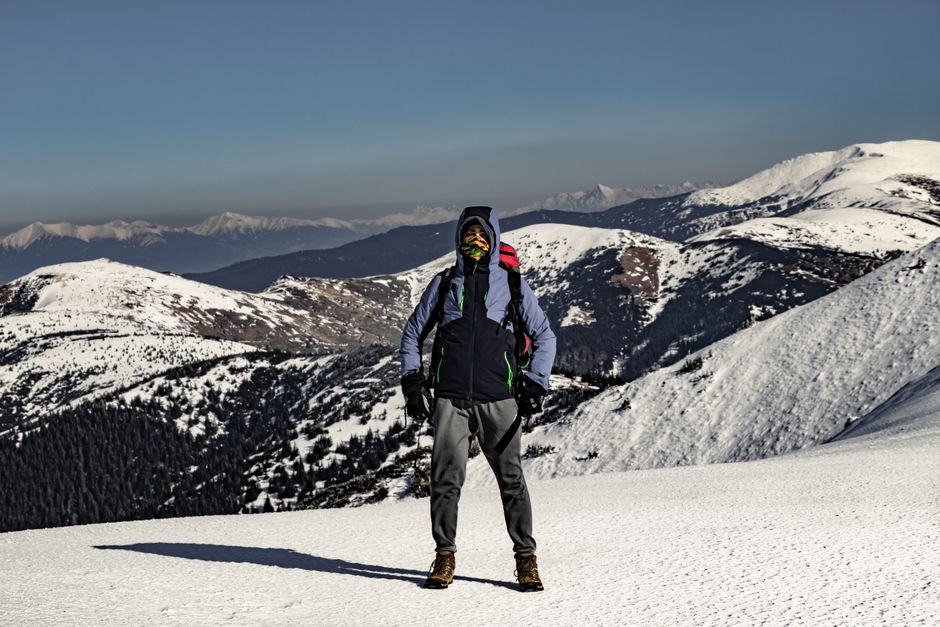
The short answer: choose synthetic insulation for wet city weather and down for dry, cold trips where every ounce matters. Neither material wins every climate, and marketing often hides the tradeoff.
Side-by-side comparison
| Insulation choice | Typical strength | Main weakness | Best travel use |
|---|---|---|---|
| Synthetic | Retains more warmth when damp; dries faster | Usually heavier and less compressible | Rain, wet snow, mixed forecasts, daily city walking |
| Down | High warmth-to-weight ratio; packs small | Loses loft when soaked; often costs more | Dry cold, flights, light packing, mountain towns |
| Fleece | Affordable, breathable, easy to wash | Bulky and less wind-resistant | Active sightseeing and indoor-outdoor trips |
The synthetic winner
The Patagonia Nano Puff Jacket is the safest all-round recommendation for damp winter travel. It will not replace a serious parka in subzero weather, but it handles cold platforms, light rain, and unpredictable city days better than delicate down.
The down winner
It is the better pick for a dry, cold itinerary where suitcase space matters. It is a poor choice as your only protection for wet snow because the down still needs a shell and careful drying. Bottom Line: choose the Nano Puff for damp flexibility; choose the Helium Down Hoodie for dry cold and minimum bulk.
Winter travel layering: the short buying verdict
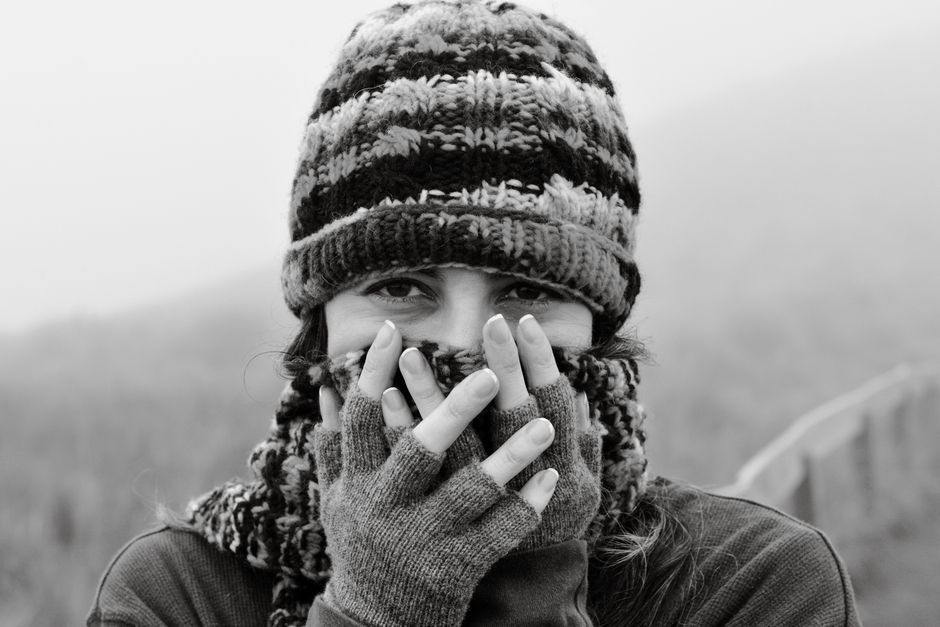
Pay cash, buy used, or choose the layer that matches the forecast.