
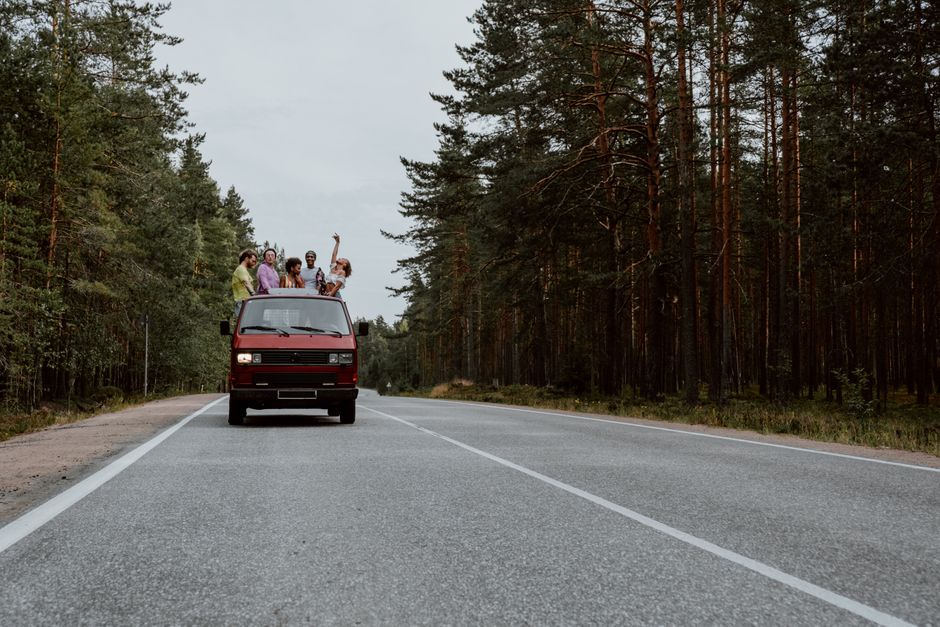
A two-pet room can cost nothing at one national chain and up to $75 in pet fees at another. That difference matters on a 3,000-mile drive. The bigger risk is not the fee. It is reaching a hotel at 10 p.m. and learning that your 90-pound dog, second cat, or anxious puppy cannot stay.
The safest way to find pet-friendly road trip accommodations in 2026 is to plan around your route, read the property-level policy, and confirm the details before payment. A “pets allowed” filter is only the first screen.
Start with the route, not the hotel brand
Choose realistic driving days
Pet-friendly lodging works best when you build the route around your animal’s limits. A healthy adult dog may handle a long day in the car, but eight hours of driving still creates a poor hotel arrival: a rushed walk, a stressed animal, and little time to check the room. For most road trips, plan 250 to 400 driving miles per day, then allow 30 to 45 minutes for breaks, food, bathroom stops, and unexpected traffic.
Mark a lodging zone instead of one exact address. A 20-mile search radius around an interstate exit gives you more choices without forcing a major detour. Look for hotels within five minutes of the highway, but avoid locations directly beside truck stops if your pet reacts to noise. A property near a trail, grassy verge, or public park is more useful than one with a fashionable lobby.
Map the overnight search
Choose your overnight towns before opening a booking site. Search each town with the phrases “pet-friendly hotel,” “dog-friendly motel,” and “pet-friendly rooms near [highway number].” BringFido is useful for finding hotels, vacation rentals, campgrounds, restaurants, and dog parks along the route. Its directory lists more than 500,000 places to stay, play, and eat with a dog, and its booking guarantee displays the quoted pet fee before reservation.
Use the directory to create a shortlist, then check the hotel’s own policy page and call the property. This two-source method catches outdated listings, local weight limits, and room restrictions. The best route plan has one confirmed hotel and one backup in every major overnight zone.
Read the pet policy like a contract

What does “pet-friendly” actually mean?
It means very little by itself. A hotel may accept dogs but reject cats. It may allow two pets but limit their combined weight to 150 pounds. It may accept pets only in ground-floor rooms, require a carrier in hallways, or ban animals from leaving the room unattended. These rules can apply even when the booking page shows a pet icon.
Find five details before you reserve: accepted animal types, maximum number, weight or breed restrictions, total fee, and the rule for leaving the pet alone. Also check the designated-room requirement. Some hotels have a small number of pet rooms, and a standard room reservation does not always convert automatically into a pet room.
Which fees should you expect?
Separate the nightly room rate from pet charges, deposits, cleaning fees, and damage holds. A $104 room with a $25 nightly pet fee can cost more than a $119 room with no pet fee. Ask if the fee applies per pet or per room, if it has a stay maximum, and if a refundable deposit is placed on your card.
Save a screenshot or email confirmation showing the policy and fee. If the front desk gives you a different answer, you have a record of what the booking channel displayed. That will not guarantee a refund, but it makes the dispute clear and quick.
Which hotel chains work best on a USA road trip?
National chains are useful because they offer familiar booking systems and locations near major highways. Their policies still vary by property, so treat the brand rule as a starting point rather than a promise.
| Brand | Published baseline | Best use | Main catch |
|---|---|---|---|
| Motel 6 | Well-behaved pets stay free at Motel 6; up to two pets per room, with a combined weight limit of 150 pounds | Low-cost overnight stops | Studio 6 locations may charge $10 per day, capped at $100 per stay |
| Red Roof Inn and Red Roof PLUS+ | First dog or cat stays free; up to two pets, each up to 80 pounds | Budget trips with one pet | Second pets cost $15 per night, and some collections have different rules |
| La Quinta by Wyndham | Most locations accept up to two dogs or cats; optional fee listed at $25 per night, capped at $75 per room per stay | Travelers who want breakfast and broad coverage | Some hotels set weight limits or do not accept pets |
| Kimpton Hotels | No size or weight limit and no extra pet charge under the brand policy | City stays and large dogs | Higher room rates and fewer highway-adjacent locations |
The clear budget winner
For one pet and a simple overnight stop, Red Roof Inn is the strongest value when its room rate is competitive. The first pet is free, and the published standard allows a dog or cat up to 80 pounds. Motel 6 wins for travelers with two larger pets because its policy allows two pets with a 150-pound combined limit and no pet fee at Motel 6 locations.
The clear comfort winner
For a larger dog or a trip with less price pressure, Kimpton Hotels has the most generous published policy: no size, weight, or breed limit and no extra charge. Kimpton is not a practical answer for every interstate night, but it is the best choice for a destination stay in a city such as Savannah, Chicago, or Denver. La Quinta sits between the two: more comfortable than a basic motel in many markets, but less predictable on fees and weight restrictions. Check the individual property before relying on it.
Build each overnight stop around your pet’s routine

Accommodation quality cannot repair a bad travel rhythm. Use this simple system for every day of the drive:
- Schedule the first break after two hours. Choose a rest area or park with a safe walking surface. Do not wait for your pet to become restless, vocal, or nauseated.
- Stop every two to three hours after that. A 15-minute walk is better than several rushed bathroom trips .
- Finish driving before dark when possible. Finding grass, checking the room, and locating food becomes harder after midnight. A 6:30 p.m. arrival gives you time to solve a bad room assignment.
- Choose a ground-floor room when offered. It cuts elevator waits and makes late-night walks easier. Ask for a room away from the pool, ice machine, stairwell, and busy entrance.
- Inspect the room before unpacking. Look for unsecured doors, exposed medication, loose wires, cleaning chemicals, and gaps under furniture. Take a quick photo of existing damage.
- Keep the same feeding schedule. Sudden meal changes and long car days can create stomach problems that look like a hotel issue but start on the road.
The best overnight is not the most attractive one. It is the one that lets your pet walk safely, settle quickly, and sleep without hallway noise.
Call the property before paying
My strongest recommendation is to call the hotel directly after finding the room online. Five minutes can prevent a midnight cancellation, a surprise deposit, or a long detour to another town.
Ask these exact questions
“I am traveling with one dog weighing 62 pounds. Is this specific room type pet-friendly? What is the total pet fee for two nights? Can the dog stay alone in the room for 30 minutes? Is there a refundable deposit? Is the room near an exterior door and away from the pool?”
Use exact numbers. “I have a dog” leaves too much room for assumption. Give the animal’s species, weight, number, and behavior. Mention a crate if you use one. Ask the employee to add a pet note to the reservation and repeat the confirmed fee before ending the call.
When should you skip the reservation?
Skip the hotel if the staff cannot explain the policy, says “probably,” or tells you to resolve the pet question at check-in. Also skip a property that requires an unattended pet but offers no quiet room option for a dog with separation anxiety. A cheap room becomes expensive when you pay a cancellation penalty, lose an hour of driving, or receive a noise complaint.
For a confirmed answer, use the [Motel 6 reservation policy] (https://www.motel6.com/pages/policies/reservation-policies/), the [Red Roof pet policy] (https://www.redroof.com/why-red-roof/pet-policy), or the [La Quinta pet policy] (https://www.wyndhamhotels.com/laquinta/about-us/pet-friendly) as a reference, then verify the local hotel’s rules.
Know when a hotel is the wrong choice
Hotels versus vacation rentals
Hotels win for one-night stops. You get late check-in, predictable highway access, and less time spent cleaning or returning keys. They also create more risks: shared hallways, elevator rides, noise from neighboring rooms, and strict limits on leaving pets alone.
A vacation rental is better for three or more nights, multiple animals, or a pet that needs a yard and a kitchen. The tradeoff is a longer list of house rules. Some rentals charge separate pet fees, prohibit pets on furniture, require a fenced-yard surcharge, or keep the animal policy hidden until the final booking screen. Never assume a fenced yard means secure fencing; ask about gate gaps and height.
Hotels versus campgrounds
Camping can reduce lodging costs and give an active dog more space, but it demands a backup plan for heat, storms, wildfire smoke, and campground closures. Never leave a pet alone in a tent or parked vehicle. A campground is the wrong choice for an animal that panics at wildlife, generators, or nighttime campground noise.
For most cross-country drives, use hotels for transit nights and rentals or campgrounds for planned stays. That split gives you speed on travel days without forcing every night into the same type of accommodation. The right choice is the one that matches the animal’s needs, not the lowest headline price.
Use this final booking checklist
Before you reserve
- Confirm the hotel accepts your animal type.
- Enter the correct number of pets and travelers.
- Check the maximum weight, combined weight, and breed rules.
- Calculate the full price with pet fees, taxes, deposits, and parking.
- Confirm the pet-room assignment with the property.
- Read the cancellation deadline and find a backup hotel.
At check-in
Declare the pet, pay the stated fee, and ask for the nearest outdoor exit. Keep the animal leashed or in a carrier outside the room. Bring your own bowls, blanket, waste bags, medication, and a familiar sleeping item. Hotel staff may not provide pet care, even when the property welcomes animals.
For a budget road trip, choose Red Roof Inn for one pet, Motel 6 for two pets or the lowest fee, La Quinta when breakfast and convenient locations matter, and Kimpton for a destination stay with a large dog. The single most important takeaway is this: confirm the exact property-level pet policy and total fee by phone before you commit to the room.