
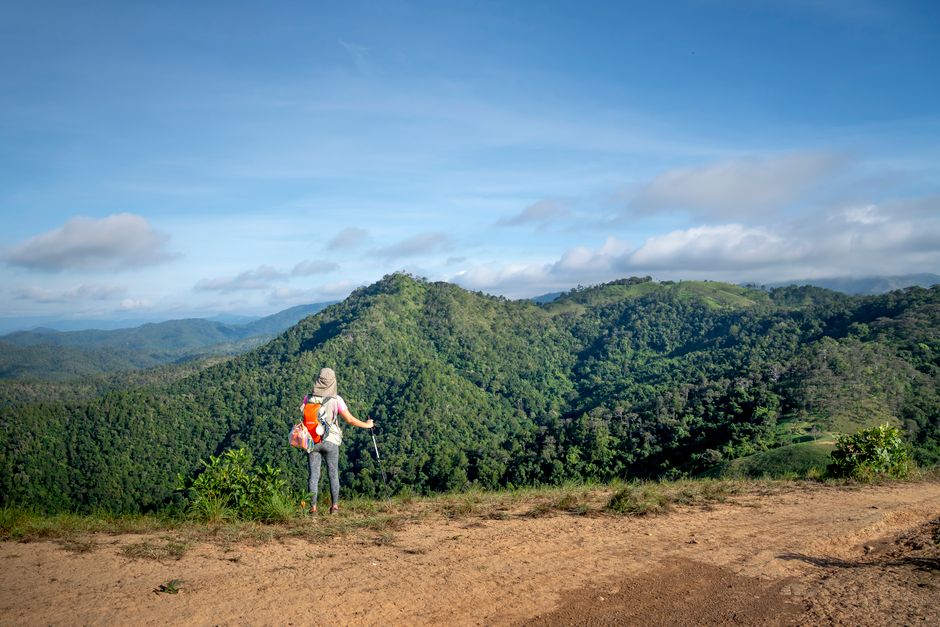
Yes, Southeast Asia is still affordable in 2026, but the old idea that you can travel everywhere on $20 a day is no longer a safe plan. A realistic backpacker budget is $30 to $55 per day for accommodation, food, local transport, and simple activities. Your route matters more than your packing list.
Vietnam, Laos, and Cambodia offer the best value. Thailand remains affordable if you slow down. Bali, Singapore, and heavily visited islands can destroy a tight budget within a few days.
What Does Southeast Asia Cost Per Day in 2026?
The realistic budget range by country
These figures assume a dorm bed or basic guesthouse, local meals, public transport, one paid activity every few days, and a small allowance for laundry or mobile data. They exclude international flights, travel insurance, visas, and major party nights.
| Country | Budget per day | Best value for |
|---|---|---|
| Vietnam | $25–$40 | Food, trains, cities |
| Laos | $25–$38 | Slow travel, rivers, nature |
| Cambodia | $30–$45 | Guesthouses, temples, buses |
| Thailand | $35–$55 | Infrastructure and variety |
| Malaysia | $40–$60 | Transport and urban comfort |
| Indonesia | $35–$60 | Java and Lombok, less so Bali |
| Philippines | $40–$65 | Beaches, if flights are controlled |
| Singapore | $80–$120 | Short city visits only |
Where the budget jumps
Island ferries, domestic flights, diving, and private rooms create the biggest increases. A $40 day in Vietnam can become a $75 day in Thailand’s islands without any luxury spending. My ranges match recent 2026 estimates from Journey Finder and Hostelworld, but prices still change by season and exchange rate.
Why the Old $30-a-Day Rule Often Fails
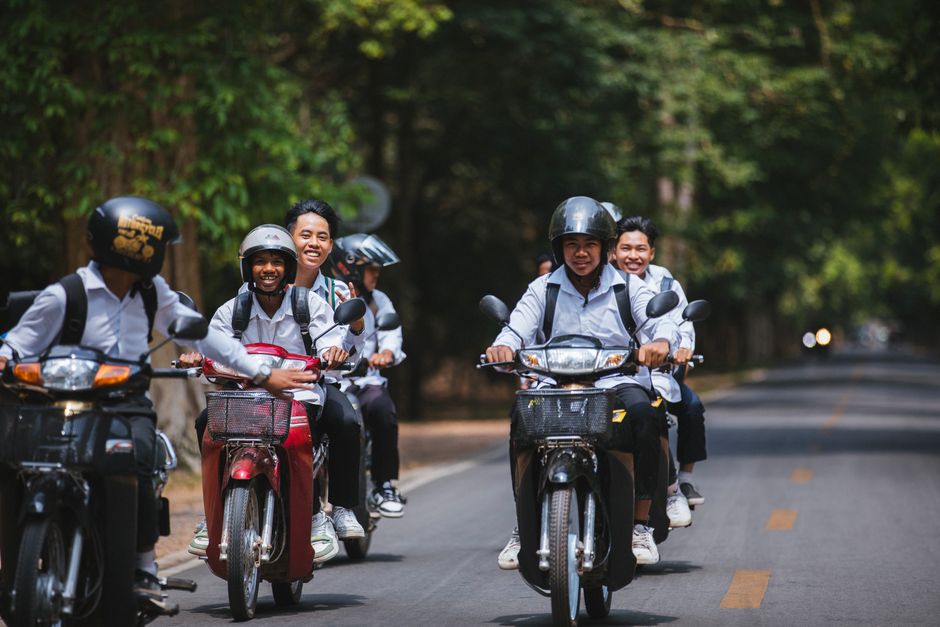
The problem is not that Southeast Asia suddenly became expensive. The problem is that many budget guides count only the visible daily costs. They show a cheap room, cheap meals, and a cheap bus. They forget the cost of moving between countries, getting to the airport, paying entry fees, and losing a day to a long transfer.
Slow travel is the real money-saving trick
Accommodation is usually the easiest cost to control. Staying four nights instead of two spreads the arrival taxi, laundry, and booking fees across more days. It also gives you time to use local food markets and public transport instead of paying for convenience. A traveler spending $12 on a dorm bed and $10 on food may still spend $20 on transport every other day. That makes the daily average look cheap until the end of the month.
For a first route, spend at least five nights in major stops and three nights in smaller towns. Vietnam rewards this approach because the north-to-south train network lets you travel steadily. Laos rewards it even more because rushing between Luang Prabang, Vang Vieng, and southern towns can mean expensive private transfers.
Tourist hotspots change the math
Bangkok, Chiang Mai, and Hanoi can work on a careful budget. Koh Phi Phi, Phuket, Boracay, and central Bali need more money. A dorm may cost $15 to $25 in a popular island destination, while the same standard costs $6 to $12 in a less famous inland town. Alcohol, Western cafés, boat trips, and beach transfers add up quickly.
Build your route around value, not a checklist. Two weeks moving through Vietnam and Laos can cost less than one week split between Phuket and Singapore. That is the key distinction between affordable travel and cheap-looking travel.
How to Build a Budget That Survives the Trip
The best method is simple: price the fixed costs first, then decide how many comfortable days your remaining cash can buy.
Use this five-step planning method
- Choose two to four countries. Every border crossing adds transport, time, and possible entry costs.
- Set a daily living budget. Use $35 for Vietnam or Laos, $45 for Thailand, and $55 for Malaysia or the Philippines.
- Add intercity transport separately. Reserve $150 to $300 for a month-long overland route and more if you plan to fly between islands.
- Price activities before departure. Angkor Wat, diving, cooking classes, trekking, and national parks can each consume several days of spending.
- Keep a 15 percent emergency buffer. Do not treat this money as available for an extra beach weekend.
Track weekly instead of obsessing over every meal
A daily budget can make travelers refuse a $3 museum visit after spending $2 too much on lunch. A weekly target works better. At $40 per day, you have $280 for seven days. Spend $65 on a train and a temple ticket, then eat simply and stay put for the next two days.
The common failure mode is underfunding transport while overplanning destinations. Cut one country before cutting medical cover or your emergency reserve.
Which Travel Tools Are Worth Paying For?
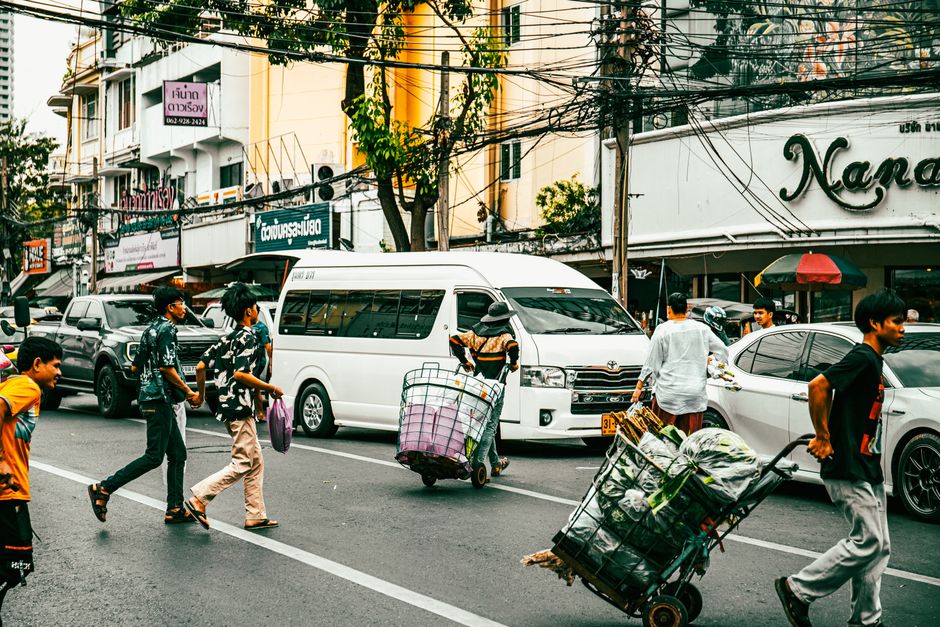
My clear recommendation is to pay for convenience only when it prevents a larger cost. A few travel services can help, but none will make an expensive route cheap.
Should you buy a regional eSIM?
Yes, if you need maps, translation, and booking access from the airport. Airalo regional eSIM plans often start near $5 for a small data allowance, though prices vary by country and package. Buy enough data for navigation and messaging, then compare a local SIM after you arrive. For a month-long trip, a local Vietnamese, Thai, or Malaysian SIM usually offers better value than repeatedly topping up a travel eSIM.
Are Wise or Revolut useful for backpacking?
Either can be useful as a backup payment method, but do not rely on one card. Wise is strong for holding multiple currencies and showing its conversion fee before a transfer. Revolut can work well for day-to-day spending, although free ATM limits and exchange rules vary by market. Carry two cards from different providers, keep one separate from your wallet, and withdraw larger amounts less often to reduce fixed ATM fees.
Hostelworld and 12Go Asia can save planning time, but convenience has a cost. Check the property or transport operator directly before booking. The best tool is the one that reduces a real risk, not the one that adds another app to your phone.
Which Route Gives the Best Value in 2026?
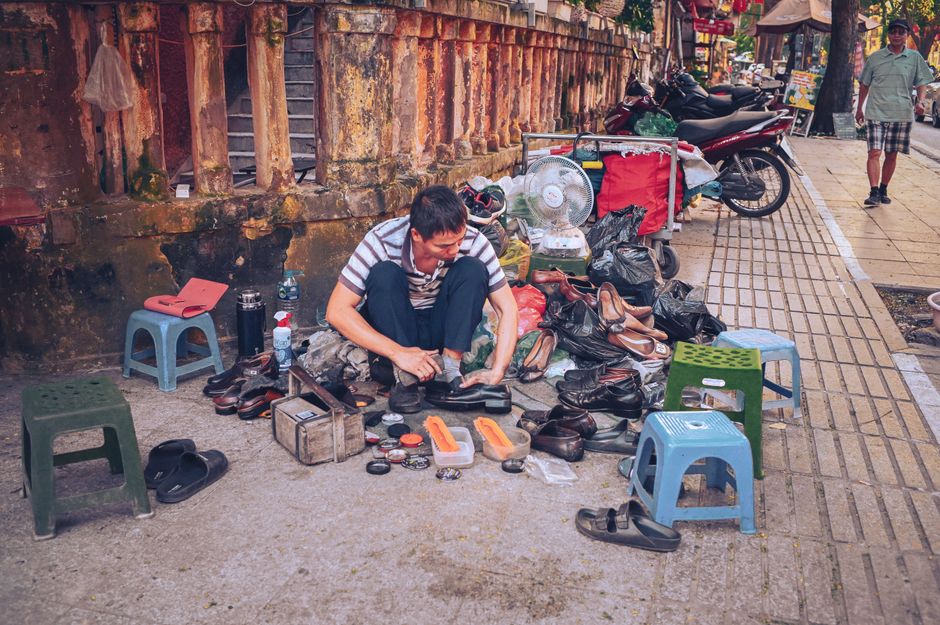
For the best balance of price, variety, and simple transport, choose Vietnam, Laos, Cambodia, and northern Thailand. This route gives you strong food value, a mix of cities and nature, and enough overland travel to avoid constant flights.
A practical 30-day route
- Vietnam, 12 days: Hanoi, Ninh Binh, Hue, Hoi An, and Ho Chi Minh City. Budget about $420 to $540, excluding international flights.
- Laos, 7 days: Luang Prabang and Vang Vieng. Budget about $175 to $265.
- Cambodia, 6 days: Siem Reap and Phnom Penh. Budget about $180 to $270, including a paid Angkor visit.
- Thailand, 5 days: Chiang Mai or Bangkok. Budget about $175 to $275.
When to change the route
Skip Laos if you have fewer than three weeks and dislike long transfers. Skip the Thai islands if your total budget is below $1,300 before international flights. Add Malaysia when you want cleaner transport and easier urban travel, but expect to spend more. Add Indonesia only if Java or Lombok interests you; building a trip around Bali’s most popular areas is rarely the cheapest choice.
My final verdict: plan on $1,400 to $1,800 for 30 days, excluding your flight into Southeast Asia. That budget allows dorms, local food, overland transport, several paid sights, and a modest safety margin. Vietnam should be your value anchor, Thailand your comfort stop, and the islands an optional upgrade rather than the foundation of the trip.