
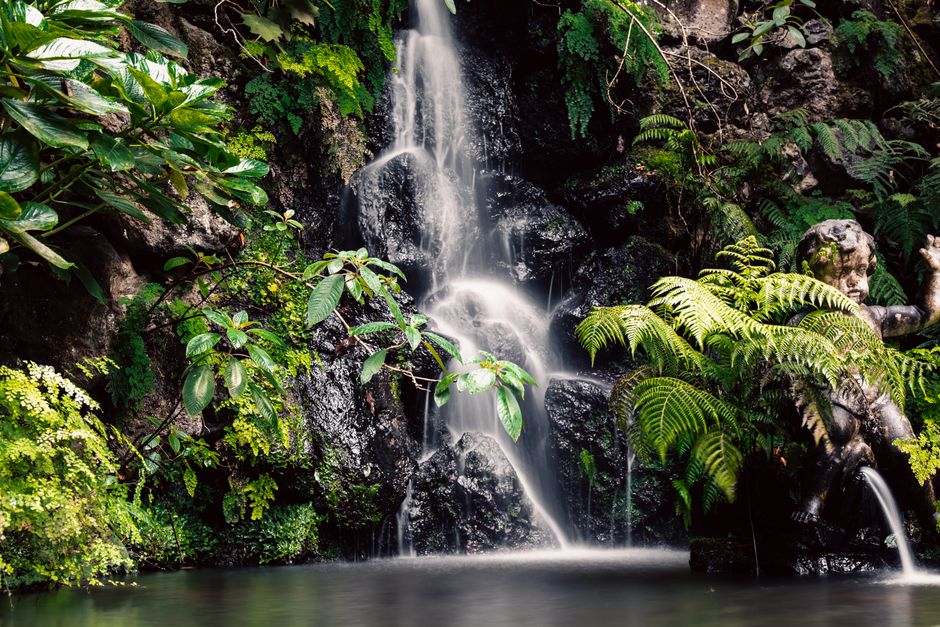
You arrive in Madeira expecting a gentle January escape. Instead, your hotel window shows blue sky over Funchal while a dark cloud sits on the mountain road you planned to hike. That contrast is normal here. Madeira in winter is warm enough for walking, but too changeable for careless plans.
The best approach is simple: stay flexible, start early, choose lower and sunnier routes when the high peaks disappear, and treat every levada as a mountain walk rather than a flat stroll. January gives you mild temperatures, green hills, fewer visitors, and enough rain to keep the waterfalls flowing.
What Madeira winter weather is like above Funchal
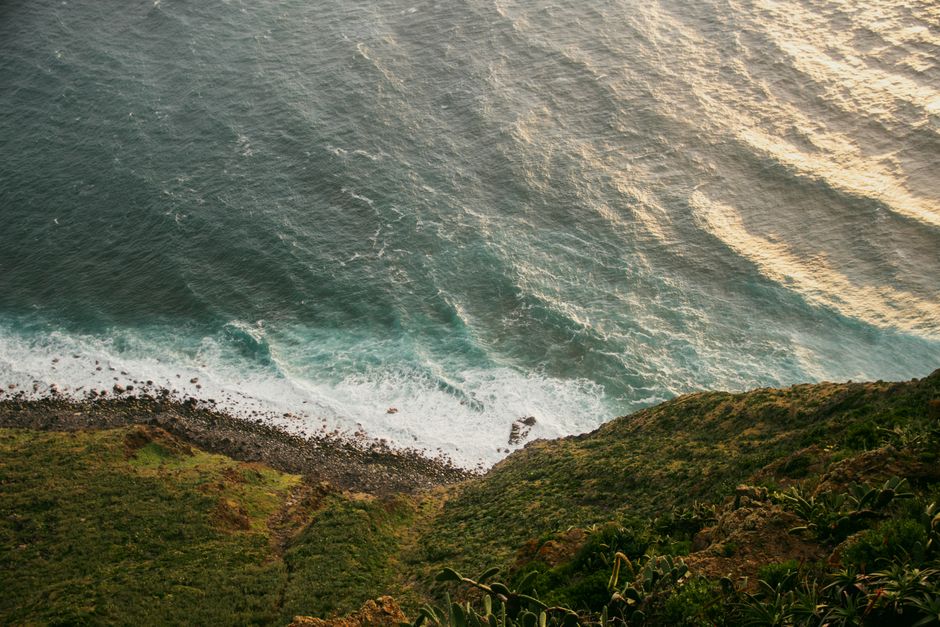
Use elevation, not just the town forecast
Weather apps often show Funchal when your route sits far above the city. That creates the classic Madeira mistake: warm clothes for town, thin clothes for a wet mountain path. Check the forecast for the actual trailhead and compare the predicted cloud base with the route elevation.
| Walking zone | Typical January feel | Main winter risk | Best response |
|---|---|---|---|
| Funchal and south coast | 18–20°C by day, mild evenings | Short heavy showers | Plan coastal or lower levadas |
| North coast | Cooler, wetter, often cloudy | Slippery paths and poor visibility | Carry waterproofs and keep a south-coast backup |
| 800–1,200 metres | 8–15°C, colder in wind | Cloud, wind, and saturated ground | Start early and turn back if visibility collapses |
| High peaks | Cold, exposed, fast-changing | Wind, fog, ice, and closures | Use only with a clear forecast and confirmed access |
When should you cancel a route?
Cancel a high or narrow route when the forecast shows strong wind, persistent rain, thunder, or a cloud base below the path. A levada may look easy on a map while a wet wall, dark tunnel, or missing railing changes the risk completely. Madeira’s official trail notices matter more than a social media photo from last summer.
Rain does not always mean cancellation. Light rain on a broad lower route can be manageable. Heavy rain near a waterfall, stream crossing, or steep ravine is a different situation. Choose the safer route early rather than waiting until the path forces the decision.
How to choose a winter levada walk
Match the route to exposure and escape options
Start with the route’s height, length, surface, and exit points. A four-hour walk with several access roads is easier to manage in January than a remote six-hour route with one narrow return path. Read the route description for tunnels, ladders, unprotected edges, stream crossings, and steep descents.
- Choose a lower route after a wet night. Coastal paths and lower levadas usually drain faster than high mountain trails.
- Pick a shorter route for your first day. Use the first walk to learn how quickly clouds and showers move across the island.
- Reserve the exposed peaks for stable weather. Pico do Arieiro and other high routes deserve clear visibility and calm wind.
- Carry a light even if the route looks easy. Levada paths can become slick, dark, and cold inside tunnels.
- Check access on the morning of the walk. Storm damage, maintenance, and rockfall can change the usable route.
Build a route menu, not one fixed itinerary
Keep three choices for each day: a high route, a moderate forest levada, and a lower coastal walk. The Levada das 25 Fontes is a strong choice in good conditions, but its popularity and wet steps make an early start sensible. Vereda dos Balcões offers a shorter viewpoint walk when you want scenery without committing to a full mountain day. Longer routes such as Caldeirão Verde need more daylight, careful weather checks, and enough energy for the return.
For January, the best route is the one with a clear forecast, usable access, and a realistic turnaround time. Distance alone tells you very little.
The January verdict: go, but plan around the clouds
The clear answer
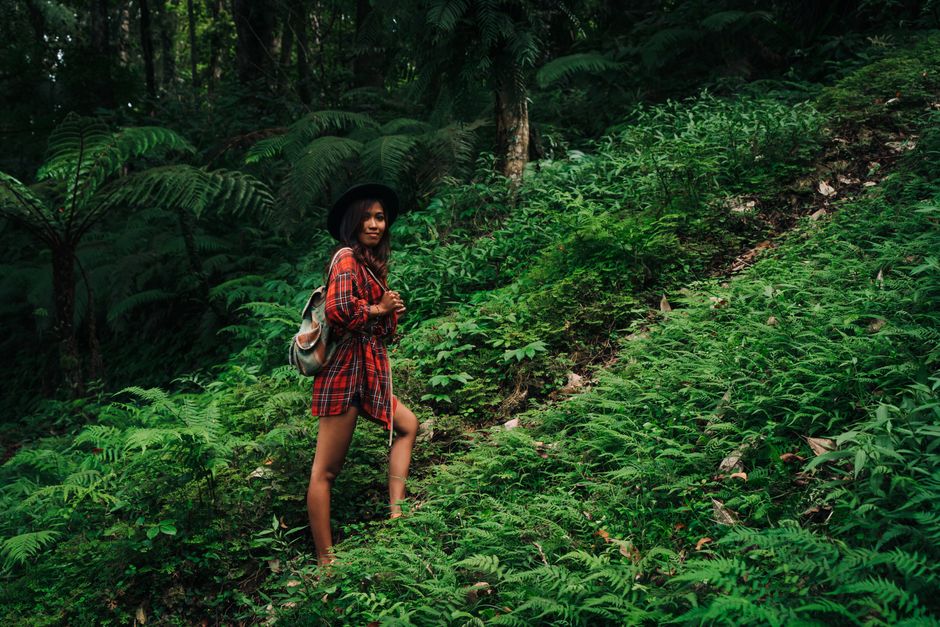
Madeira is one of Europe’s best winter walking destinations for travellers who want mild days, dramatic scenery, and green landscapes without summer heat. January is not the right month for a rigid peak-bagging schedule, late starts, or shoes that fail on wet stone. It is the right month for a flexible walking holiday built around the island’s microclimates. Stay on the south coast when you want the best chance of dry weather, move uphill only after checking the mountain forecast, and keep one lower route ready for every ambitious plan. The biggest mistake is treating Madeira as one weather zone; Funchal, the north coast, and the high interior can feel like three different islands within the same afternoon. My pick is a January trip with four or five planned walking days, two weather-safe alternatives, and no pressure to complete a route just because it appears in a guidebook. That setup gives you the island’s real advantage: excellent walks even when the original plan disappears into cloud.
What to carry on wet levada walks
The small kit that earns its space
Winter Madeira does not require an expedition pack, but it punishes cheap footwear and weak rain protection. Wear shoes with a firm sole and reliable grip. A waterproof hiking shoe is useful on shorter lower routes; a mid-cut boot gives more ankle support when the surface is slick or uneven.
| Item | Specific option | Useful specification | Verdict |
|---|---|---|---|
| Hiking footwear | Salomon X Ultra 4 Mid GTX | Gore-Tex lining, lugged sole, mid-height support | Best for wet, uneven levadas |
| Daypack | Osprey Talon 22 | 22-litre capacity, adjustable back system | Best for a full winter walking day |
| Trekking poles | Black Diamond Trail Back | Telescoping aluminium poles with adjustable length | Best for slippery descents |
| Emergency communicator | Garmin inReach Mini 2 | Two-way satellite messaging, about 100 g | Useful on remote or poorly covered routes |
What not to overpack
Leave the heavy camping load behind for ordinary day walks. Carry a waterproof shell, warm mid-layer, spare socks, headlamp, food, water, phone battery, and a paper or offline map. A compact headlamp matters because tunnels and late returns can turn dark quickly. The Salomon X Ultra 4 Mid GTX is the best footwear choice for most visitors because grip and weather protection matter more than soft trainers on wet stone. The Osprey Talon 22 is the strongest all-round pack choice, while trekking poles give the biggest safety gain on long descents.
Mistakes that ruin Madeira winter hikes
Six errors to remove from your plan
- Trusting the Funchal forecast. Your route may sit 900 metres higher and have completely different wind, rain, and visibility.
- Starting after lunch. January daylight is limited, and a slow wet descent is much harder after sunset.
- Wearing smooth trainers. Polished stone, moss, and mud turn a gentle path into a slip hazard.
- Ignoring official closures. A path can remain visible on maps after rockfall or storm damage makes it unsafe.
- Entering tunnels without a light. Phone torches drain batteries and leave both hands unavailable on uneven ground.
- Continuing because the route is famous. A famous levada is not automatically the right route for that day’s weather.
When not to push on
Turn back when water is rising across the path, railings look damaged, rocks are falling, or visibility removes your route markers. Do not rely on confidence to solve a weather problem. Madeira’s terrain stays steep even when the temperature feels comfortable.
Also skip a remote walk if you have no transport backup and the final bus or taxi option is uncertain. A shorter route near a settled town gives you more control. The goal is to finish with enough energy to enjoy dinner, not to collect a dramatic story about being rescued from a mountain path.
Madeira winter questions answered
Can you swim in Madeira in January?
Yes, but the Atlantic feels cool rather than tropical. Sea temperatures often sit around 18 to 19°C, so most visitors prefer a quick swim, a natural pool, or a hotel with heated water rather than a long session in the ocean.
Is January too rainy for a walking holiday?
No. Rain is a planning problem, not a reason to avoid the island. Showers can be local and brief, while another part of Madeira stays bright. Keep your schedule flexible and move between the south coast, north coast, and interior instead of cancelling every outdoor day.
Which base works best?
Funchal is the easiest base for restaurants, taxis, rental cars, and quick access to sunnier southern routes. São Vicente or Porto Moniz suit travellers who want the wetter north and do not mind longer transfers. For a first January visit, Funchal wins because it gives you the most backup choices when high trails disappear into cloud.
Madeira’s winter appeal will keep growing as more walkers look for mild European escapes. The island rewards the people who read the weather, respect the terrain, and let the day’s route change.