
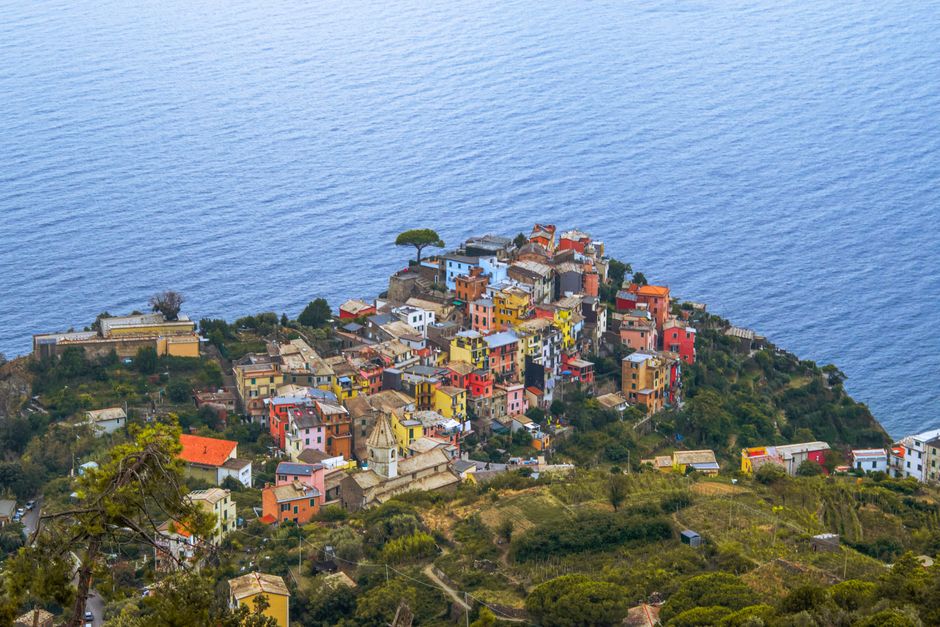
The common mistake is to treat spring as one quiet, predictable season in Cinque Terre. It is not. An early-March visit can bring cool mornings, muddy steps, and short daylight, while late May can feel warm, busy, and exposed on the coastal paths. The best hiking window is usually mid-April to early June, but the right week matters less than your route, start time, and backup plan. Spring gives you green terraces, clearer air than summer, and enough daylight for a serious walk, yet rain can close a trail with little warning. For a first visit, plan one major hike per day, use the train between villages, and check the Park’s trail-status map before leaving your accommodation.
Which Cinque Terre trails are best in spring?
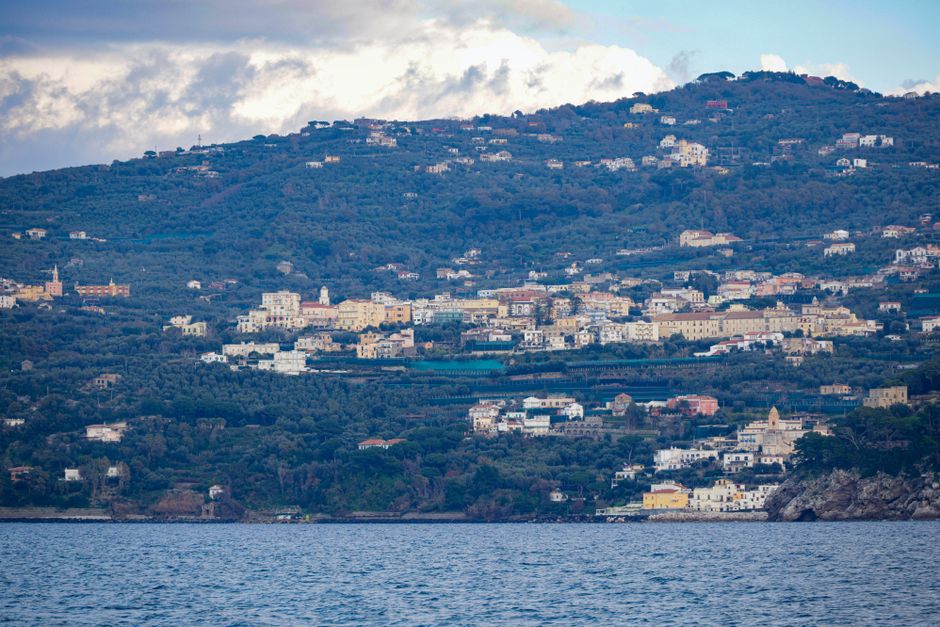
The best spring route is not a single walk connecting all five villages. Several famous sections are steep, exposed, or subject to closures, and the direct path between Manarola and Corniglia may not be available. Build your plan around the open sections shown on the Park’s trail-status map, then use trains to fill the gaps.
Spring trail comparison
| Trail or route | Distance and time | Spring verdict | Key point |
|---|---|---|---|
| Monterosso–Vernazza | 3.6 km; about 2 hours | Best first hike | Steep, scenic, and exposed; the Park may impose one-way rules on busy dates |
| Vernazza–Corniglia | About 3.45 km; 1.5–1.75 hours | Best second coastal hike | More steps and farmland; check the status after rain |
| Manarola–Corniglia via Volastra | About 5.5 km; about 2.5 hours | Best for strong hikers | Climbs through terraces and inland paths; listed as an expert-level route |
| Via dell’Amore | About 1.1 km; 30 minutes | Best easy viewpoint walk | One-way from Riomaggiore to Manarola, with a timed reservation |
| Manarola–Corniglia direct SVA2 | About 2.18 km; 1 hour 15 minutes | Do not assume it is open | Closures caused by landslides can change the plan |
How to choose your route
For most visitors, Monterosso–Vernazza is the clear winner. It delivers the classic coastal views without demanding a full-day traverse, and both ends have train stations, food, and places to stop. Add Vernazza–Corniglia on a second day if the weather is dry and your legs feel good. The Manarola–Volastra–Corniglia route is more rewarding for experienced hikers who want vineyards and quiet terraces rather than a simple village-to-village stroll.
In 2026, the Via dell’Amore is scheduled to open from March 29 through October 24 from 9 a.m. to 9 p.m., with the last admission at 8:30 p.m.; visitors need a reservation and access is controlled. The Park also announced one-way movement from Monterosso toward Vernazza until 2 p.m. on April 4–6, May 1–2, May 14, and May 30–June 1. Treat those dates as planning constraints, not minor details. If your preferred trail is closed, take the train to the next village and walk a shorter open section.
How should you plan a spring hiking day?
A good Cinque Terre hiking day has one main objective, not five rushed check-ins. The villages are close on a map, but the slopes, stairways, train platforms, and queues add time. Use this sequence for a first full day:
- Start in Monterosso before 9 a.m. Walk toward Vernazza while the air is cool and the exposed slopes are comfortable. The route takes roughly two hours at a steady pace, but allow three hours if you stop for photographs or need frequent breaks.
- Arrive in Vernazza before lunch. Have water and food here rather than waiting for the next trail. The small harbor and main square are compact, so a 45-minute stop is enough for a look, a snack, and a check of the weather.
- Make a firm choice at midday. If the trail toward Corniglia is open and your legs are fresh, continue. If rain has started, the stone feels slick, or clouds are building over the ridges, take the train instead. A train connection is a smart safety decision, not a failed hiking day.
- Use Corniglia as a time check. Corniglia sits above the station, so reaching the village requires a long stair climb or the local shuttle. If you arrive late, skip another long trail and explore the village, terraces, and viewpoints on foot.
- Finish in Manarola or Riomaggiore. These villages work well for a late afternoon stroll because their lanes are short and photogenic. Keep the final train in mind, especially if you are returning to La Spezia or Levanto and the timetable has seasonal changes.
Buy or validate the correct rail ticket before boarding, and allow extra time on weekends. The 2026 5 Terre Express runs from March 14 to November 1, with additional regional services between Levanto, the five villages, and La Spezia. Check the current Trenitalia information for the date of travel, since fares and service patterns can change. The best plan is flexible: one coastal hike, one village meal, and one train fallback.
What can go wrong on a spring hike?
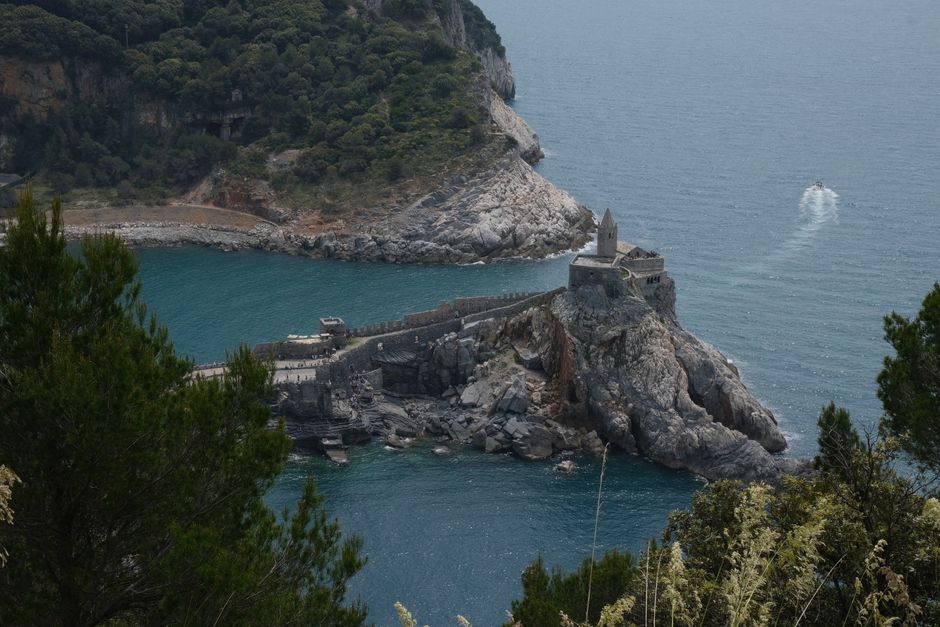
Spring looks gentle from the harbor, but the trails punish poor timing. The biggest risks are not technical climbing problems. They are wet stone, heat on treeless slopes, shoes with weak grip, and an itinerary that leaves no room for a closure. The Park advises visitors to hike only in suitable weather and footwear, and that advice matters most after rain.
Rain turns easy steps into a different route
Do not start a long coastal trail during steady rain. The paths include uneven stone, narrow ledges, polished steps, and sections where runoff crosses the walking line. Even after the sky clears, shaded stairs can stay slippery for hours. Check the status immediately before departure, then check again at the station or trail entrance. A closure is often linked to rockfall or unstable ground, not simple inconvenience. If rain arrives after you start, turn around at the next safe junction instead of pushing toward the next village.
Heat arrives earlier than expected
Monterosso–Vernazza and Vernazza–Corniglia have long exposed stretches with limited shade. In late May, begin early, carry at least 1.5 liters of water per person, and avoid treating a sea breeze as proof that the sun is weak. A hat, sunscreen, and a light layer work better than a heavy jacket. The safest rhythm is a slow climb, a short shaded break, and steady movement on the ridge. Save a swimming stop for after the hike, not before it.
Small mistakes create large delays
- Do not wear smooth-soled city sneakers on wet stone.
- Do not assume the shortest line on a map is the easiest route; the direct path may be closed or much steeper than the rail connection.
- Do not leave the last train as your only return option after an isolated inland trail.
- Do not block narrow sections for photographs. Let faster walkers pass and keep one hand free on stairways.
- Do not plan all five villages as five equal stops. A village visit can take 30 minutes, while a coastal hike can take two hours before breaks.
The best spring hikers are not the people who walk fastest. They are the people who notice changing weather, accept a shorter route, and keep enough time to return safely.
Which Cinque Terre villages deserve the most time?
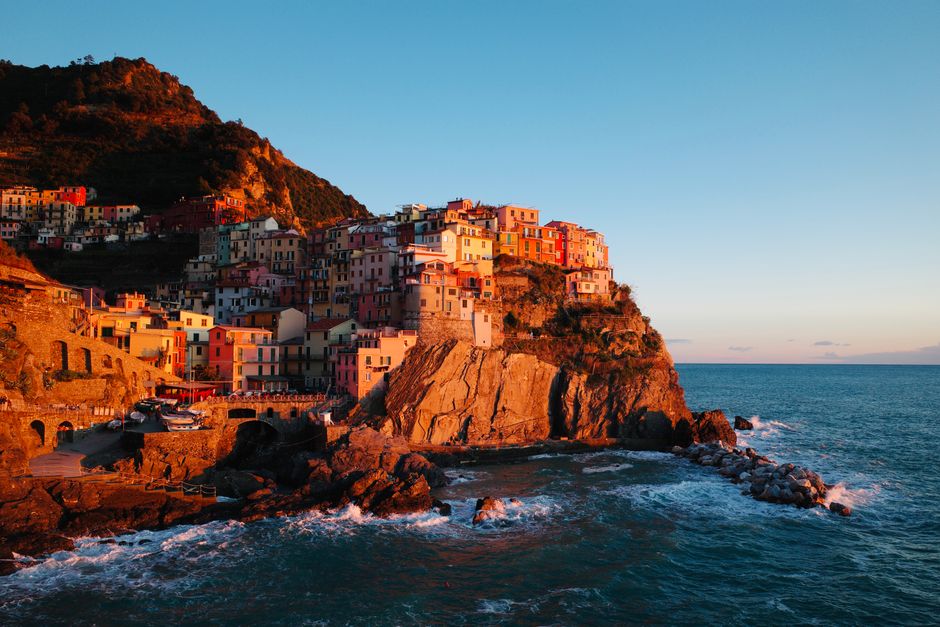
Give Vernazza the most time, use Monterosso as your hiking base, and save Manarola for late afternoon. That combination gives you the strongest scenery, the easiest logistics, and enough contrast between the villages. Trying to rank all five as if one must be the winner misses the point: each works best at a different time of day.
Which village is best after a first hike?
Vernazza is the best reward after walking from Monterosso. The trail drops into a compact harbor framed by steep buildings, so the arrival feels dramatic. Stop for lunch or a drink, but do not judge the village only from the waterfront. Walk a little uphill for broader views back toward the harbor, then decide if your legs can handle Corniglia.
Where should you stay or start?
Monterosso is the practical base for first-time hikers because it has the largest beach area, more flat walking, and direct access to the trail toward Vernazza. La Spezia is better for travelers who want more accommodation choice and easy rail access, but it adds a daily train journey. Levanto works well for quieter evenings and gives you a useful northern starting point for the park.
Which villages suit a short visit?
Riomaggiore is the easiest village for a brief early-morning or evening visit. Manarola has the strongest classic viewpoint, especially when the light falls across the harbor, but it can feel crowded at sunset. Corniglia is the quietest choice and the least convenient because it sits above the station. It rewards visitors who enjoy lanes, terraces, and slower views rather than a quick waterfront stop.
For a two-day spring trip, hike Monterosso to Vernazza on day one, then explore Vernazza and Manarola by train and short walks. On day two, choose Vernazza to Corniglia if the trail is open and dry; otherwise, use the train and spend more time in Corniglia, Manarola, and Riomaggiore. The clearest recommendation is to visit in late April or May, start the Monterosso–Vernazza trail before 9 a.m., check the Park status that morning, and keep the train as your planned backup.