
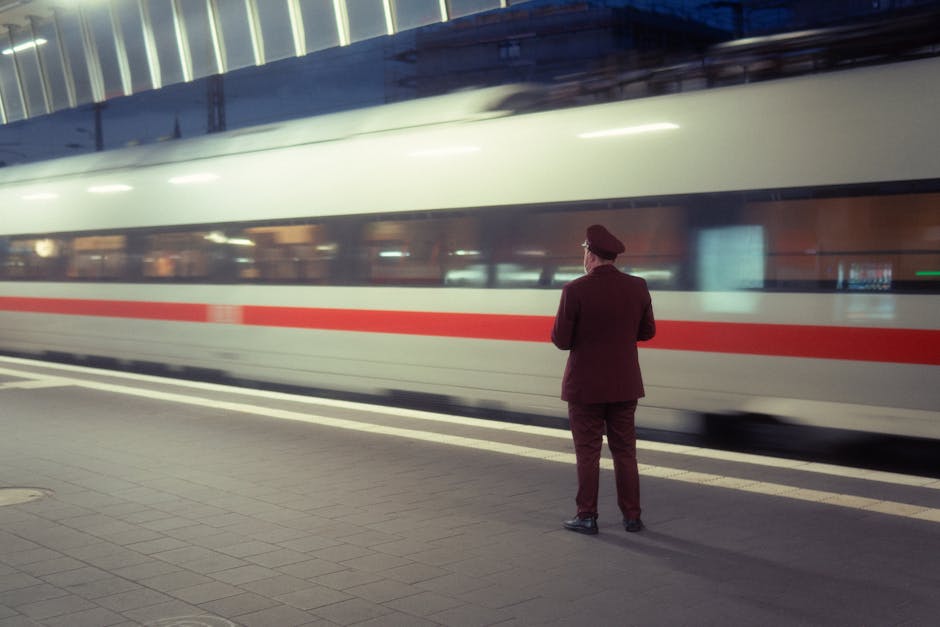
Forty-three percent of all short-haul European flights could be replaced by trains under six hours — that figure comes from Transport & Environment’s analysis, and it’s not an environmental argument. It’s a math problem. On routes under 600 kilometers, trains regularly beat flying on total door-to-door time once you price in check-in, security, and the transit from a peripheral airport into the city center.
The real question isn’t whether to take trains. It’s which routes are genuinely worth it, and how to book them without paying twice what you should.
Which European Train Routes Are Actually Worth Taking
Three factors determine whether a train beats a flight on any corridor: journey time, station location, and available advance fares. When all three align, rail wins by a wide margin. When one falls short, the math tightens.
The routes below appear most often in 10–14 day Western and Central Europe itineraries. Advance fares assume booking 45–60 days out, second class.
| Route | Operator / Train | Journey Time | Advance Fare | Verdict vs. Flight |
|---|---|---|---|---|
| London → Paris | Eurostar | 2h 16m | €60–€90 | Train wins clearly |
| Paris → Amsterdam | Eurostar (ex-Thalys) | 3h 22m | €35–€70 | Train wins |
| Paris → Barcelona | TGV / Renfe AVE | 6h 25m | €45–€120 | Train wins if booked 60+ days out |
| Frankfurt → Munich | Deutsche Bahn ICE | 3h 15m | €30–€75 | Train wins |
| Rome → Florence | Trenitalia Frecciarossa | 1h 30m | €20–€45 | Train wins strongly |
| Vienna → Prague | ÖBB Railjet | 4h 5m | €25–€60 | Train wins |
| Zurich → Milan | SBB / Trenitalia Eurocity | 3h 30m | €30–€75 | Train wins |
| Madrid → Lisbon | Lusitania Night Train | 9h 30m (overnight) | €40–€100 | Only for the overnight experience |
Routes under four hours almost always beat flying on total travel time. Routes over six hours need either a night train option or a deliberate reason to skip the flight.
The Route That Consistently Gets Underestimated
Paris to Amsterdam on the Eurostar is undersold. Three hours 22 minutes, arriving at Amsterdam Centraal — the literal center of the city — while Schiphol airport sits 17 minutes by rail from the city plus another transfer to your accommodation. Summer 2026 fares start around €35 booked five weeks out. Budget airlines rarely come out ahead once luggage fees and airport-to-city transit are priced in.
Italy’s Frecciarossa Network: Best-Value High-Speed Rail in Europe
Trenitalia’s Frecciarossa trains connect Rome, Florence, Milan, and Naples with departures every 30–60 minutes. Rome to Milan runs 2 hours 55 minutes from €29. Florence to Rome is 1h30m, often €15–20 with a week’s notice. Private competitor Italo operates the same corridors and runs 10–20% cheaper when Trenitalia’s low-fare seats are sold out. Check both every time you book Italian high-speed rail — it takes 90 seconds and frequently saves €15–€30 per leg.
Eurail Pass vs. Point-to-Point: What the Math Actually Shows

The Eurail Global Pass earns significant affiliate commissions for travel publishers. That’s not a reason to dismiss it — but it is a reason to run the numbers yourself before acting on any third-party recommendation.
A 2026 Eurail Global Pass covering 15 travel days within 2 months costs approximately $730–$860 for adults in second class. For the pass to break even, your point-to-point fares would need to exceed that total. That’s harder to achieve than it sounds, because the pass doesn’t cover everything.
High-speed trains in France, Spain, and Italy all require mandatory seat reservations on top of the pass. TGV reservations: €8–€20 per leg. Spain’s AVE: €10–€30. Italy’s Frecciarossa: €6–€15. The Eurostar between London and Paris doesn’t accept a standard Eurail pass at all — it requires a Eurostar-specific add-on or a separate point-to-point ticket. Take 10–12 high-speed legs across a two-week trip and you can add €150–€250 in reservation fees before buying a single extra ticket.
When the Pass Actually Earns Its Price
Two situations genuinely favor the pass. First: a three-week-plus trip with no fixed plan, covering Switzerland, Austria, Slovenia, Hungary, and Croatia — a mix where regional trains dominate and high-speed surcharges are rarer. Second: travelers under 28 can buy the Eurail Youth Pass at roughly 35% off, which meaningfully changes the break-even math. European citizens and residents should compare Interrail pricing alongside Eurail — it covers the same routes and is priced lower for EU passport holders.
When Point-to-Point Beats the Pass
A structured 14-day itinerary — London, Paris, Barcelona, Rome, Venice, Vienna — with advance tickets typically totals €280–€420 per person for all rail legs. That’s less than half the pass price. The tradeoff is inflexibility: miss a booked train and you’re rebooking at walk-up fares, which run €80–€150 more per segment on popular high-speed routes.
Book direct from national operators to avoid platform fees: SNCF Connect for France, the DB Navigator app for Germany, Trenitalia.com or Italo.it for Italy. Trainline aggregates most of Europe but adds a convenience fee of €1–€3 per booking. Fine for comparison; slightly cheaper to book direct.
A 14-Day Europe by Rail Itinerary
This runs London to Vienna across seven countries. Every departure is after 7:30am. Every arrival is early enough to have an afternoon in the new city rather than checking in at 7pm exhausted.
- Days 1–2: London. Base near St Pancras — your Eurostar departure point, with direct connections to central Paris in just over two hours.
- Day 3: London → Paris. Eurostar at 09:01, arrives Gare du Nord at 12:17 local time. Three hours in transit, full afternoon in Paris.
- Days 3–5: Paris. Two full days. Book the TGV to Barcelona before you leave home — low-fare seats on this route disappear weeks in advance.
- Day 6: Paris → Barcelona. TGV/AVE departs Gare de Lyon at 07:50, arrives Barcelona Sants at 14:28. The stretch through the Pyrenees foothills after Narbonne is one of the best rail views in Western Europe.
- Days 6–8: Barcelona. Two full days. The AVE to Madrid runs every 30 minutes and takes 2h30m — a viable same-day return trip if you want to see both cities.
- Day 9: Barcelona → Nice. Regional train along the coast, 5–5.5 hours with a change at Montpellier or Marseille. No high-speed option exists on this corridor yet. Cost: €25–€50.
- Day 10: Nice → Milan. Change at Ventimiglia, approximately 4.5 hours along the Italian Riviera. Alternatively, skip Nice and travel Barcelona → Lyon → Milan in one long day via TGV and Frecciarossa.
- Days 10–11: Milan. Florence is 2 hours by Frecciarossa from €29 advance — a practical day trip that avoids carrying bags between cities.
- Day 12: Milan → Venice. 2h30m, hourly departures, from €15 booked in advance on Trenitalia or Italo.
- Day 13 (evening): Venice → Vienna, overnight. ÖBB Nightjet departs Venice Santa Lucia at 23:59, arrives Vienna Hauptbahnhof at 08:52. A couchette berth in a 6-bunk compartment costs €45–€65. A private 2-berth sleeper runs €95–€150. You arrive rested and save a night’s accommodation in the process.
- Day 14: Vienna. Full day from 9am. Fly home from Vienna International, or extend by ÖBB Railjet to Budapest (2h45m, €20–€40) for a final stop before flying.
Total rail cost booked 45–60 days ahead: €290–€440 per person. The Nightjet saves €70–€130 in accommodation. Net cost after that offset: roughly €200–€350 for two weeks across seven countries.
The Reservation Mistake That Catches Most First-Time Rail Travelers
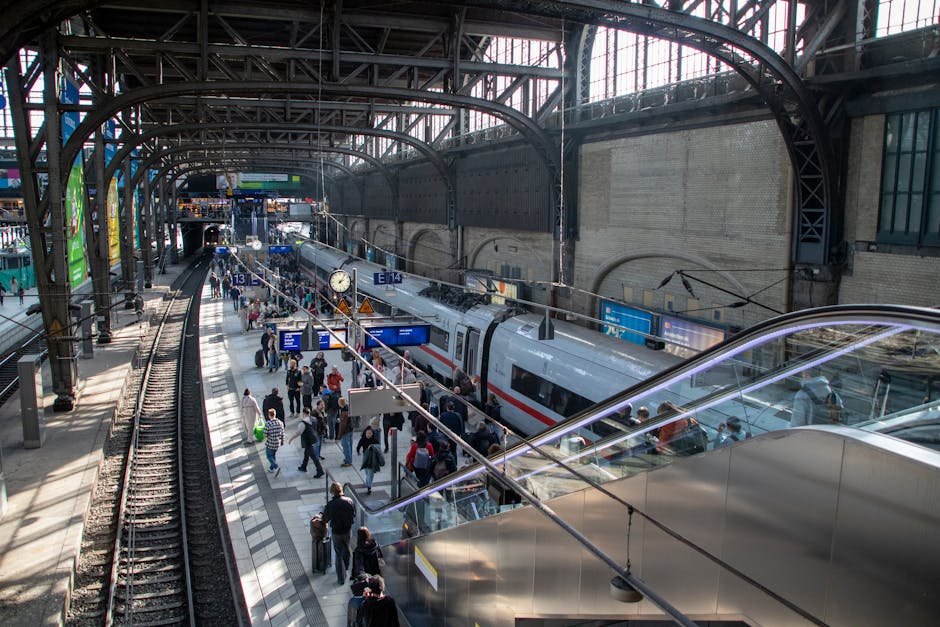
Arriving at a European station with a Eurail pass and expecting to board any high-speed train on the spot will cost €30–€200 in same-day rebooking fees. The TGV, AVE, Frecciarossa, ICE, and Eurostar all require seat reservations regardless of what pass you hold — passes grant rail access, not a seat assignment. Book reservations at the same time you plan your itinerary, not the morning of departure.
Four Rail Networks, Four Different Strategies
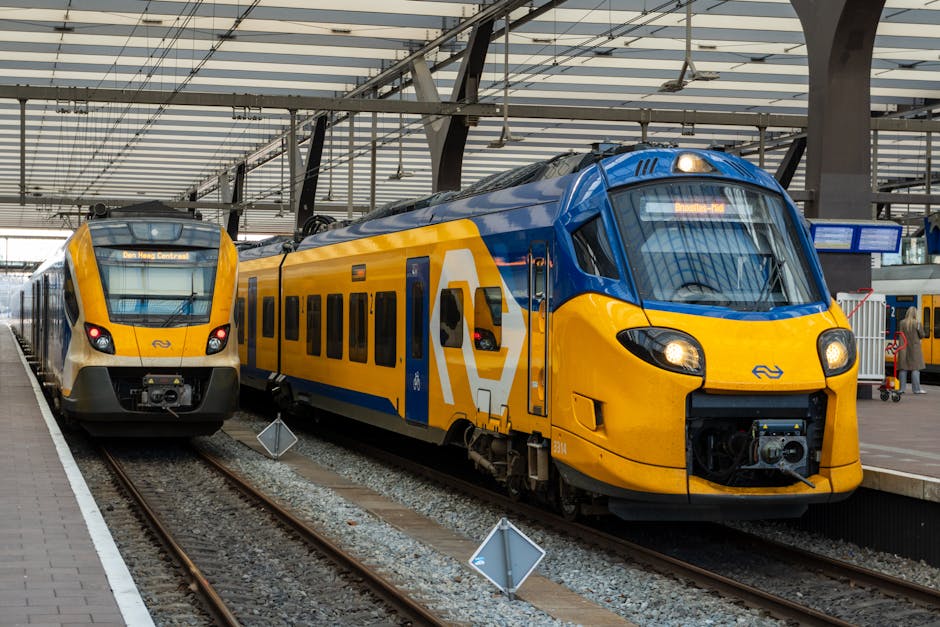
A multi-country European trip means navigating four or five distinct rail systems back-to-back. Each rewards a different booking approach and has specific failure modes worth knowing before you schedule tight connections.
Germany — Deutsche Bahn: Build in Buffer Time
DB’s punctuality has been a consistent weak point. In 2026, roughly 63% of ICE long-distance trains arrived within six minutes of schedule — DB’s own definition of on-time. For a traveler with a connection 20 minutes after arrival, that’s close to a coin flip. The practical fix: book all connecting trains on a single through-ticket (DB automatically rebooks you at no extra cost if a delay causes you to miss a connection), and never schedule less than 30 minutes between German connections. On the cost side, DB Sparpreis advance fares are some of the best in Europe — ICE trains from €19.90, regional trains from €17.90. The DB Navigator app is essential for real-time delay tracking.
France — SNCF: Book at 90 Days, Accept the Conditions
SNCF opens TGV bookings exactly 90 days ahead. The cheapest “Prems” fares — Paris to Lyon €16, Paris to Marseille €20, Paris to Barcelona from €45 — are limited to a small number of seats per departure and often sell out within a day of going live. Set a calendar reminder for 90 days before your travel date and book directly via SNCF Connect. These tickets are non-refundable and non-exchangeable. If there’s any chance your plans shift, the refundable “Flex” fare costs roughly double but lets you change freely up to the departure hour.
Switzerland — SBB: Expensive, Virtually Punctual
Swiss Federal Railways (SBB) consistently runs above 92% punctuality. Connections at 8 minutes are safe in ways they simply aren’t in Germany or Italy. The cost is the drawback — a Zurich to Geneva IC ticket runs around CHF 52 (approximately €55) at full price. The Swiss Half Fare Card costs CHF 120 for one month and cuts every SBB train, most PostBus routes, and many lake boat fares by 50%. If you’re spending four or more days in Switzerland, buy it. Two return trips between major cities and it pays for itself.
Italy — Trenitalia and Italo: Always Check Both
Trenitalia’s Frecciarossa and Italo’s AGV trains run the same high-speed corridors between Rome, Florence, Milan, Bologna, and Naples. The competition keeps prices low. Always check both operators before booking any Italian high-speed leg — pricing diverges frequently, and the cheaper option changes by date. Regional Regionale trains are significantly slower (Rome to Naples: 2h20m vs. 70 minutes on the Frecciarossa) but cost €10–€18 and reach coastal towns, Cinque Terre villages, and inland Tuscany that high-speed lines don’t serve.
Across all four networks, the booking approach that makes financial sense depends on your itinerary type:
| Trip Type | Best Strategy | Estimated Cost |
|---|---|---|
| 14-day structured itinerary, fixed cities | Point-to-point, booked 45–60 days ahead | €290–€440 |
| 3+ weeks, open plan, 6+ countries | Eurail Global Pass + reservation budget (~€150–€250) | $850–$1,050 |
| Italy-only, 7–10 days | Trenitalia or Italo direct — no pass needed | €80–€160 |
| UK + Continental Europe | Eurostar point-to-point (pass coverage is weak here) | €60–€120 per crossing |
| Vienna / Prague / Paris overnight legs | ÖBB Nightjet direct booking, couchette class | €45–€100 per berth |
| Switzerland + Austria combined | Swiss Half Fare Card + Austrian point-to-point | CHF 120 + €50–€80 |