
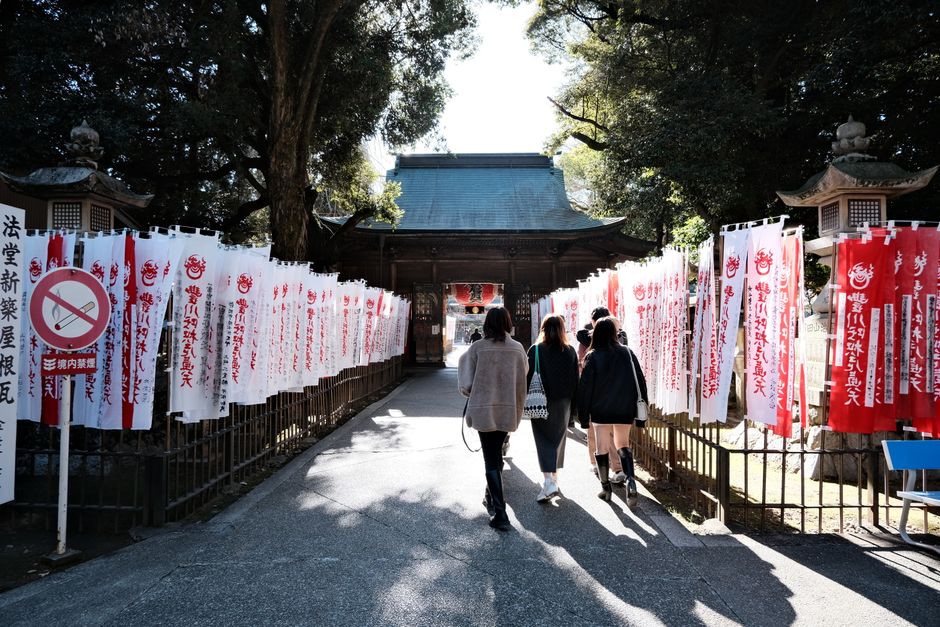
The Kumano Kodo is a network of ancient pilgrimage trails across Japan’s Kii Peninsula, not one single hike. Early summer brings vivid green forests, long daylight, and a serious chance of rain, so the strongest plan balances spiritual sites with realistic walking days, bus connections, and recovery time.
The Nakahechi Route is the right first choice in early summer
For a first Kumano Kodo walk, choose the Nakahechi Route from Takijiri-oji toward Kumano Hongu Taisha. It has the clearest English-language planning information, regular village access, established accommodation, luggage-shuttle options, and several points where you can shorten a day. That flexibility matters during Japan’s rainy season.
| Route or section | Distance and time | Early-summer verdict |
|---|---|---|
| Takijiri-oji to Tsugizakura-oji | About 17 km; 7–10 hours | Strong opening day for fit hikers; too long for a late start |
| Hosshinmon-oji to Kumano Hongu Taisha | About 7.5 km; 2–3 hours | Best short walk and easiest wet-weather backup |
| Kogumotori-goe | Mountain section between Hongu and Koguchi | Use only with confirmed transport and accommodation |
| Ogumotori-goe | About 14 km; 7–9 hours; 1,260 m ascent | Hardest mainstream Nakahechi day; avoid after heavy rain |
| Kohechi | More than 65 km with four passes above 1,000 m | For experienced mountain walkers, not a casual first trip |
The official Nakahechi route information describes the trail as a mountain environment, even though it is well supported compared with more remote options. That distinction is easy to miss in glossy travel photos. You will walk on forest paths, stone steps, uneven ground, village roads, and steep slopes. The correct recommendation is simple: use Nakahechi for your first visit, build in one flexible day, and save Kohechi for a later trip if you want a tougher mountain challenge.
Early summer means green scenery, rain, and high humidity
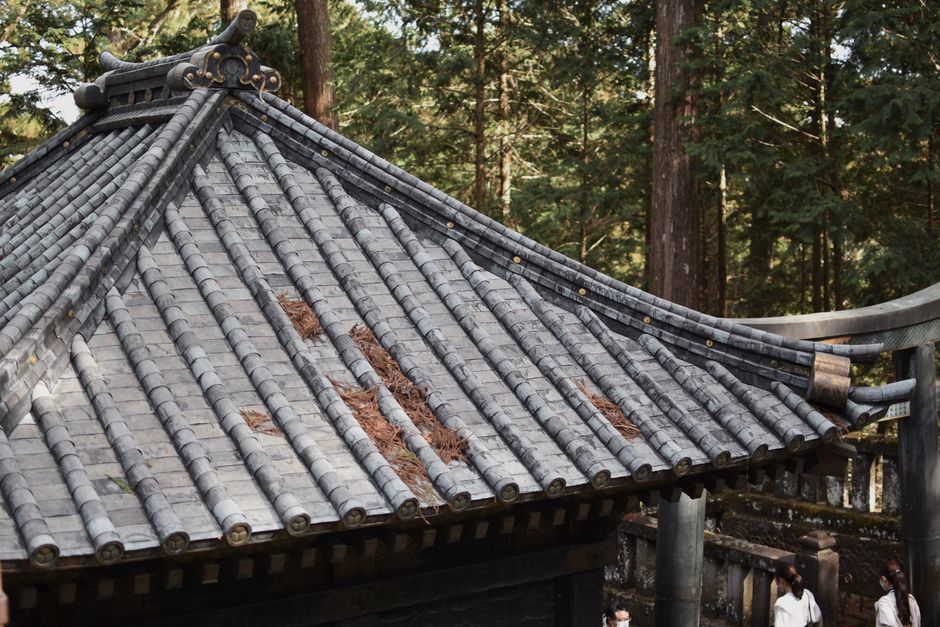
June through early July is a beautiful but demanding window for the Kumano Kodo. Japan’s rainy season usually runs from early June into mid-July, and Wakayama’s average high temperature rises from about 27°C in June to 31°C in July, with high monthly rainfall. The forest looks its best after rain, but wet roots, slick stone, fog, and damp clothing slow the pace quickly.
Plan each walking day around the forecast rather than a fixed photo schedule. Start early, keep a dry layer inside a waterproof liner, and treat a heavy-rain warning as a reason to shorten the route. A clear morning does not guarantee a clear afternoon in the mountains. The National Parks of Japan seasonal guidance also warns that early summer combines rain with rising heat and humidity.
What the weather changes on the trail
Rain increases slipping risk on wooden steps and exposed roots. Humidity makes a moderate climb feel harder, while cloud can hide viewpoints and delay navigation. After a storm, streams may rise and minor trail damage may appear. Check the latest closure and detour information with the local tourism office before setting out.
How to set a safe daily start
Leave your accommodation after breakfast, usually between 7:00 and 8:00, so you reach the steepest ground before afternoon storms. Add at least 25 percent to the official walking time for photographs, wet surfaces, shrine visits, and wrong turns. On a seven-hour route, that means reserving roughly nine hours from trailhead to destination.
Pack for wet mountain paths, not for a city holiday
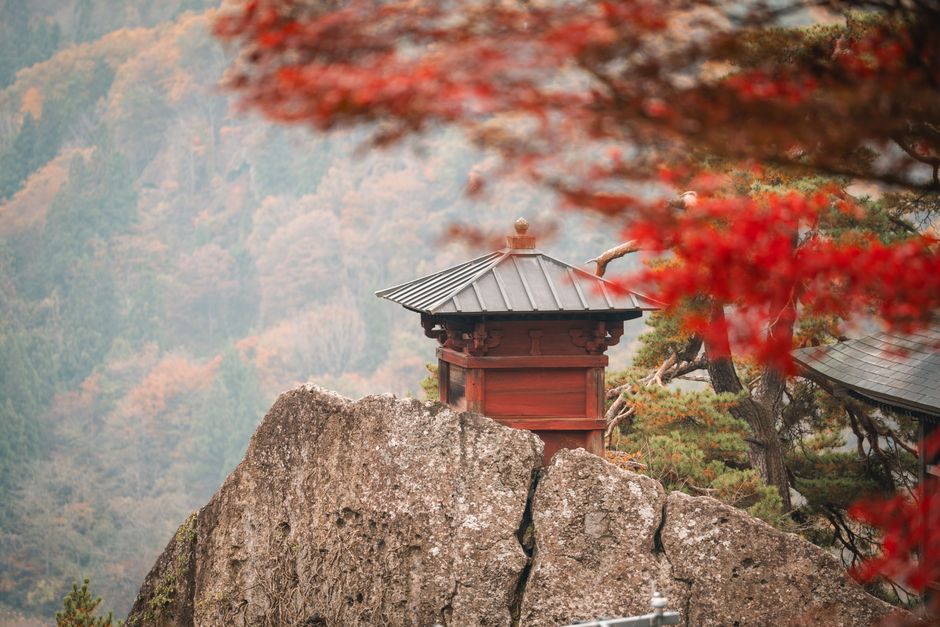
- Protect your feet first. Wear broken-in trail shoes with reliable grip and enough room for swelling. Waterproof footwear helps in shallow puddles, but no boot stays dry through deep mud or persistent rain. Pack two pairs of walking socks and change them before blisters start.
- Carry a real rain system. A compact umbrella is useful in villages but unreliable on exposed steps and in wind. Use a waterproof shell, rain trousers, and a pack liner. A rain cover alone can leave clothing wet when water runs down your back.
- Bring enough water and food. Start with at least 1.5 litres of water per person on a warm day, increasing that amount for long sections or poor refill access. Add salty food, fruit, and a quick carbohydrate source. Small shops are not evenly distributed along the trail.
- Separate wet and dry gear. Keep one dry shirt, sleep clothes, documents, and phone battery inside sealed bags. Put wet rain gear in a separate outer pocket when possible. This small packing choice protects your only comfortable clothing.
- Carry navigation backups. Download maps before leaving reliable mobile coverage and keep the official paper map available. The Nakahechi route has better signs than many rural trails, but a phone can lose signal, power, or accuracy in steep forest.
- Plan for insects and heat. Long trousers, repellent, sunscreen, and a hat are sensible in early summer. Check your shoes and lower legs after breaks. Forest moisture increases the chance of insects, and shade does not remove the risk of dehydration.
Do not pack as if the route were a serviced European trek. The villages have accommodation and bus links, but the trail itself has long quiet stretches. The most common mistake is carrying too little water and too much clothing. Keep your base weight modest, then spend that saved capacity on rain protection, food, and a dry layer.
Skip the hardest sections when the conditions make the choice obvious
My clear recommendation is to skip Ogumotori-goe in persistent rain unless you have strong mountain experience and a confirmed exit plan. The section is about 14 km, takes roughly seven to nine hours, and climbs about 1,260 m. Those figures describe a demanding mountain day in dry conditions. Wet stone, reduced visibility, slower footing, and a missed bus can turn it into a much longer problem.
The same rule applies to Kohechi. Its route between Koyasan and Kumano includes four passes above 1,000 m, isolated valleys, limited transport, and fewer facilities. Early summer does not make the route easy; it makes the scenery lush while adding humidity and storm risk. Choose Kohechi only if you already manage long mountain days with a loaded pack and can handle a delayed itinerary.
When to replace a full day with a short walk
Use the Hosshinmon-oji to Hongu section when a storm has passed but the ground remains slick. Choose a Hongu-area cultural day, a visit to Oyunohara, or a short shrine walk when thunder is forecast. A shorter trail still gives you forest, pilgrimage history, and village landscapes without turning a holiday into a rescue exercise.
When a guided trip earns its cost
A guided or locally arranged itinerary makes sense for travelers who do not read Japanese, need luggage transfers, have strict dates, or want help changing accommodation after bad weather. It is not essential for every fit hiker, but the value is practical: local staff can interpret bus changes, check closures, and build stages around the rooms that actually exist.
Common planning questions have practical answers
Do I need to book accommodation in advance?
Yes. Book every night before starting, especially in Takahara, Chikatsuyu, Tsugizakura, Koguchi, and the Hongu hot-spring areas. Small settlements do not have a deep spare-room supply, and many inns serve dinner at fixed times. If a booking site shows no room, check a local tourism booking service or change the route before arriving in Japan.
Can I walk the Kumano Kodo without sending luggage?
Yes, but a heavy pack makes steep wet climbs harder. A luggage shuttle is useful on the Nakahechi route when your accommodation participates and your bags meet its size and timing rules. Keep medication, rain gear, water, documents, and one dry layer in your daypack because the main luggage may not arrive until the next accommodation.
What happens if rain stops me halfway?
Do not rely on a taxi appearing in a remote village. Before each stage, mark the nearest bus stop, road crossing, shelter, and accommodation. Some sections have no lodging at the trailhead; the official route information specifically warns that there are no accommodations at Hosshinmon-oji. Carry enough battery power to call your inn and enough food to wait safely.
Is early summer suitable for beginners?
It is suitable for beginners who already walk regularly and choose short stages. It is a poor match for anyone expecting a flat sightseeing path. Practice on consecutive hills before arrival, test your shoes in rain, and be honest about how you handle heat. The route rewards patience more than speed.
Choose the route by experience, weather tolerance, and available time
| Your situation | Route choice | Why this wins |
|---|---|---|
| First pilgrimage, four to five days | Nakahechi from Takijiri to Hongu | Best signage, transport, accommodation, and stage flexibility |
| Only half a day available | Hosshinmon-oji to Hongu | Short, scenic, and easy to connect with Hongu-area lodging |
| Strong hiker seeking a full mountain challenge | Ogumotori-goe or Kohechi | Greater elevation, isolation, and physical demand |
| Rain-sensitive traveler | Hongu base with short walks | More shelter, hot springs, and transport options |
| Fixed departure date with no spare day | Shorter Nakahechi stages | Less exposure to a missed bus or delayed finish |
The ancient character of the Kumano Kodo does not require you to complete its hardest section. A pilgrimage is not improved by ignoring weather, rushing past a village, or arriving exhausted at the wrong bus stop. For most travelers walking in June or early July 2026, the specific recommendation is a four-day Nakahechi plan from Takijiri-oji to Kumano Hongu Taisha, with the Hosshinmon-oji section as the wet-weather fallback and at least one flexible day before leaving the region.