
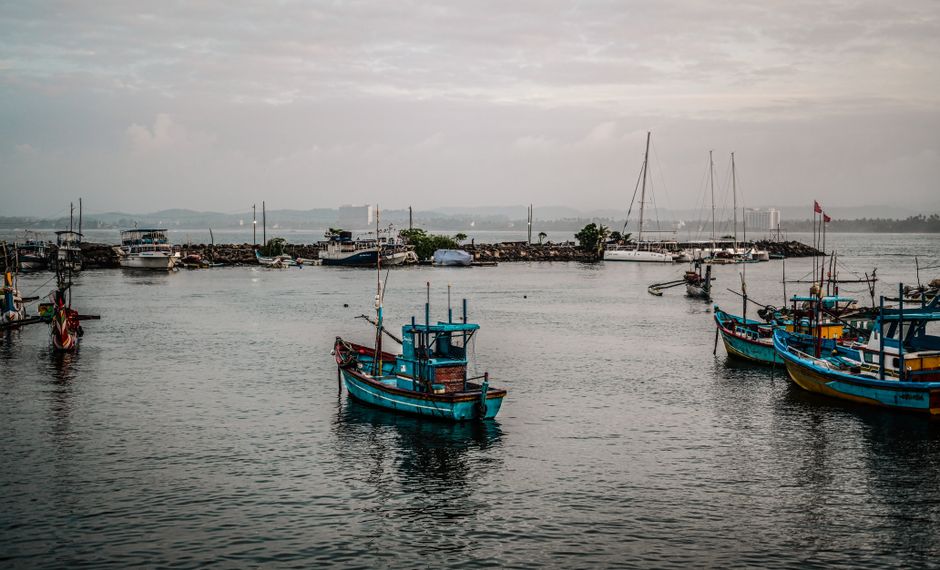
Sri Lanka has two monsoon systems, which means January can bring clear beach weather to Mirissa while seasonal rain affects the eastern coast. That is why a January trip works best when it follows the island’s weather, not a random list of famous places. Start in the hill country, take the scenic railway through tea estates, then finish on the south coast. The route is compact, varied and easy to understand.
What is the best 10-day Sri Lanka route in January?
The cleanest route runs in one direction. Do not zigzag between the coast and the hills. That wastes hours on roads and leaves less time for the places you came to see.
| Days | Base | Travel plan | What to do |
|---|---|---|---|
| 1 | Colombo or Negombo | Arrival and short transfer | Recover from the flight; keep the first evening easy |
| 2 | Kandy | Colombo to Kandy, about 3–4 hours by road or train | Temple of the Tooth, lake walk and local food |
| 3 | Kandy | No major transfer | Peradeniya Royal Botanic Gardens and a slow afternoon |
| 4 | Nuwara Eliya | Kandy to Nanu Oya by train, then a short road transfer | Tea estate visit, Gregory Lake and cool-weather walking |
| 5 | Nuwara Eliya | No major transfer | Pedro Tea Factory area, viewpoints and market streets |
| 6 | Ella | Nanu Oya to Ella by train or road, roughly 3–5 hours | Railway views, Little Adam’s Peak or a short hike |
| 7 | Ella | No major transfer | Nine Arches Bridge, Ravana Falls and a tea walk |
| 8 | Mirissa or Weligama | Ella to the south coast, about 4–6 hours by road | Settle in, swim if the sea is calm and watch the sunset |
| 9 | Mirissa or Weligama | No major transfer | Beach time, a surf lesson or a whale-watching trip |
| 10 | Galle or Colombo | South coast to departure point | Galle Fort if flight timing allows |
Why this order works
The route moves from inland altitude to sea level, so each leg feels different. Kandy gives you culture, Nuwara Eliya gives you tea country, Ella gives you the famous railway scenery and the south coast gives you a proper finish. The two-night stays matter. A one-night stop in every place sounds efficient but turns the trip into luggage handling with a few photographs attached.
What to cut first
If you have only seven days, remove Kandy’s second night and choose either Nuwara Eliya or Ella, not both. If you have twelve to fourteen days, add Galle, Tangalle or a wildlife stop near Yala, but do not squeeze all three into the same week. The best short version is Kandy, Ella and Mirissa. It keeps the train, the hills and the beach while avoiding a rushed northern detour.
How do you make the Kandy–Ella train journey work?
The train is the reason many visitors choose this route, but the railway is transport first and sightseeing second. It can run late, sell out or change service patterns. Treat the journey as a highlight with a backup, not as the single thing holding your holiday together.
Book the right section, not just a famous ticket
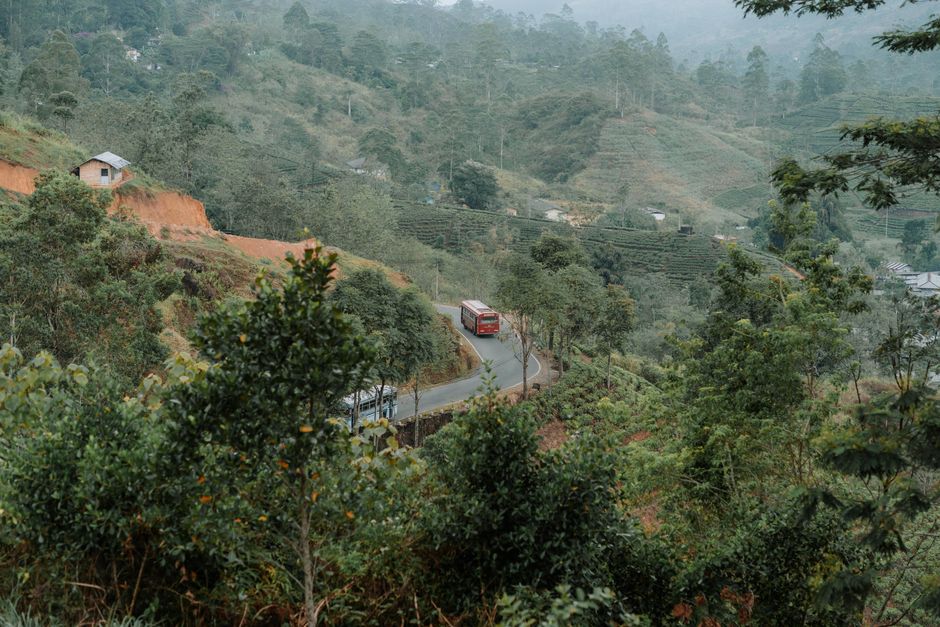
The most useful scenery sits in the hill section between Kandy, Nanu Oya and Ella. The full Kandy–Ella ride can take roughly six to eight hours, sometimes longer. Nanu Oya is the practical station for Nuwara Eliya; the town itself is reached by road after the train. Ella is more convenient for hikes and viewpoints, but it is also busier and more expensive than nearby Haputale. For a quieter tea-country stop, get off earlier and sleep in Nuwara Eliya or Haputale instead of treating Ella as the only valid destination.
Use the official Sri Lanka Railways seat-reservation information for available classes and routes. The reservation system lists services including Kandy–Ella and Kandy–Badulla, but availability and operating details can change. If your preferred reserved train is unavailable, ask at the station about an unreserved service and keep a road transfer as your fallback. Never build a flight connection on the same day around a scenic train.
Visit a tea estate with a clear plan
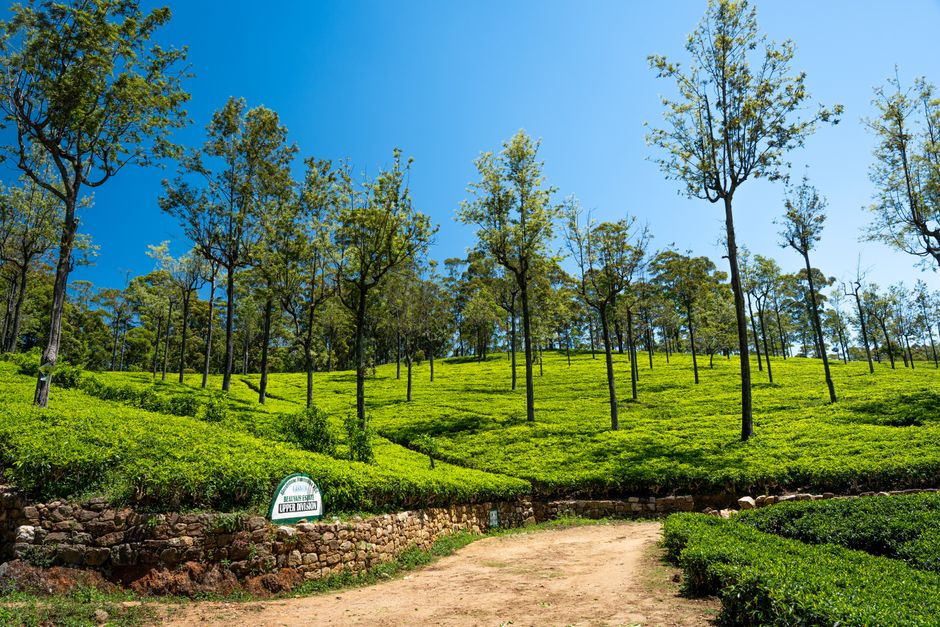
A tea estate is not just a green photo backdrop. Ask what the visit includes. Some stops show the factory floor, while others offer a short walk, a tasting or only a shop. The production process is straightforward: leaves are picked, withered, rolled, oxidised, dried and graded. That short chain explains why altitude, weather and leaf handling change the taste. Spend at least half a day around Nuwara Eliya or Haputale, and arrive early enough to see workers in the fields rather than showing up after the main activity ends.
Wear shoes with grip. Tea paths can be muddy even during a generally dry January, and mist can reduce visibility on exposed viewpoints. Do not buy a large quantity of tea at the first stop unless you have checked the label and origin. A polished shop does not automatically mean better tea. For most travellers, the strongest plan is one factory visit, one estate walk and one local tea room. More stops add driving, not depth.
What mistakes ruin a Sri Lanka trip in January?
Most problems come from planning the map instead of planning the time between places. These are the questions that deserve direct answers.
Should you reserve the train months ahead?
Reserve the scenic section early if you need a specific date or a reserved seat, especially during the January peak season. But do not pay a large premium to a middleman before checking the official railway channel. Tickets can be unavailable online for reasons that do not always mean the entire route is closed. Ask at a major station, check the current service notice and keep a road option ready. The mistake is treating one booking screen as the final word.
Can you trust a whale-watching guarantee?
No. Mirissa is a strong January base for whale-watching trips, but wild animals do not follow a tour company’s marketing copy. Sea conditions, departure time and luck matter. Choose a licensed operator that explains its policy, check the forecast and skip the boat if the sea looks rough. Do not schedule the excursion on the morning of a flight or a long transfer. A missed sighting is disappointing; a rushed connection is expensive.
Is it a mistake to hire a driver for the whole route?
Not always. A driver is the best fallback for families, photographers with heavy bags or travellers with limited time. The tradeoff is that you lose the low-cost local feel of the railway and spend more on transport. The worst choice is hiring a driver but still following an unrealistic train-style itinerary. Road journeys through the hills take longer than map apps suggest, and traffic around Kandy and the south coast can erase an afternoon. Pick the train for the signature hill section, then use a car or taxi for the awkward transfer from Ella to the coast.
Should you choose this Sri Lanka route?
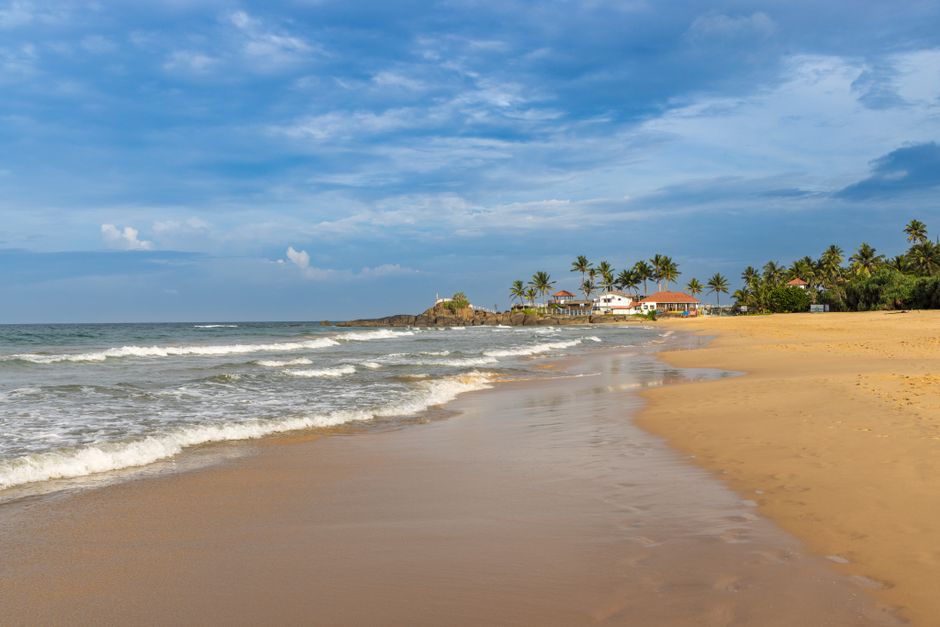
Choose this route if you want three distinct experiences in one trip: highland weather, working tea country and a warm coast. It is the strongest January combination because it follows the island’s seasonal pattern and keeps the journey moving in one direction.
Choose it if you value variety
This plan suits travellers who want a train window, a tea estate, short hikes, historic streets and beach time without crossing the whole island. It also works for first-time visitors who want enough structure to avoid wasted transfers but enough empty space to slow down. Kandy and Galle add culture; Nuwara Eliya and Ella add landscape; Mirissa or Weligama adds recovery time. That balance is the point.
Skip it if you want one fixed holiday mood
Do not choose the full route if you want a pure beach break, a serious hiking trip or a wildlife-focused safari holiday. Stay on the south coast for a slower week, choose the hills for cooler walks and tea, or build the trip around Yala and the dry-zone parks. Trying to force every version of Sri Lanka into ten days creates long transfers and shallow visits.
The single most important takeaway is this: in January, link Kandy and the tea country to the south coast, and leave enough time for the trains and weather to behave like real transport.