
You have three weeks. You have a backpack that’s probably too big. You have a budget that feels real but not infinite. And you’re staring at a map of Southeast Asia trying to pick between the two most obvious starting points: Bali or Thailand.
I’ve done both routes multiple times, most recently in early 2026. Here’s the honest comparison, with 2026 prices and current entry rules, not pre-pandemic nostalgia.
The Real Cost Difference in 2026 (It’s Not What Instagram Says)
Everyone says Thailand is cheaper. That was true in 2015. In 2026, the gap has narrowed to almost nothing on the ground, and in some categories Bali is actually cheaper now.
Here’s what I actually spent per day in both places in early 2026, and what you should budget for 2026 with inflation:
| Expense Category | Bali (USD/day) | Thailand (USD/day) | Winner |
|---|---|---|---|
| Dorm bed (good hostel) | $8–14 | $6–12 | Thailand, slightly |
| Private room (guesthouse) | $15–25 | $12–22 | Thailand |
| Local meal (warung / street food) | $2–4 | $1.50–3 | Thailand |
| Western meal (cafe) | $5–8 | $4–7 | Thailand, slightly |
| Motorbike rental (per day) | $5–7 | $6–9 | Bali |
| Domestic flight (one-way) | $35–60 | $30–55 | Roughly equal |
| SIM card (30 days, 20GB+) | $8–12 | $10–15 | Bali |
| Laundry (per kg) | $1–1.50 | $1–2 | Bali |
| Beer (large Bintang / Chang / Leo) | $2.50–3.50 | $2–3 | Thailand |
| Average daily budget (backpacker) | $30–40 | $28–38 | Thailand, by a hair |
Bottom line: The cost difference is under $5 per day for most backpackers. If you’re choosing based on money alone, you’re optimizing for the wrong variable. The real difference is what that money buys you.
Where Bali Actually Costs More
Bali’s tourist tax (Rp 150,000, about $9.50) is now collected on arrival at Denpasar Airport. Thailand has no equivalent entry fee for most nationalities. Bali also has more situations where you’re stuck paying tourist prices because there’s no street food alternative in areas like Canggu or Uluwatu. In Thailand, even in tourist-heavy Khao San Road, you can walk 10 minutes and find a 50 baht ($1.50) pad thai. In Canggu, the floor for any meal is closer to 50,000 rupiah ($3.20).
But Bali wins on accommodation quality at the low end. A $10 dorm bed in Bali is usually in a newer, cleaner hostel with a pool. A $8 bed in Bangkok’s Khao San area might be in a windowless room with a fan that sounds like a failing lawnmower.
Route Simplicity: Thailand Has a Built-In Backpacker Circuit
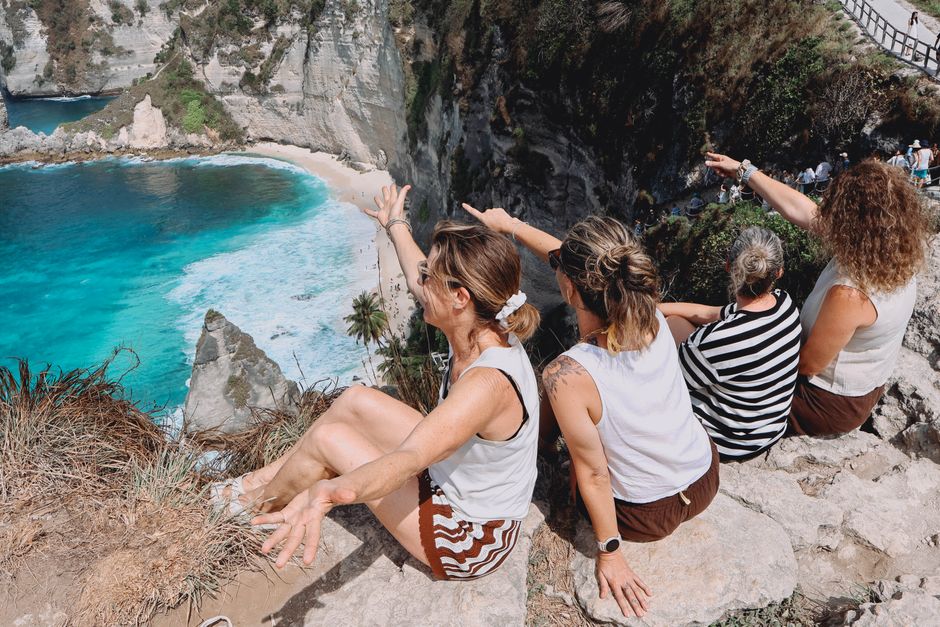
Thailand’s backpacker infrastructure is the most developed on Earth. You land in Bangkok, spend two nights on Khao San Road, then follow a route that has been walked by millions of people before you. Bangkok → Chiang Mai → Pai → then south to Krabi/Ao Nang or the islands. Every leg has direct buses, trains, or flights. Every stop has hostels that have been operating for 15+ years. You will never be the first tourist anywhere.
Bali’s route is less linear. You land in Denpasar, then choose: Canggu for surf and cafes, Ubud for rice terraces and yoga, Uluwatu for cliffs and beaches, or the Gili Islands for a boat trip. These are all 45–90 minutes apart by scooter or car, but there’s no obvious order. First-timers often waste two days just figuring out where to go next.
My verdict: For a first-time backpacker who has never navigated Southeast Asia, Thailand’s built-in circuit removes about 80% of the planning stress. Bali requires more independent decision-making from day one. If you want to ease into backpacking, Thailand wins on route simplicity.
What About the Visa Situation?
Thailand now offers 60 days visa-free for most Western passports (US, UK, EU, Australia, Canada). Bali/Indonesia offers 30 days visa-free, extendable once for 30 more days for a fee, or you can pay for a 60-day visa on arrival. For a three-week trip, both are fine. For anything longer than a month, Thailand is less hassle.
Social Scene and the First-Timer Experience
Here’s the uncomfortable truth: the social experience is wildly different, and nobody says this clearly enough.
Thailand’s backpacker scene skews younger. The Khao San Road → Chiang Mai → Pai route is full of 18–24 year olds on their first big trip. Hostels are loud. Drinking is a central activity. You’ll find a group to join within hours of landing. If you’re solo and nervous about being alone, Thailand is the easier social entry point.
Bali’s scene has shifted. Canggu is now dominated by remote workers, digital nomads, and people staying for months at a time. The average age is 25–35. The social scene is built around cafes, co-working spaces, surf sessions, and yoga classes rather than pub crawls. You can absolutely meet people, but it takes more effort. People in Bali are on routines. They’re not looking for a new best friend every three days the way Thailand backpackers are.
- Pick Thailand if: you’re 18–24, solo, first trip, want instant social connection, don’t mind loud dorms and late nights.
- Pick Bali if: you’re 25+, want a mix of social time and alone time, prefer cafes over bars, and don’t need a party every night.
This is the single most important differentiator, and most comparison articles skip it entirely.
What Goes Wrong: Failure Modes for First-Timers
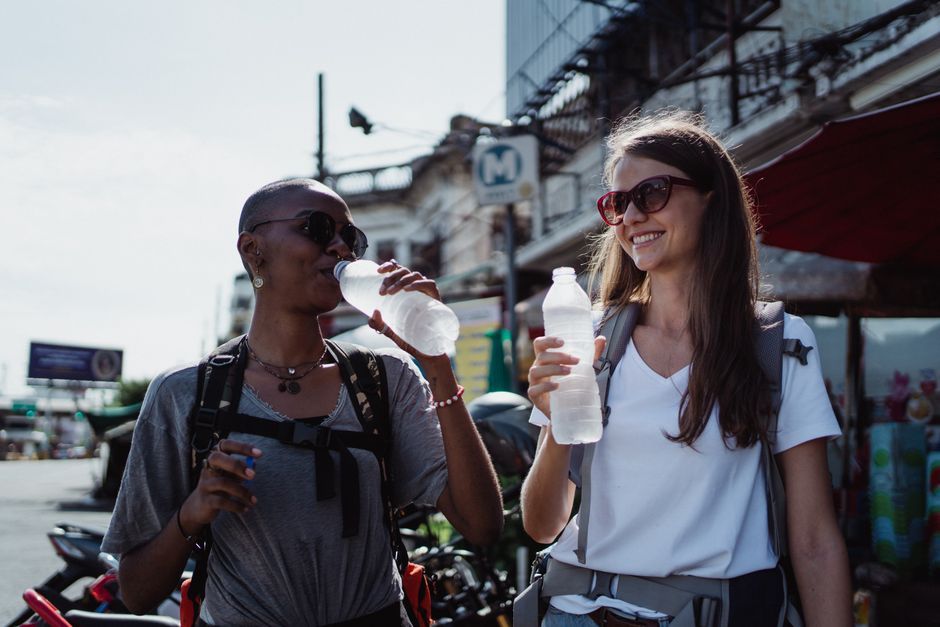
Both destinations have predictable ways to ruin your first week. Here’s what I’ve seen repeatedly.
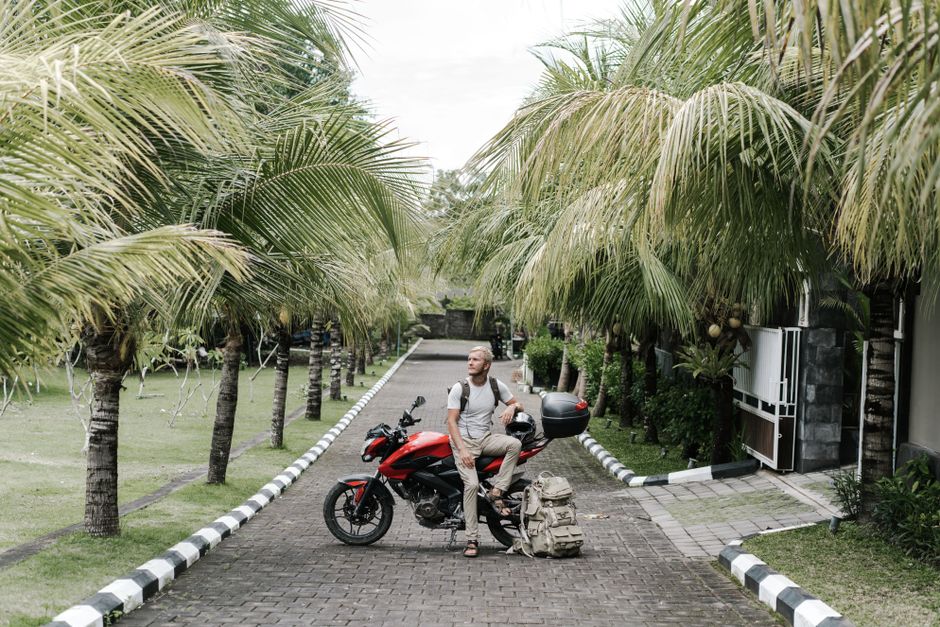
Bali’s biggest failure mode: underestimating scooter culture. Bali has almost no public transportation. You will need a scooter, or you’ll be stuck paying for Grab/Gojek rides that eat your budget and waste your time. If you’ve never ridden a scooter before, Bali’s chaotic traffic in Canggu and Ubud is not the place to learn. I’ve seen more first-timers wipe out on their first day in Bali than anywhere else in Southeast Asia. If you’re not comfortable on two wheels, either budget for ride-hailing apps ($3–7 per trip) or consider Thailand, where trains, buses, and songthaews actually exist.
Thailand’s biggest failure mode: getting stuck in the party vortex. Khao San Road and the Full Moon Party circuit are designed to keep you drunk and spending money. I’ve met backpackers who planned to see all of Thailand and spent 10 days in the same Bangkok hostel because they never broke the cycle. It’s fun. It’s also not travel. Set a hard exit date from Bangkok if partying is your weakness.
Another failure mode specific to 2026: both destinations now have stricter enforcement of scooter license requirements. In Bali, police checkpoints in Canggu and Ubud are daily occurrences. Riding without an international driving permit (IDP) gets you a fine of about Rp 250,000–500,000 ($16–32) on the spot. Thailand has similar checkpoints in Chiang Mai and the islands. Get the IDP before you leave home. It costs $20 at AAA in the US and takes 20 minutes.
My Pick for First-Time Backpackers in 2026
If you’ve never backpacked before and you’re choosing one destination for a 2–4 week trip, I’m picking Thailand. Not because it’s cheaper (it barely is), but because it’s structurally easier. The route is obvious. The social scene is more welcoming to solo travelers. The transportation options don’t require you to learn to ride a scooter on day one. And the margin for error is bigger.
Bali is the better choice if you’re a slightly older first-timer (25+), you want a slower pace, you’re comfortable renting a scooter or paying for rides, and you’re more interested in cafes, surf, and yoga than pub crawls. Bali rewards independence. Thailand rewards inexperience.
Both are excellent. Neither is a mistake. But if I’m advising a nervous 21-year-old who has never left their home country, I’m putting them on a flight to Bangkok, not Denpasar.
This is not financial advice. It’s travel advice based on my own trips and current 2026 conditions. Prices change. Check current visa rules before booking.