
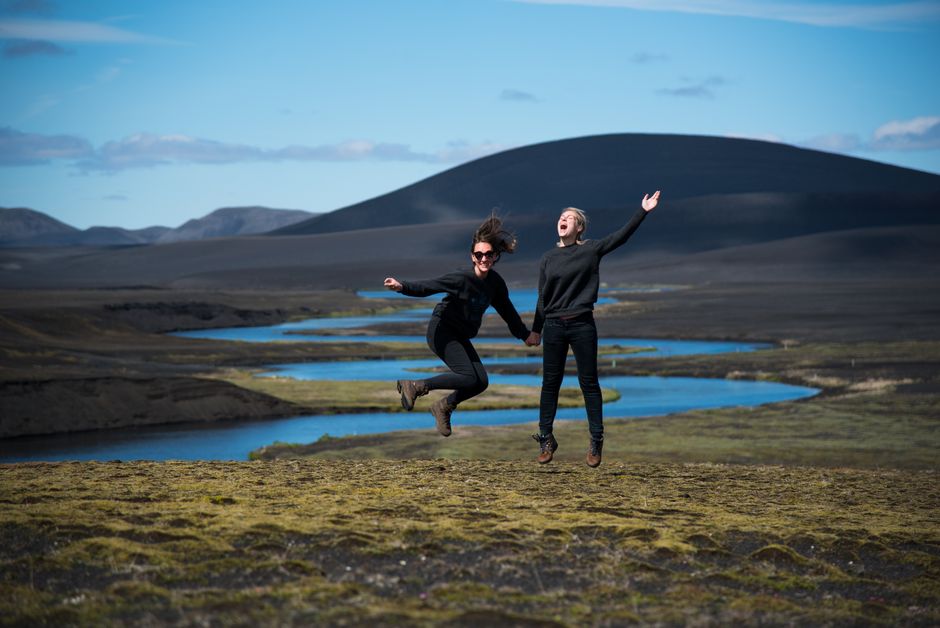
Many first-time visitors assume Iceland’s Ring Road means stopping at every famous waterfall, beach, glacier, and fishing village. Seven days cannot do that well. The smarter goal is a complete loop with a few strong stops each day, enough daylight for short walks, and room for weather delays. This route covers the paved Ring Road from Reykjavik and back, with overnight bases that keep the driving manageable.
The Best 7-Day Route Around Iceland
Verdict: Drive clockwise after Reykjavik if you want the south coast’s major sights early, then finish through the quieter north and west. This layout also gives you a final buffer day before an international flight.
| Day | Route | Distance | Best stops | Sleep |
|---|---|---|---|---|
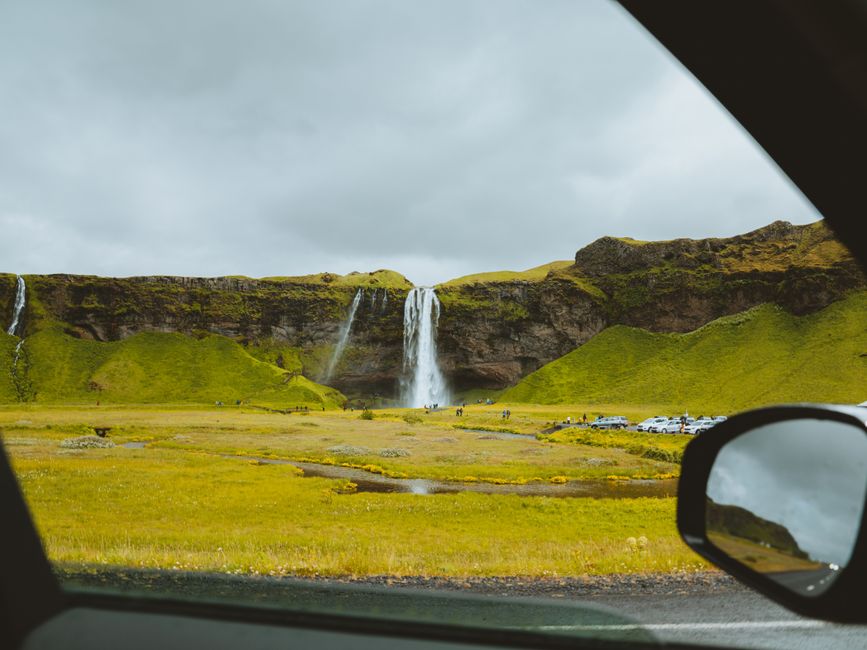
| 1 | Reykjavik to Hella or Hvolsvöllur | 95-120 km | Seljalandsfoss, Skógafoss, Kvernufoss | Hella area |
| 2 | Hella to Höfn | 285-320 km | Reynisfjara, Skaftafell, Jökulsárlón, Diamond Beach | Höfn |
| 3 | Höfn to Egilsstaðir | 250-285 km | Vestrahorn, Eastfjords, Berufjörður | Egilsstaðir |
| 4 | Egilsstaðir to Akureyri | 290-330 km | Dettifoss, Ásbyrgi or Lake Mývatn, Goðafoss | Akureyri |
| 5 | Akureyri to Hvammstangi | 200-230 km | Tröllaskagi views, Hofsós, Vatnsnes Peninsula | Hvammstangi |
| 6 | Hvammstangi to Reykjavik | 195-220 km | Borgarnes, Hraunfossar, Deildartunguhver | Reykjavik |
| 7 | Reykjavik or Keflavík | 0-55 km | City morning, airport buffer, Blue Lagoon only if timing works | Departure |
Day 2 carries the longest sightseeing load, so leave Hella early and treat the list as a menu rather than a promise. If wind, rain, or road closures slow you down, skip one waterfall before you skip daylight and safe driving. Dettifoss also needs a road check because the eastern approach may not suit every rental car or season.
Can You Drive Iceland’s Ring Road in Seven Days?
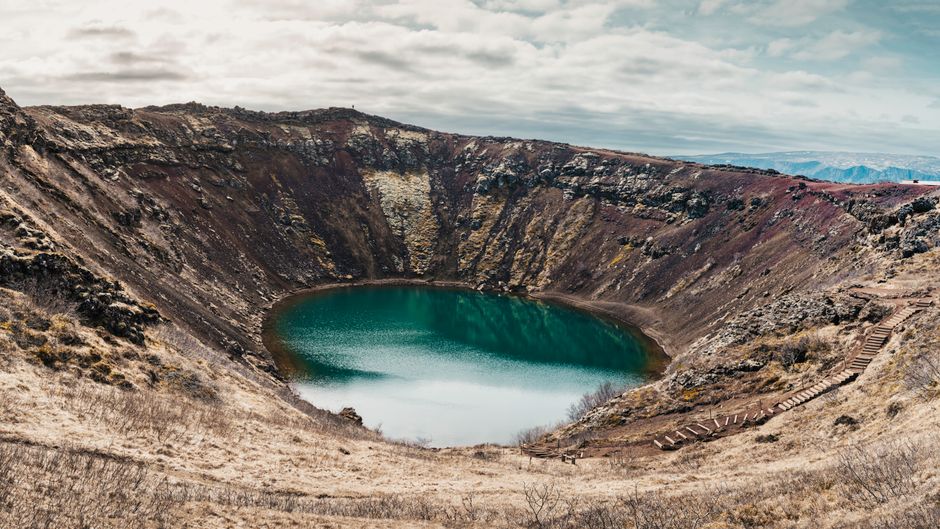
Yes, but only as a highlights loop. Seven days works for travelers who accept six driving days, choose one main overnight town per night, and limit side trips to short detours; it fails for anyone expecting deep exploration of the Westfjords, Snæfellsnes, Highlands, and every coastal village in the same week. The route covers roughly 1,300 to 1,500 kilometers depending on detours, which sounds easy on a map but becomes demanding when you add gravel pull-offs, photo stops, café breaks, slow traffic, and changing visibility, so the best first-timer plan protects the morning start and keeps one flexible day at the end rather than squeezing another remote peninsula into the loop.
How to Handle Iceland’s Roads and Weather
Road judgment matters more than driving speed. Iceland’s paved roads can feel simple until crosswinds, loose gravel, single-lane bridges, sheep, or sudden fog appear. Check the official SafeTravel Iceland conditions page and the road forecast each morning, then make the route match the conditions in front of you.
Set a realistic daily driving limit
Use the distance table as a ceiling, not a target. A 300-kilometer day may take eight or nine hours once you stop at waterfalls and viewpoints. Start with a full fuel tank, keep the phone charged, and download maps before leaving town. The driver should treat every pull-off as a decision point: if the parking area looks full or the wind pushes the car sideways, continue to the next safe stop instead of braking on the shoulder for a photograph.
Know the mistakes that create real trouble
- Do not stop in the middle of the road to photograph a landscape.
- Do not open a car door into a strong crosswind without holding it firmly.
- Do not drive onto an F-road because a navigation app shows a shorter route; ordinary two-wheel-drive rentals cannot use many Highland roads.
- Slow down before gravel begins. A sudden surface change can make the tires lose grip.
- Approach single-lane bridges slowly and give the right of way to the vehicle already closest to the bridge.
Build a weather escape plan
Keep two alternatives for every long day. On Day 3, shorten the Eastfjords drive and sleep in Breiðdalsvík if the coast becomes tiring. On Day 4, choose Lake Mývatn and Goðafoss if Dettifoss access looks poor. On Day 6, drive straight to Reykjavik if Hraunfossar would leave you rushing after dark. This flexibility protects the trip’s best feature: you can still see dramatic scenery without treating the itinerary as a timed race.
What to Pack for This Seven-Day Route
Pack for wet wind, not for the forecast icon. Iceland can give you sun, mist, sleet, and a cold breeze within one afternoon, especially near waterfalls and exposed beaches. Bring layers that work in the car and on a short trail.
- Rain shell: The Patagonia Torrentshell 3L costs about $189 in the United States for the 2026 listing, uses a three-layer waterproof construction, and weighs 400 grams in the men’s model. It is my pick for a week of mixed weather because it handles steady rain without taking much space.
- Waterproof footwear: The Salomon X Ultra 4 Mid GORE-TEX lists at about $210 in Canada, with a 425-gram per-shoe weight, an 11-millimeter drop, and stable support for mixed terrain. Choose it over a soft sneaker for Skaftafell paths, wet grass, and uneven lava.
- Portable power: The Anker 325 Power Bank, also called PowerCore 20K, has a 20,000mAh capacity, two USB-A outputs, a 12.1-ounce weight, and a UK list price around £29.99. It suits travelers who use a phone for navigation and photography all day, though its USB-C port only accepts input.
- Pack two pairs of wool or synthetic socks and rotate them at lunch. Damp socks create more discomfort than cold air.
- Carry a refillable bottle, sunglasses, lip balm, gloves, and a small dry bag for phones. Keep snacks in the car because rural food stops may close before your route reaches them.
- Leave bulky camping gear at home unless you already understand Iceland’s camping rules and weather limits. For a first loop, guesthouses or hotels save valuable setup time.
The best gear choice is not the most technical item. It is the item you can put on quickly when rain starts beside a parking lot. Keep the shell, gloves, and phone battery within reach rather than buried under luggage.
Fast Ring Road or Fewer Stops?
Choose the full loop only when seeing all four sides of Iceland matters more than hiking depth. For most first-timers, this itinerary wins because it includes the south coast, glacier country, Eastfjords, the north, and the west without adding a risky Highland detour. A slower seven-day trip based only around the south coast gives you more time at each waterfall, but it does not deliver the same sense of Iceland’s changing landscape.
| Travel style | Best for | Main advantage | Main cost |
|---|---|---|---|
| Full Ring Road | First visit, scenic variety | Completes the island loop | Longer driving days |
| South Coast base trip | Short hikes, glaciers, relaxed pace | More time at fewer sights | No complete circuit |
| Ring Road with side trips | Repeat visitors, summer daylight | More remote landscapes | Higher fatigue and weather risk |
Use the full loop from June through early September when road access and daylight usually give you the strongest margin. Outside that window, keep the same stops as options rather than commitments, and let road conditions decide how far the day goes.