
I’ve booked Riviera Maya trips for people who came back furious. Not because of the food or the service. Because they walked out to the beach on day one and found a rotting, sulfur-smelling seaweed mat stretching to the horizon. Their $800/night oceanfront room faced a brown, unusable shoreline for six days straight.
Sargassum isn’t a minor inconvenience. It’s a trip-killer. And most hotel websites won’t tell you which properties actually handle it well and which ones leave you stranded with nothing but a pool packed by 9 AM.
This list isn’t about thread counts or spa menus. It’s about which hotels give you a real Caribbean experience even when the seaweed hits hard. I’ve ranked them by how well they protect the actual reason you’re flying to Mexico.
The Sargassum Problem Most Travelers Ignore Until It’s Too Late
Sargassum season runs roughly April through October, but I’ve seen it arrive in March and linger into November. It’s unpredictable. A beach can be pristine on Monday and buried by Wednesday.
The hotels that handle it well share three things: offshore barriers, daily beach cleaning crews that start at 6 AM, and—this is the one most people miss—a backup plan that isn’t just the main pool.
Properties that rely on a single infinity pool become a disaster when 400 guests all need somewhere to swim. You end up with towel-reservation warfare and no chairs by 8:30 AM. I’ve lived that. It’s miserable.
The worst offenders are boutique beachfront hotels between Playa del Carmen and Tulum that have one small pool and no lagoon access. They photograph beautifully on Instagram. They’re a nightmare when the seaweed arrives.
Mayakoba: The Lagoon System That Makes Sargassum Irrelevant
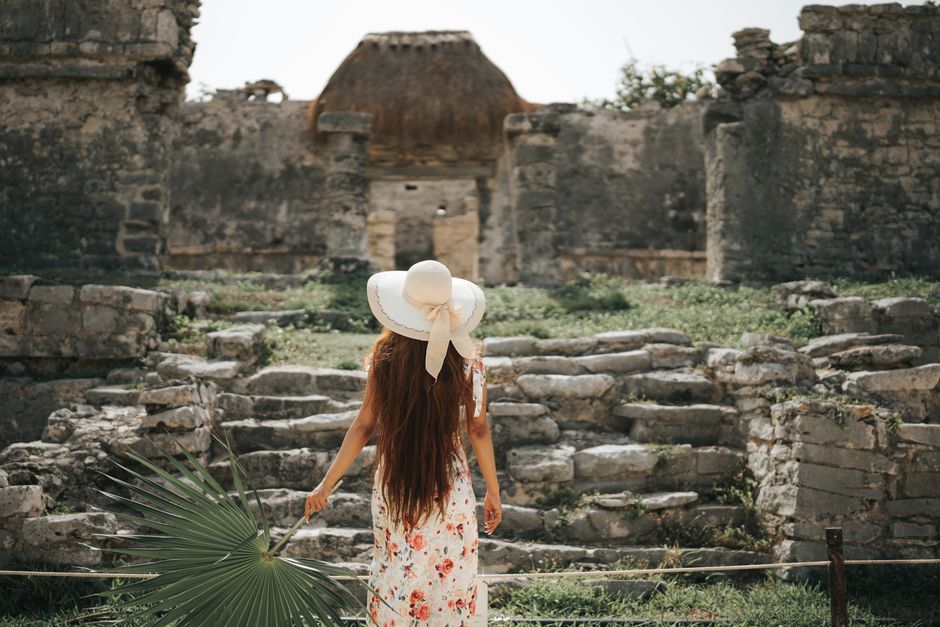
Mayakoba is a 620-acre private development with a mangrove-lined lagoon system winding through the entire property. This isn’t a minor feature. It’s the reason you book here instead of anywhere else on the coast.
Three hotels sit inside Mayakoba: Rosewood Mayakoba, Banyan Tree Mayakoba, and Fairmont Mayakoba. All three share the same fundamental advantage—the lagoons give you swimmable, boatable water that sargassum can’t touch. When the beach is unusable, you take a lancha (small boat) through the mangroves, paddleboard, or swim in your suite’s private plunge pool overlooking the lagoon.
Rosewood Mayakoba starts around $900/night for a lagoon suite. Each suite has its own dock and plunge pool. The beach club has offshore barriers and a cleaning crew, but honestly, the beach is almost secondary here. The lagoon is the product.
Banyan Tree runs $700-800/night with similar lagoon access. Their villas have private pools that are genuinely private—not the “private pool three feet from your neighbor’s patio” situation you get at cheaper resorts.
Fairmont is the most affordable entry point at $400-600/night. You still get full lagoon access, boat service, and the same geographic protection. The rooms aren’t as stunning as Rosewood, but the lagoon system works exactly the same way.
Who should skip Mayakoba: If you want to walk straight from your room onto sand and into the ocean, this isn’t your spot. The beach is a golf cart or boat ride away. That tradeoff is exactly what protects you from sargassum, but it’s a real tradeoff.
Hotel Xcaret Arte: When the Backup Plan Is Better Than Most Hotels’ Main Plan
Xcaret Arte’s beach is fine. Not spectacular. But their backup plan is the most aggressive in the Riviera Maya.
Your rate includes unlimited access to their parks—Xcaret, Xplor, Xenses, Xel-Há, and Xavage. Xel-Há alone is a natural inlet with clear water, snorkeling, and cliff jumps. It’s a 15-minute shuttle ride. When sargassum hits the coast, you don’t sit around angry. You go to Xel-Há.
The resort itself has multiple river-style pools winding through the property, a rooftop pool, and a beach area they maintain aggressively with barriers and daily cleaning. Rates start around $700/night per person for all-inclusive. Yes, per person. It’s expensive. But the park access replaces what you’d spend on excursions.
I’ve sent families here during peak sargassum months and they came back reporting they barely noticed the seaweed issue. That’s the highest compliment I can give.
| Hotel | Starting Rate/Night | Sargassum Protection | Backup Water Access | Best For |
|---|---|---|---|---|
| Rosewood Mayakoba | $900 | Offshore barriers + cleaning | Private lagoon, plunge pool, boat system | Couples, privacy seekers |
| Banyan Tree Mayakoba | $750 | Offshore barriers + cleaning | Lagoon access, private villa pools | Spa-focused travelers |
| Fairmont Mayakoba | $450 | Offshore barriers + cleaning | Full lagoon system, multiple pools | Families wanting lagoon access |
| Hotel Xcaret Arte | $700 (per person, AI) | Barriers + daily cleaning | Xel-Há park, river pools, rooftop pool | Adults who want activity backup |
| Grand Velas Riviera Maya | $800 (per person, AI) | Barriers + intensive cleaning | Three-tiered pool system, cenote-style pool | Luxury all-inclusive seekers |
Cozumel: The Island That Gets Skipped for the Wrong Reasons
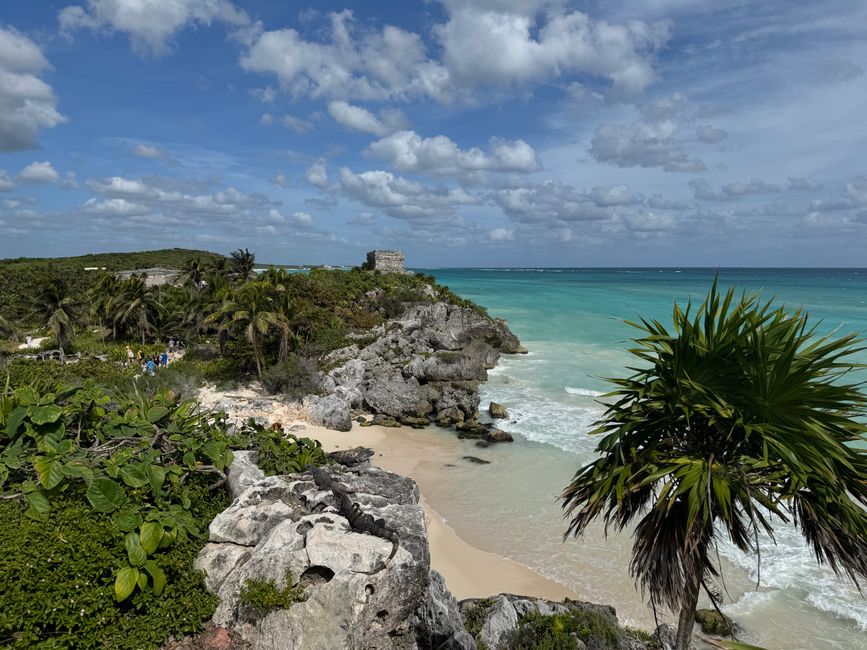
Cozumel’s west coast faces the channel between the island and the mainland. The prevailing currents push sargassum onto the Riviera Maya’s east-facing beaches. Cozumel’s western shoreline gets dramatically less seaweed.
I know—Cozumel means a ferry from Playa del Carmen. That extra step scares people off. But the water clarity difference during sargassum season is stark. While mainland beaches sit under brown mats, Cozumel’s western hotels often have clear, swimmable water.
The InterContinental Presidente Cozumel has a protected beach area and solid snorkeling directly offshore. Rooms run $250-400/night. The Secrets Aura Cozumel sits on the southwest coast with similar protection, adults-only, around $400-500/night all-inclusive.
This isn’t the right call if you want to explore cenotes or Tulum ruins daily. The ferry adds 45 minutes each way and costs about $25 round-trip per person. But if you want reliable beach days in July, Cozumel’s western shore is the most consistent option in the region.
Grand Velas Riviera Maya: The One All-Inclusive That Actually Earns Its Price
Grand Velas runs about $800 per person per night. That’s a number that makes most people close the browser tab. But here’s what you’re buying beyond the obvious luxury: a three-tiered pool system that cascades toward the ocean, a cenote-style pool that feels nothing like a standard resort rectangle, and a beach maintenance program that starts before sunrise.
Their beach crew deploys floating barriers and runs mechanical rakes daily during sargassum season. More importantly, the pool complex is designed so well that you don’t feel like you’re settling for a backup plan. The main infinity pool overlooks the ocean. The cenote pool is shaded and winding. There’s space.
The food is genuinely excellent—not “good for an all-inclusive” but actually good. Each restaurant operates as a proper kitchen, not a buffet assembly line. That matters when you’re spending this much.
When to skip Grand Velas: If you’re a beach purist who wants to walk barefoot for miles. The beach here is well-maintained but not endless. The property is about the pools, the food, and the service. The beach is a supporting character, not the lead.
Isla Mujeres: The Budget-Friendly Sargassum Escape
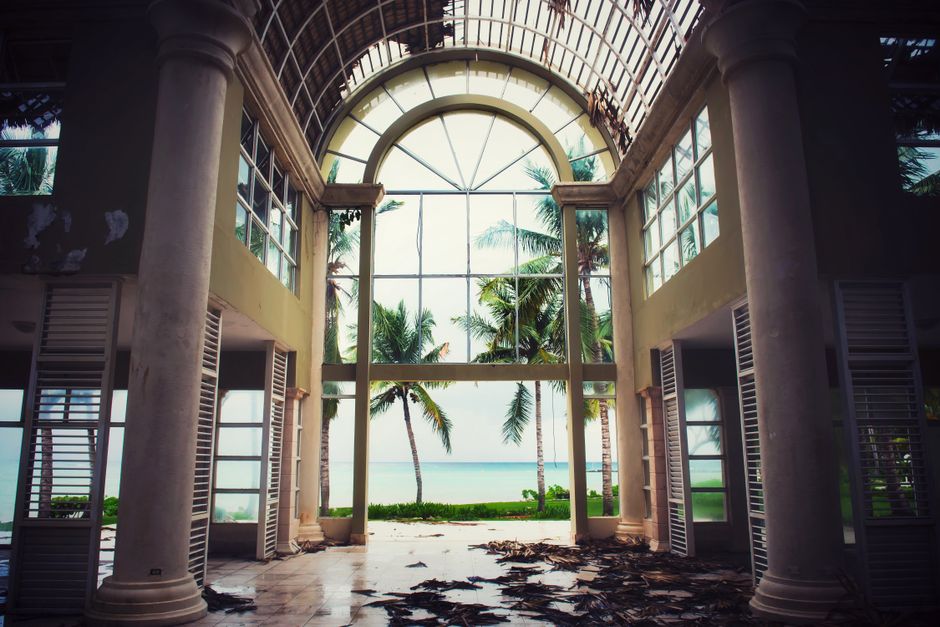
Isla Mujeres has the same geographic advantage as Cozumel—west-facing beaches that currents largely spare from sargassum. Playa Norte, the island’s main beach, is one of the best in Mexico and stays clearer than almost any mainland beach during seaweed season.
You won’t find Mayakoba-level luxury here. This is the practical choice. The Mia Reef Isla Mujeres sits on its own small island connected by a bridge, with Playa Norte on one side and a quieter beach on the other. Rates run $200-350/night all-inclusive. The rooms aren’t stunning, but the beach access is unbeatable for the price.
Privilege Aluxes is the adults-only upgrade at $250-400/night, directly on Playa Norte with a rooftop pool as backup. No lagoon system, no park access—just a reliable beach and a pool that works as a plan B.
The ferry from Cancun takes 20 minutes and costs about $15 round-trip. You’re trading resort amenities for beach reliability. For a four-night trip where swimming in clear ocean water is the priority, this tradeoff makes sense.
Three Questions to Ask Before You Book Anything
Does this hotel have a water backup beyond a single pool? Look for lagoons, multiple pool zones, nearby cenotes, or included park access. One pool for 500 rooms is a disaster waiting to happen.
Can I verify their sargassum barriers exist right now? Search the hotel name plus “webcam” before booking. Many properties have live beach cams. Look at them. Don’t trust the marketing photos from December.
What’s the cancellation policy for oceanfront rooms? Some hotels offer flexible rebooking if sargassum conditions are severe. Most don’t. Know which you’re buying before you pay. If you’re booking through a site with strong buyer protection, that’s worth the slightly higher rate during seaweed season.
Book the hotel that solves the problem you’ll actually face. In the Riviera Maya, that problem isn’t thread count. It’s whether you’ll swim in clear water or stare at rotting seaweed for a week.