
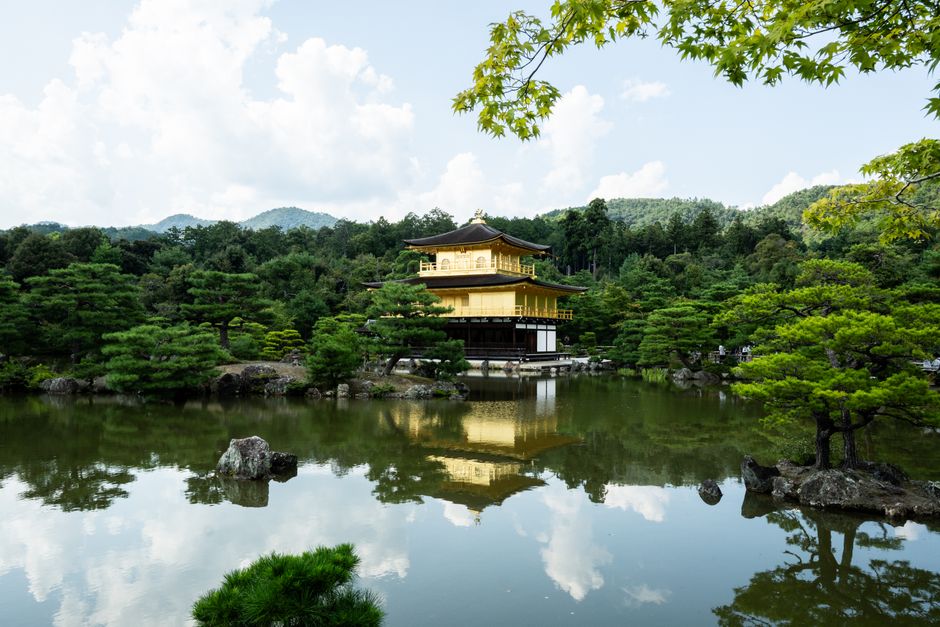
You just waited 45 minutes to take a photo of Kinkaku-ji with 600 other people jostling for the same spot. The golden pavilion is stunning. The experience is terrible. Kyoto doesn’t have to feel like a theme park. The city holds dozens of temples where you’ll share the moss garden with maybe three other people—if that. This itinerary skips the greatest hits playlist and goes straight to the B-sides. The ones locals actually visit.
I’m not going to tell you to skip Fushimi Inari entirely. Go at 6 AM if you must. But for the other five days, here’s where you actually find the Kyoto you imagined before you arrived.
The 5-Day Route at a Glance
This route clusters temples geographically so you’re not criss-crossing the city on buses. Each day focuses on one quadrant. You’ll walk a lot. Wear real shoes, not those flimsy canvas sneakers you brought for Instagram.
| Day | Area | Key Stops | Vibe |
|---|---|---|---|
| 1 | Northwest | Shoden-ji, Genko-an, Koetsu-ji | Zen gardens, blood ceilings, pottery village |
| 2 | Northeast | Manshu-in, Enko-ji, Sekizan Zen-in | Painted screens, bamboo without crowds |
| 3 | East | Murin-an, Shinnyo-do, Konchi-in | Meiji-era gardens, crane-and-turtle rocks |
| 4 | South | Daigo-ji, Kajuji, Zuishin-in | Mountain temple complex, wisteria tunnels |
| 5 | Arashiyama Beyond the Bamboo | Gio-ji, Jojakko-ji, Nison-in | Moss, pagodas, and zero selfie sticks |
Each day costs roughly ¥1,200–2,000 in temple entry fees total. Bring cash. Most of these places don’t take Suica cards, let alone credit cards. The ATMs at 7-Eleven are your friend.
Day 1 — Northwest: Where the Zen Masters Actually Meditated
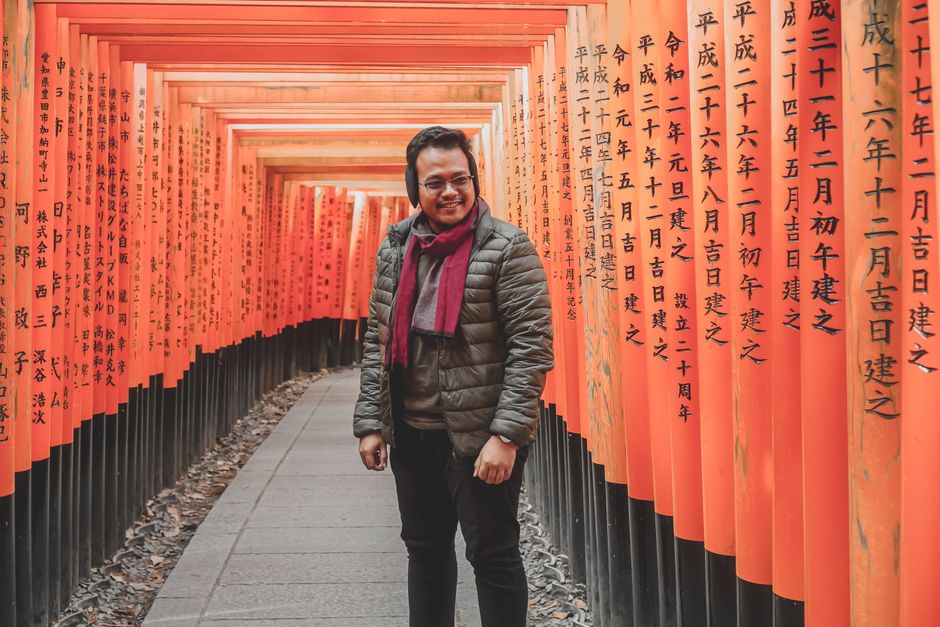
Start at Shoden-ji in the far north. The bus ride alone weeds out 90% of tourists. You’ll climb a short hill through a residential neighborhood and enter a temple so quiet you can hear pine needles dropping. The main hall frames Mount Hiei perfectly through its window cutouts. This is intentional—the temple designers borrowed the mountain as part of the garden composition. Sit on the tatami for ten minutes. Nobody will rush you.
Next, Genko-an. You’re here for the ceiling. The temple used floorboards from Fushimi Castle as its ceiling boards. Those boards still bear the bloodstains of samurai who committed seppuku there in 1600. You can see the outlines of hands and feet. It’s morbid and deeply moving. The temple’s twin windows—one round for enlightenment, one square for confusion—frame different gardens depending on where you kneel.
End at Koetsu-ji, a tiny temple in the pottery village of Takagamine. The artist Hon’ami Koetsu designed this place as his retirement compound. The thatched gate is the only original structure, but the bamboo grove and stone garden feel like someone’s private backyard. Because they were.
Where to Eat Nearby
Sarasa Nishijin, a converted bathhouse café, serves curry rice and strong coffee about 15 minutes south by bus. The tile walls are original to the sento. Get the hayashi rice—it’s been on the menu for 40 years for a reason.
Day 2 — Northeast: The Bamboo Grove Nobody Visits
Everyone goes to Arashiyama for bamboo. The result? You’re shuffling through a packed corridor staring at phone screens. Enko-ji in the northeast hills has a bamboo grove that’s smaller but completely empty. You’ll walk through it alone. The temple also has a stunning garden of sculpted azalea bushes that turn crimson in autumn, and a rock garden raked into patterns that mimic flowing water.
Before Enko-ji, hit Manshu-in. The temple’s painted sliding doors by Kano Eitoku feature gold-leafed cranes and pine trees. You can photograph them—no flash—and the attendants actually encourage you to sit and sketch if you carry a notebook. The dry waterfall garden outside the main hall uses stones arranged to suggest cascading water. It works.
End your day at Sekizan Zen-in. This working temple sits at the base of Mount Hiei and feels like a secret clubhouse. The garden is a mossy hillside dotted with stone lanterns and a small pond. The priest might offer you matcha if he’s not busy with morning prayers. Don’t expect this—but accept if it happens.
Day 3 — East: Gardens That Changed Landscape Design
Murin-an is a Meiji-era villa garden that looks like a painting you can walk through. The designer, Ogawa Jihei, used the Higashiyama mountains as borrowed scenery and built a stream that flows through the entire property. You can sit on the veranda for an hour with a ¥600 matcha set and watch the light change on the water. This garden influenced basically every modern Japanese landscape architect. It costs ¥600 to enter. Worth triple.
Shinnyo-do requires no entry fee. Zero yen. The temple sits on a hillside with a three-tiered pagoda visible from the main hall. In autumn, the maple tunnel leading to the gate turns into a fire corridor. Even in summer, the temple feels cool and shaded. Monks chant sutras at 6 AM and 3 PM if you want the full sensory experience.
Konchi-in inside the Nanzen-ji complex has the famous “crane and turtle” rock garden designed by Kobori Enshu. The stones are arranged so the crane appears to be taking flight. Most people storm through Nanzen-ji’s main hall and miss this sub-temple entirely. Their loss. Entry is ¥400 and the garden takes 15 minutes to appreciate properly.
Day 4 — South: The Mountain Temple You’ll Have to Earn
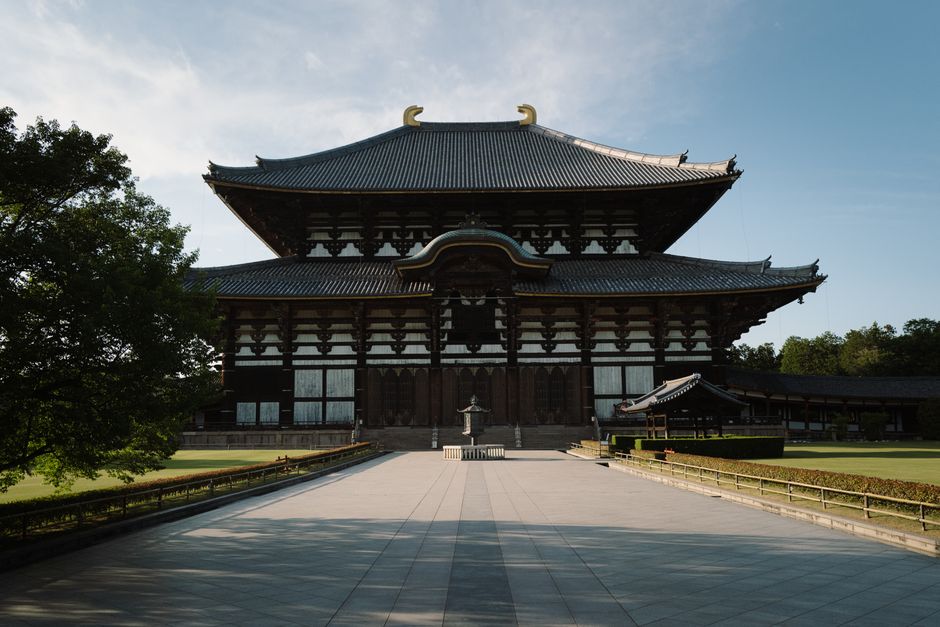
Daigo-ji is a UNESCO World Heritage site that somehow stays uncrowded. The reason: it’s a 15-minute uphill walk from the nearest station, then another 20-minute climb to the upper precinct. The lower temple has a stunning pagoda from 951 AD—Kyoto’s oldest building. The upper temple, Kami-Daigo, sits halfway up a mountain and requires a steep hike through cedar forest. Bring water. The view across Kyoto from the top is your reward. Total entry for both sections: ¥1,500.
Nearby Kajuji is a temple famous for wisteria. If you’re here in late April or early May, the purple cascades hanging from the trellis are absurdly beautiful. The rest of the year, the temple is completely empty. The garden has a pond shaped like the character for “heart” and a small tea house where you can sit unbothered for as long as you want.
Zuishin-in is the temple of Ono no Komachi, a 9th-century poet known for her beauty and her brutal love poems. The garden is planted with plum trees she supposedly favored. A small museum holds scrolls of her poetry. The temple feels feminine and melancholic in a way most Zen temples don’t. Entry is ¥500 and the walk from Ono Station takes you through a quiet residential neighborhood with zero tourist infrastructure.
Day 5 — Arashiyama Without the Madness
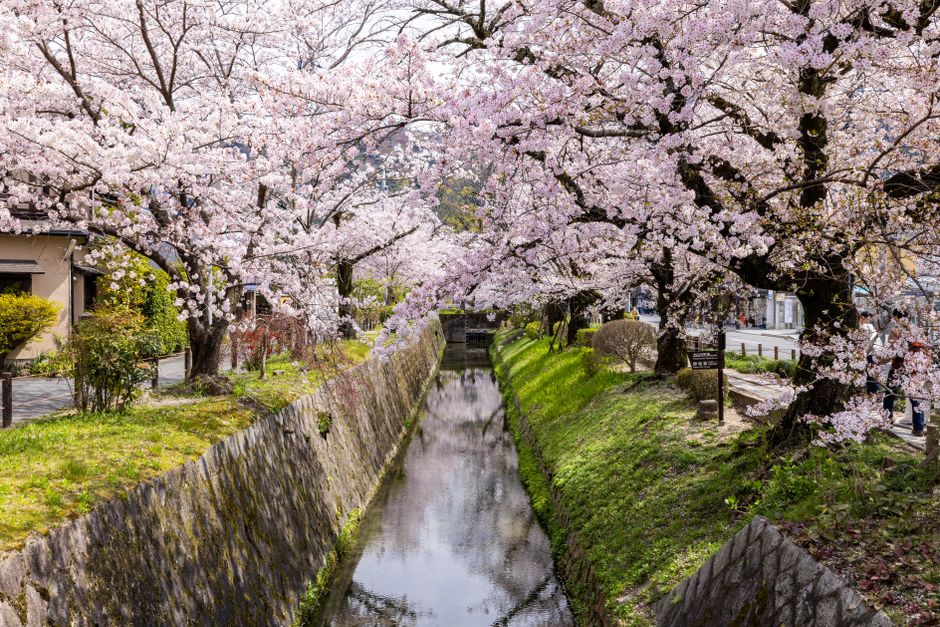
Arashiyama is a zoo by 10 AM. But the crowds cluster at three spots: the bamboo grove, Tenryu-ji, and the Togetsukyo Bridge. Walk 15 minutes north and everything changes.
- Gio-ji: A tiny temple dedicated to a tragic dancer from The Tale of the Heike. The moss garden is the real draw—thick, luminous green carpet covering everything. The thatched-roof main hall looks like it grew out of the forest floor. ¥500 entry. Go at opening time (9 AM) for solitude.
- Jojakko-ji: Climb the stone steps past 200 maple trees to a pagoda with views over Kyoto. The temple was built in 1596 and feels forgotten by time. Moss-covered stone lanterns line the paths. In November, this place rivals any famous autumn spot—with 10% of the visitors.
- Nison-in: Known for its maple tunnel entrance and the two Buddha statues in the main hall—Amida on the right, Shaka on the left. The temple cemetery holds the grave of a 13th-century emperor. The bell tower rings at noon and echoes through the valley.
Skip the rickshaw rides (¥7,000 for 30 minutes—genuinely not worth it) and spend that money on a kaiseki lunch at Shigetsu inside Tenryu-ji. The shojin ryori (Buddhist vegetarian cuisine) costs ¥3,300 and includes sesame tofu that will ruin all other tofu for you.
Three Mistakes That Will Wreck This Itinerary
Mistake 1: Sleeping in. These temples open between 8:30 and 9:00 AM. Tour groups arrive by 10:30. You have a 90-minute window of near-total solitude. Use it. Set a 7 AM alarm. Get breakfast at a konbini. Be at the first temple gate when it opens. This single habit is the difference between a transcendent experience and a mediocre one.
Mistake 2: Overpacking your days. Three temples per day is the maximum. Four and your brain turns to mush. Temple fatigue is real—by the fifth dry garden, you stop seeing them. Limit yourself to three stops, eat a proper lunch, and spend the late afternoon wandering a neighborhood like Nishijin or Okazaki without a plan.
Mistake 3: Relying on Google Maps alone for bus routes. Kyoto buses are confusing. The Kyoto Bus Navi app is more reliable for routes and real-time arrival times. Or just budget ¥1,500-2,000 per day for taxis between temples in the same quadrant. Splitting a taxi with one other person often costs less than two bus fares and saves 30 minutes.
You came to Kyoto for stillness, for the sound of a bamboo water feature cracking against stone, for the smell of incense and damp moss. That Kyoto still exists. You just have to walk 15 minutes past the bus parking lot to find it.