
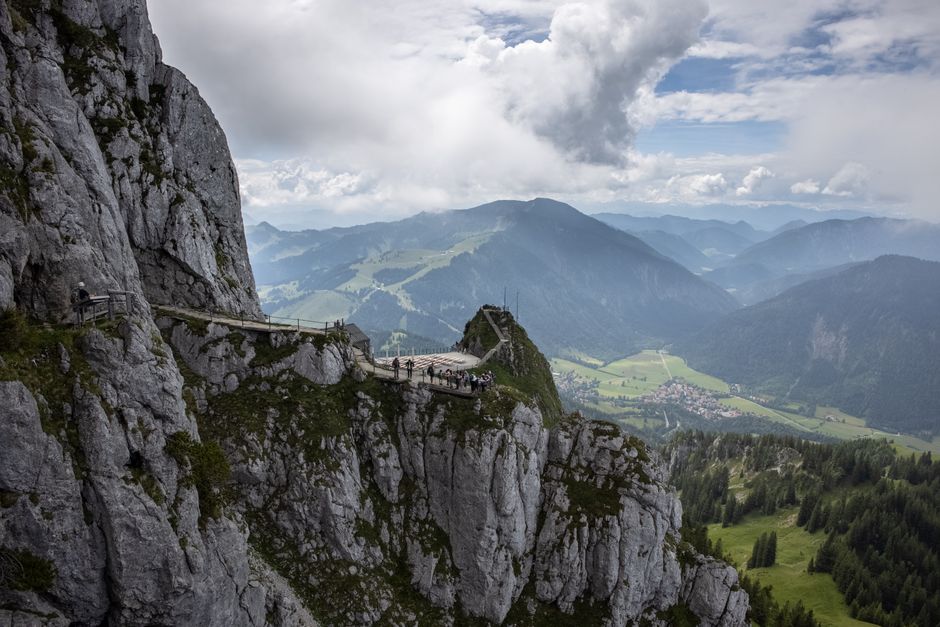
A via ferrata is not a hike with a metal handrail. The cable is part of a protected climbing system, and you must clip into it correctly while moving over exposed rock, ladders, and ledges. That difference matters most in early summer, when snow, wet limestone, closed lifts, and fast storms can change an easy route into a serious mountain day.
For a first outing, the best plan is simple: choose a short route, hire a mountain guide, start early, and treat the forecast as a firm limit rather than a suggestion.
What first-timers need to know before a Dolomites via ferrata
The main problem a via ferrata solves is exposure. Steel cables, steps, pegs, and ladders give you a protected line across terrain that would otherwise require traditional climbing skills. They do not remove the need for balance, route-finding, weather judgment, or basic rope-system knowledge.
The cable is not a handrail
A beginner often grabs the cable with both hands and pulls upward. That wastes energy and can create a dangerous tangle. Your two via ferrata lanyards should remain clipped to the cable, usually with both carabiners on the same section. When you reach an anchor, move one carabiner at a time past the connection point, then move the second. Never unclip both at once.
Keep your body close to the rock, use your legs for upward movement, and pause before every cable junction. On a ladder, let the person above gain space before you climb. A fall on a via ferrata can still cause severe injury because the energy absorber needs room to deploy.
Why early summer needs extra judgment
June and early July can offer quiet trails and comfortable valley temperatures, but high ledges may still hold snow. Snow hides footholds, covers route markings, and makes steel cables icy. Meltwater can turn polished limestone slick before breakfast. Afternoon thunderstorms also build quickly around the high passes.
That makes a low or mid-elevation route the right first choice. A dry, short route near an open road is more useful than a famous high route that forces you to retreat through snow.
Which Dolomites via ferrata is best for a first ascent?
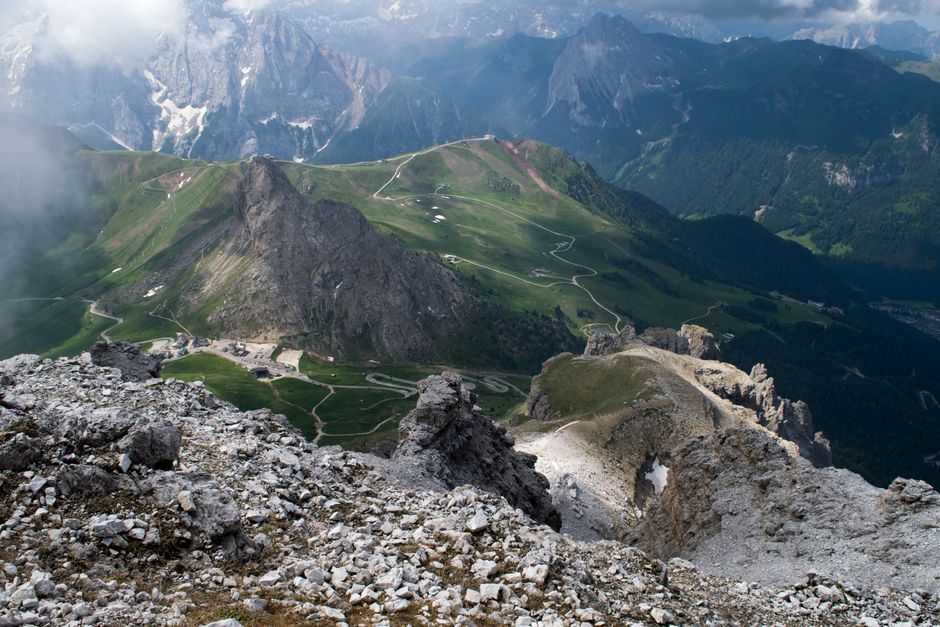
My first-timer pick is Gran Cir near Passo Gardena. It is short enough to manage, scenic enough to feel special, and close to roads and mountain services. The route still has exposure, so it teaches the real skills without demanding a full day of sustained climbing.
Route comparison for an early-summer first day
| Route | Typical time | Difficulty | Best use | Early-summer concern |
|---|---|---|---|---|
| Gran Cir | 2–3 hours round trip | Easy to moderate | Best first protected climb | Snow on the north-facing approach |
| Via ferrata Averau | 3–4 hours | Moderate | Second outing with good exposure | Lift and trail opening dates |
| Col dei Bos | 4–5 hours | Moderate | Longer day with history and views | Loose rock and afternoon storms |
| Brigata Tridentina | 5–7 hours | Hard | Experienced parties only | Traffic, exposure, and retreat problems |
Routes to postpone
Skip Brigata Tridentina, Via ferrata delle Trincee, and long high-level traverses for your first attempt. Their difficulty comes from more than vertical height. You may face sustained exposure, crowded ladders, awkward traverses, limited escape points, and a long walk back if your pace drops.
Route grades also vary by guidebook and country. A route marked moderate can feel hard in wet boots or with a heavy pack. Check the approach, descent, total elevation gain, escape options, and last safe exit, not just the grade on a map. For early summer, ask a local guide or mountain hut about actual snow conditions within 24 hours of departure.
How to prepare for an early-summer start
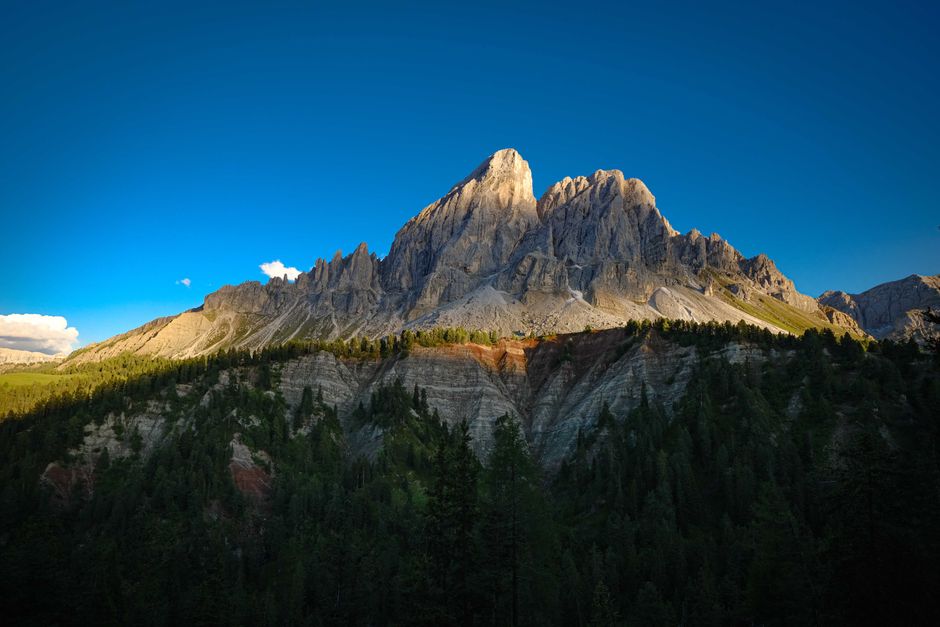
Use a simple schedule. Most first-timers lose time before the climb begins, then reach the exposed section when storms are forming. A disciplined morning protects your margin.
Forty-eight hours before the route
- Check the official mountain weather forecast for the exact valley and ridge, not only the nearest city.
- Ask a guide, hut warden, or local alpine club about snow on the approach, cable damage, and seasonal closures.
- Confirm lift and road opening dates. A route that looks short on a summer map may require a much longer walk before the lift runs.
- Choose a turnaround time. If you have not reached the key section by that time, descend.
- Reserve a guide for a first route if the forecast is mixed, the route is exposed, or nobody in your group has used a ferrata set.
On the morning of the climb
Start early enough to finish the exposed terrain before the normal afternoon storm cycle. Eat before the trailhead and carry water rather than relying on a hut being open. At the first cable, check every harness buckle, lanyard connection, carabiner gate, and helmet strap. Practice clipping around one anchor on easy ground.
Keep at least one full cable span between groups when possible. If you hear thunder, see lightning, or feel the rock becoming slick, turn around immediately. Do not wait to see if the storm passes. The safest route is the one that leaves you with daylight and energy for the descent.
The mistakes that turn an easy ferrata into a bad day
The biggest failure is choosing a route from photographs. Dolomite images hide approach trails, descent paths, loose gullies, and the time needed to move safely through a crowded section. A route can look short on a map and still take six hours when the group stops at every anchor.
Five mistakes worth avoiding
- Clipping both carabiners past an anchor together. Move them one at a time so you remain attached to the cable.
- Starting with a heavy backpack. Keep the load close to your body and remove items you do not need. A 10 kg pack makes ladders and traverses far more tiring than a 5 kg pack.
- Following a faster group. Their pace, fitness, and experience tell you nothing about your own reserve.
- Ignoring the descent. The return can include loose scree, snowfields, or steep down-climbing. Read the descent description before leaving the car.
- Treating a guidebook grade as a guarantee. Wet rock, cold hands, traffic, and poor visibility can raise the practical difficulty by a full level.
Snow and storms change the safety calculation
Early-season snow is especially risky on traverses. A thin patch may look harmless but can force your feet onto the cable, where balance becomes poor. Do not cross a snow slope above a cliff just because the ferrata cable continues on the other side. Retreat or choose a lower route.
Lightning is another hard stop. Steel cables, ladders, and exposed summits are poor places to wait out a storm. If the forecast gives a high chance of thunderstorms, choose a valley hike, a museum day, or a lower trail instead. Skipping one route costs less than forcing a retreat in darkness.
Should a first-timer hire a Dolomites mountain guide?
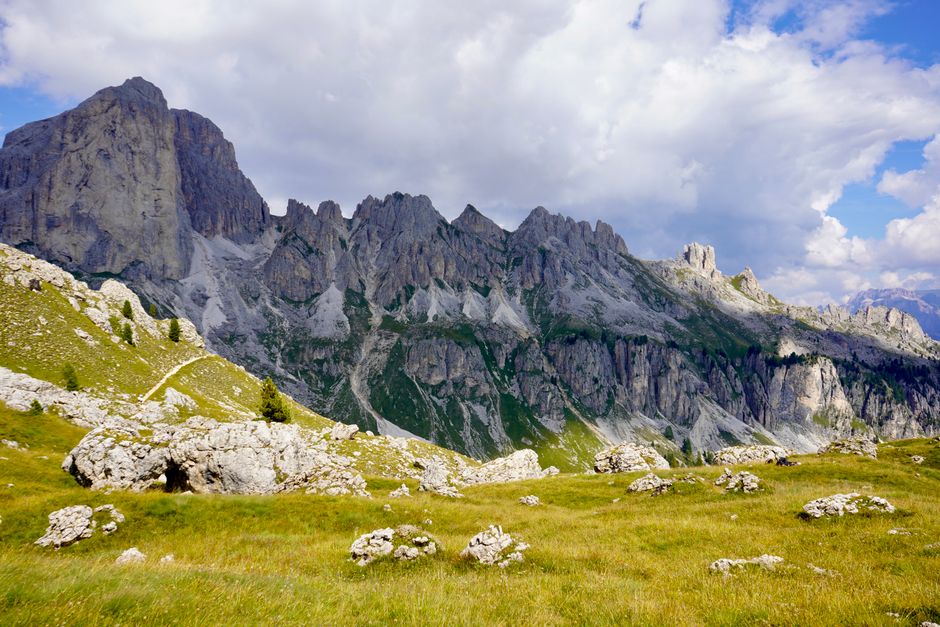
Yes, for a first via ferrata, a guide is the best purchase. A UIAGM or local alpine guide can match the route to your fitness, confirm conditions, teach clipping technique, and change the plan when snow or storms make the original route wrong.
How much experience is enough to go alone?
Go self-guided only after every person in the group can inspect a harness, move both carabiners correctly, keep safe spacing, read the route description, and make a calm retreat decision. One confident person does not automatically make the group safe. Everyone needs to understand the system.
When should you choose a normal hike instead?
Choose a normal hike if you dislike heights, have a recent hand or shoulder injury, feel uncomfortable with exposure, or cannot accept turning around. A panoramic trail around Alpe di Siusi or Lago di Braies can deliver the Dolomite landscape without forcing you onto a cable. The best alternative is the one you can enjoy without spending the day fighting fear or fatigue.
A guided half-day on Gran Cir is usually more useful than an unguided full-day attempt on a famous route. You will learn a repeatable skill and finish with enough energy to remember the scenery.
The best first-timer plan for early summer 2026
Keep the first day deliberately modest. Plan two to three hours on the route, plus extra time for the approach, instruction, photographs, and descent.
A practical kit and schedule
Rent or bring a certified ferrata set such as the Petzl Scorpio EASHOOK or Edelrid Cable Kit Lite II. Add a CE EN 12492 helmet such as the Black Diamond Half Dome, a well-fitting harness, gloves, firm approach shoes, a light waterproof shell, and a headlamp. Carry enough water and food for at least six hours, even when the route itself should take less.
Start before 8 a.m., check the cable system at the first anchor, and leave the route before clouds build. If Gran Cir is snowy, wet, crowded, or closed, do not force the plan. Move to a lower guided route or postpone the ferrata.
The clear recommendation
For a first via ferrata in the Dolomites in early summer, choose Gran Cir with a certified mountain guide, use a certified energy-absorbing set, and make dry weather plus an early turnaround your non-negotiable limits. That combination gives you the best balance of real exposure, manageable effort, and a safe way to learn the sport.