
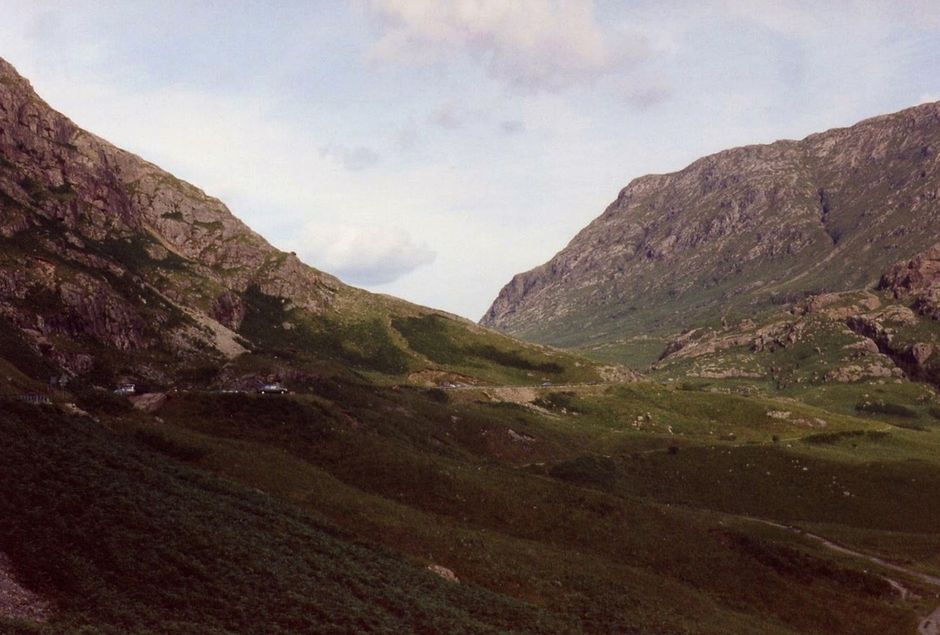
Are you trying to fit lochs, glens, mountain roads and long evening walks into one Scottish Highlands road trip without spending the whole holiday behind the wheel? Late spring gives you the best balance of daylight, open attractions and manageable crowds, but only if you build the route around slow roads and changing weather.
Why late spring works for a Scottish Highlands road trip
Late spring gives you time, not guaranteed sunshine
Late spring means more daylight for short walks and scenic stops. Around Inverness, daylight lasts about 15 hours 35 minutes on 1 May and more than 17 hours by the end of May. On 6 June 2026, the sun rises at about 4:23am and sets around 10:08pm. You do not need to drive for that entire window. The real advantage is flexibility: a wet morning can become a clear evening, and you can move a viewpoint or waterfall to the better part of the day.
May usually offers a quieter road experience than June. June gives you longer evenings and a better chance of settled conditions, but popular stops around Glencoe, Eilean Donan and Skye become busier. My verdict is simple: choose the second half of May for a calmer trip, or the first half of June if long walks and late sunsets matter more.
Use the light for stops, not extra mileage
| Period | Approximate daylight near Inverness | Best use | Main watch-out |
|---|---|---|---|
| 1 May 2026 | 15 hours 35 minutes | Loch-side walks after arrival | Cool mornings and wet hills |
| 15 May 2026 | 16 hours 36 minutes | Long scenic afternoons | Busy weekend accommodation |
| 31 May 2026 | 17 hours 31 minutes | Sunset viewpoints and late dinners | Midges near still water |
| 6 June 2026 | 17 hours 45 minutes | Full hill-walking days | Higher visitor numbers |
Late spring is not a dry-season guarantee. Pack for rain, wind and sun in the same day, then treat the forecast as a route-planning tool rather than a promise. The VisitScotland midge guidance also matters from May onward, especially beside calm lochs and in damp western glens.
The best late-spring verdict: choose fewer bases
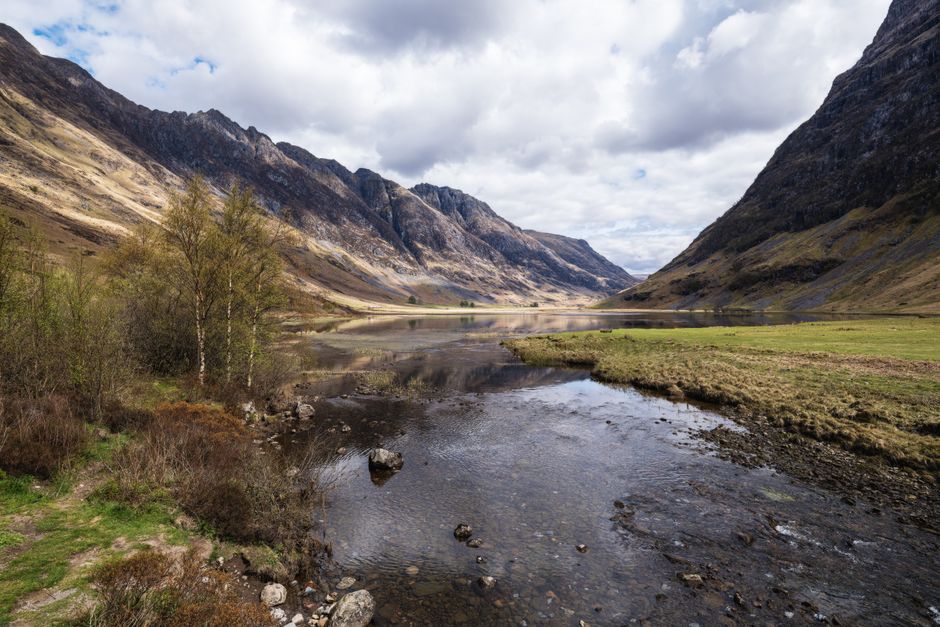
Do not change accommodation every night. A Highlands road trip feels longer than the map suggests because many roads curve around lochs, climb slowly and narrow into single-track sections. Three bases work better than six: Inverness or the nearby Loch Ness area for the opening, Fort William for Glencoe and Glenfinnan, then Applecross or Ullapool for the north-west. This arrangement gives you scenic drives without turning every morning into a luggage move.
Leave the road by mid-afternoon when the weather looks promising, then walk, eat and watch the light from one place. That choice produces better photographs and fewer rushed stops than chasing every famous viewpoint. The strongest version of this trip is not the one with the most pins on a map; it is the one that leaves enough time for a rainy café, a short woodland trail and one unplanned pull-in beside a loch.
How to build a seven-day loch-and-glen loop
Days 1 and 2: start with Loch Ness and Glen Affric
Begin in Inverness rather than driving straight into the west. That gives you an easy first day after a flight or train journey and a practical place to buy food, fuel and walking supplies. Drive south along Loch Ness, stop at a viewpoint near Drumnadrochit, then continue towards Glen Affric. The whole loop can cover roughly 70 miles, but allow six hours once you add walks, photographs and slow traffic.
Stay near Inverness or Cannich for the first night. On day two, take the quieter route west through Glen Affric before heading towards Fort William. The drive is about 100 miles and can take three hours without stops. Add time for a short forest walk and a pause at Loch Garry. This is a strong opening because the landscape changes from broad water to pine forest and then to larger mountain valleys.
Days 3 and 4: give Glencoe and Glenfinnan their own time
Use Fort William as a two-night base. Spend day three in Glencoe instead of treating it as a roadside photograph. Walk the lower section of the Lost Valley route only if the ground is safe and you have proper footwear; otherwise choose a shorter path near the Three Sisters. Add Rannoch Moor viewpoints, but do not promise yourself every pull-in. Parking fills quickly and stopping in unsafe places creates a hazard.
On day four, drive towards Glenfinnan and Mallaig. The return journey is roughly 100 miles, but the road can occupy most of the day. The Glenfinnan Viaduct viewpoint, the loch shore and the road west all deserve time. Check any train or attraction timetable before building the day around a passing service. The scenery remains worthwhile even when the timing does not line up.
Days 5 to 7: take the slow north-west route home
- Day five: drive from Fort William to Applecross via Eilean Donan and the A890. Allow at least five hours of driving time with stops. Book Applecross accommodation early and do not attempt the Bealach na Bà if conditions or your driving confidence are poor.
- Day six: travel from Applecross through Torridon towards Ullapool. This is a scenery-first day, so plan one proper walk and several short viewpoints rather than a long list of attractions.
- Day seven: return to Inverness through Loch Maree or along the A835. Allow four hours before any airport or rail connection. If you must catch an early departure, sleep in Inverness on day six instead of gambling on a remote final night.
This route works because it protects the trip’s slowest roads from tight deadlines. It also gives you an exit plan when rain closes a high pass or a ferry disruption changes your schedule.
What to pack and hire for Highland roads
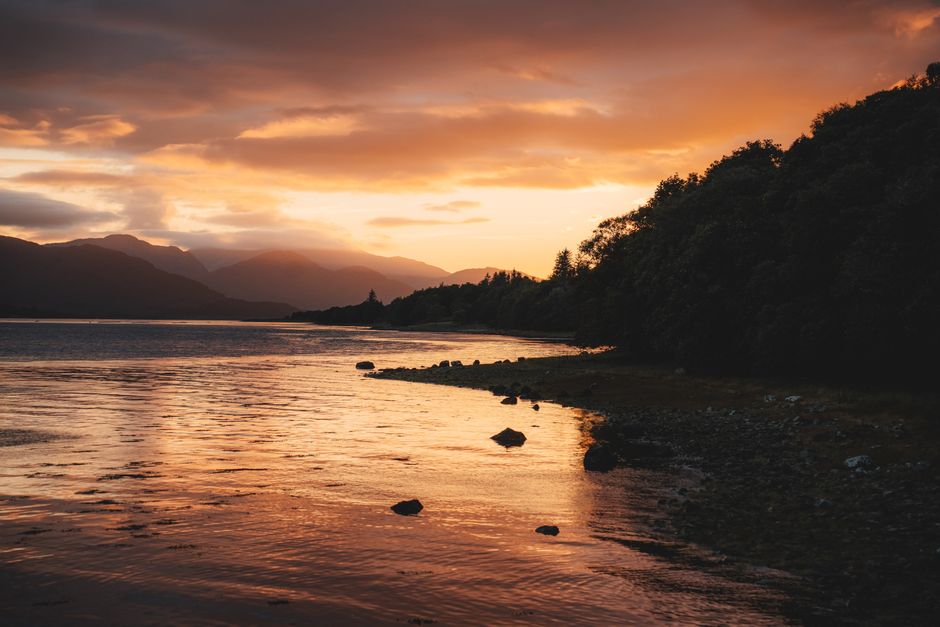
Spend money on navigation and weather protection before buying extra camera gear. A late-spring Highlands trip fails when a phone loses signal, wet clothing stays wet, or a driver follows a fast route that ignores road width and passing places. You do not need expedition equipment, but you do need dependable basics.
- Mapping: Ordnance Survey OS Maps Premium costs £34.99 for an annual subscription on the OS Maps site and supports offline route downloads. Download every walking area before leaving accommodation. For a paper backup, an OS Explorer Active map costs about £16.99 and uses a 1:25,000 scale that shows paths, contours and car parks.
- Emergency contact: A Garmin inReach Mini 2 costs roughly £350 before its satellite subscription. It is useful for remote walks with no mobile coverage, but it is excessive for a short trip that stays close to main roads and busy villages. A charged phone, offline maps and a written route left with your accommodation may be enough for most visitors.
- Rain protection: A Rab Downpour Eco jacket is usually priced around £150 and packs small enough for a day bag. A cheaper waterproof shell still works if it has a real hood, sealed seams and room for a warm layer underneath. The brand matters less than those features.
- Car choice: Hire the smallest vehicle that fits your luggage. A compact Toyota Yaris or similar is easier on narrow roads than a large SUV. Do not choose a campervan simply to save on accommodation unless you already know how to handle its width on single-track roads.
- Midge control: Carry repellent, light long sleeves and a small head net. Midges are most active around dawn and dusk in calm, damp places, so an evening beside a loch may require more protection than a windy hilltop.
Traffic Scotland advises drivers to use passing places correctly and never park in them. Pull into a passing place on your left when safe, or wait opposite one on your right. The official visitor driving advice is worth reading before tackling Applecross, Skye or any remote single-track road.
Which Highlands route suits your time and driving confidence?
Is May or June better?
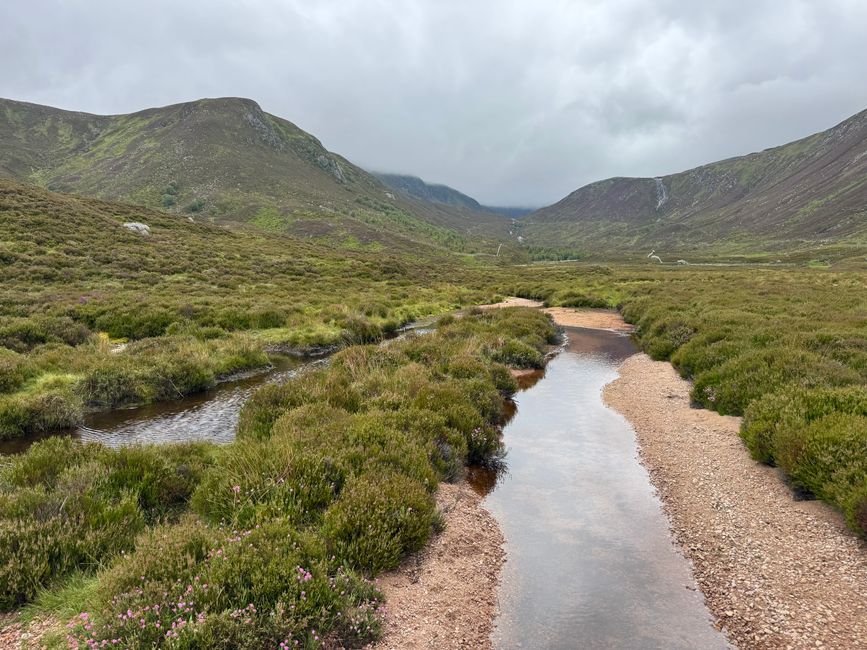
Choose May for quieter roads, lower crowd pressure and a better chance of finding last-minute tables or rooms. Choose early June for longer walks and warmer-feeling evenings. My pick for most first-time visitors is the second half of May because it keeps the route calmer while still giving you enough daylight for a full day outside.
Should you add the Isle of Skye?
Add Skye only when you have at least two nights there. A single-night detour turns the island into a checklist and adds pressure to the already slow A87. For a seven-day trip focused on lochs and glens, Applecross, Torridon and Glen Affric offer a better balance. Save Skye for a separate trip unless its landscapes are your main reason for visiting.
What is the clearest route choice?
For a first trip, choose the Inverness, Glen Affric, Fort William, Glencoe, Glenfinnan, Applecross and Ullapool loop. It gives you woodland, lochs, mountain valleys, coastal scenery and long evening light without forcing every day into a four-hour transfer.
| Trip priority | Best choice | Why |
|---|---|---|
| Quiet roads and flexible stops | Late May | Good daylight with less summer pressure |
| Longest evenings | Early June | Nearly 18 hours of daylight near Inverness |
| Short holiday | Inverness and Fort William only | Less time lost to long transfers |
| Remote scenery | Applecross and Torridon | More dramatic roads and fewer urban stops |
| First-time driver | Loch Ness, Glen Affric and Glencoe | Fewer demanding single-track sections |