
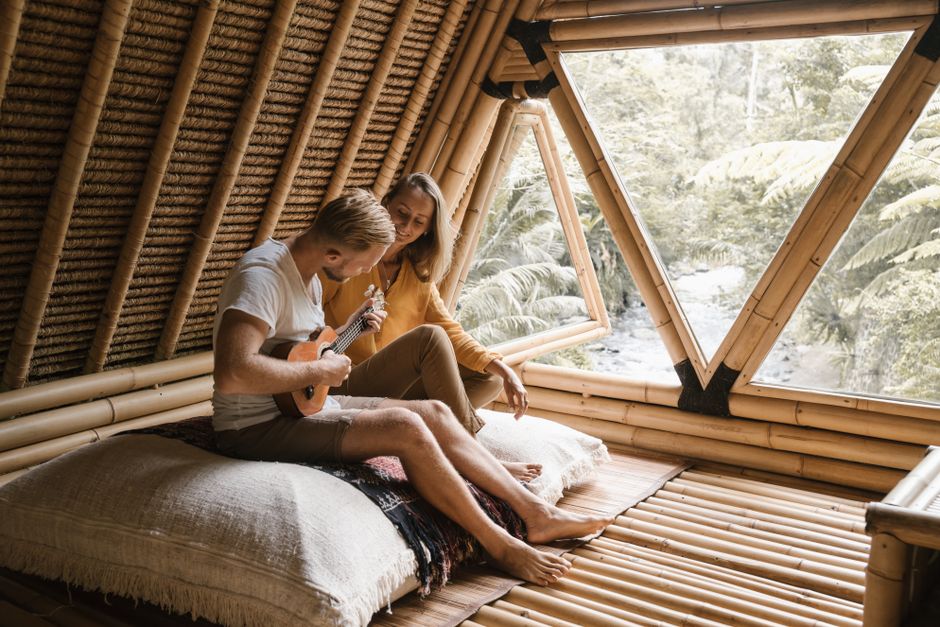
Here’s the dead giveaway: a bamboo straw in your welcome drink and a sign asking you to reuse your towel. That’s it. That’s the entire sustainability program.
Real eco-hostels are different. They have solar water heaters on the roof you can actually see. They compost food waste out back. They employ local staff at fair wages and can tell you exactly where their building materials came from.
I’ve stayed in dozens across Thailand, Vietnam, Cambodia, and Laos. Most fail the sniff test immediately. These seven pass. All under $25 a night in 2026. All doing something that actually matters.
The Quick Verdict: Which One’s Right for You?
Skip the analysis paralysis. Here’s the 30-second breakdown.
If you want the best overall eco-hostel, period: The Yard Hostel in Bangkok. Solar-powered, built from shipping containers, genuine community vibe. Book the garden pod.
If you’re a digital nomad who needs reliable WiFi and sustainability: Lub d Cambodia Siem Reap. They run on 70% solar, have a proper co-working space, and the pool uses a saltwater system instead of chlorine.
If you’re on a $12 budget and still want eco-cred: Easy Tiger in Phong Nha, Vietnam. Solar showers, local employment, and they fund a community clean-up crew that pulls plastic out of the river weekly.
| Hostel | Location | Price/Night (USD) | Real Eco Action | Best For |
|---|---|---|---|---|
| The Yard Hostel | Bangkok, Thailand | $22-25 | Shipping container build, solar, greywater garden | Solo travelers, social vibe |
| Lub d Cambodia Siem Reap | Siem Reap, Cambodia | $8-20 | 70% solar, saltwater pool, no single-use plastic | Digital nomads, couples |
| Easy Tiger | Phong Nha, Vietnam | $8-12 | Solar showers, river clean-up crew, local staff only | Backpackers, adventurers |
| Bamboo Eco Hostel | Chiang Mai, Thailand | $6-10 | Bamboo construction, organic farm, composting | Budget purists, nature lovers |
| Kampot River Residence | Kampot, Cambodia | $10-15 | Mangrove replanting, kayak clean-ups, solar | Kayakers, slow travelers |
| Nui’s Eco Lodge | Cat Ba Island, Vietnam | $12-18 | Plastic-free, rainwater harvesting, local guides | Hikers, island explorers |
| The Hideout | El Nido, Philippines | $15-22 | Coral restoration partnership, reef-safe products | Divers, snorkelers |
How to Spot Greenwashing in 60 Seconds
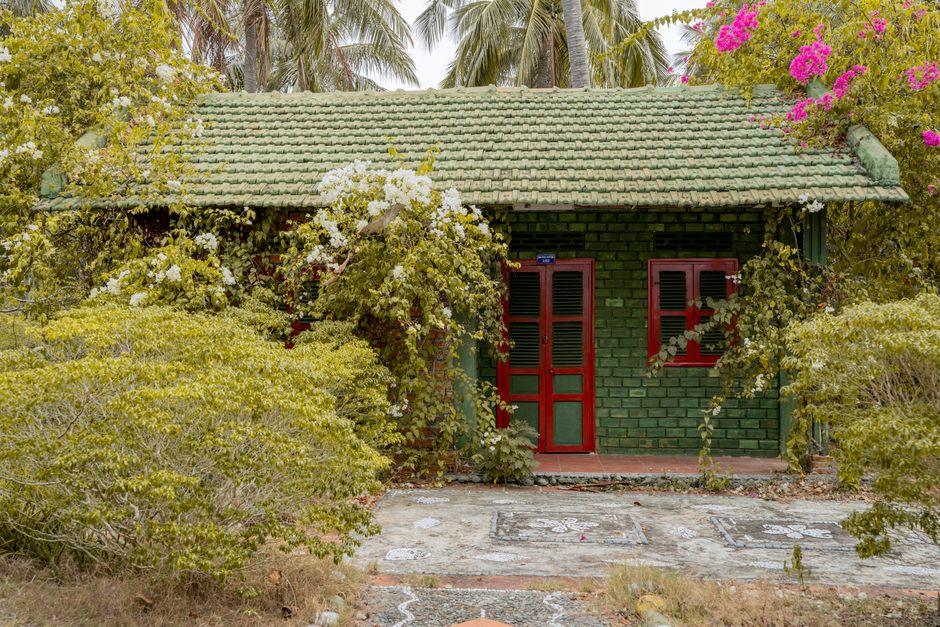
Hostels know travelers are searching for “eco-friendly” now. So they slap the word on their Hostelworld listing and call it a day.
Here’s what to look for before booking:
- Specifics over adjectives. “Sustainable” means nothing. “80% solar-powered with battery storage installed March 2026” means something. If the listing is vague, they’re hiding.
- Photos of the actual systems. Do they show the solar panels? The compost bins? The water filtration? Or just attractive people drinking from coconuts?
- Staff answers. Message them. Ask: “What percentage of your energy comes from renewables?” If they can’t answer within a day, move on.
- Single-use plastic presence. Walk into the common area. If there’s a plastic-wrapped snack bar or mini shampoo bottles in the bathroom, their eco-claims are decoration.
One more thing: a hostel that’s genuinely eco-friendly is usually slightly more expensive than its competitors. Building with bamboo costs more than concrete blocks. Solar isn’t free to install. If the price seems impossibly low, the eco-claim probably is too.
The Yard Hostel Bangkok: The Container That Started It All
The Yard doesn’t just talk about upcycling. The entire hostel is built from repurposed shipping containers stacked around a garden courtyard. You sleep in a converted container with proper insulation, air conditioning, and a comfortable mattress. It’s not a gimmick.
The garden isn’t decorative. It’s a greywater filtration system. Water from the showers and sinks feeds into planted gravel beds that filter it naturally before it reaches the groundwater. The plants are all native species that require zero irrigation beyond what the greywater provides.
Power comes from rooftop solar panels installed in 2026. On sunny days—which is most days in Bangkok—they run entirely off-grid. The backup grid connection exists but rarely kicks in.
Dorm beds start at $22. Private container pods with garden views hit $25. That’s the top of our budget, but you’re paying for something real.
What could be better: The location in Ari is residential and quiet, which is great for sleep but means a 15-minute Grab ride to the tourist chaos of Khao San Road. Not a downside for me. Might be for you.
Lub d Cambodia Siem Reap: The One That Surprised Me
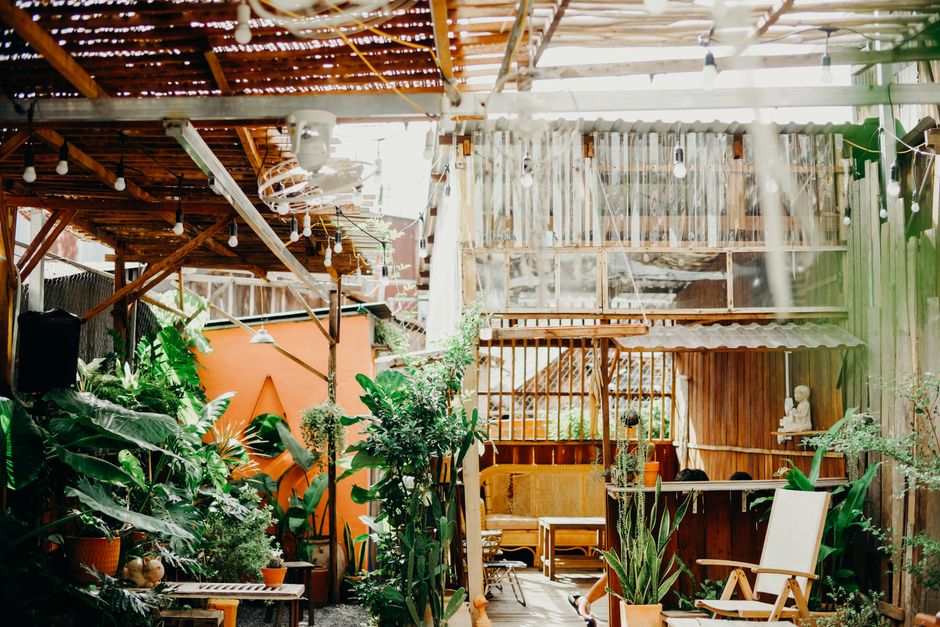
I expected a chain-hostel experience. Lub d has locations across Southeast Asia, and chains usually standardize the soul out of a place. Siem Reap is different.
They built this location from the ground up with sustainability as the brief. Seventy percent of annual energy consumption comes from a solar array visible from the rooftop bar. The swimming pool uses a saltwater electrolysis system instead of chlorine—better for your skin and the water table when they backwash.
The co-working space is genuinely good. Fast WiFi, proper desks, and enough outlets that nobody’s fighting for the one plug behind the potted plant. Digital nomads camp here for weeks. Dorm beds start at $8, private rooms at $20.
The one failure point: the rooftop bar still serves drinks in plastic cups during busy nights. They say they’re “phasing it out.” In 2026, that phase-out should be complete. Ask when you book.
Easy Tiger Phong Nha: Beer, Caves, and River Clean-Ups
Phong Nha is cave country. The world’s largest cave, Hang Son Doong, is here. Easy Tiger sits right on the river, and from the balcony, you can watch the karst mountains do their Jurassic Park impression across the water.
The eco-angle isn’t high-tech. It’s practical. Solar thermal tubes on the roof heat all the shower water. They employ exclusively local staff from the Phong Nha area—no foreign volunteers taking jobs a local could do. And they fund a weekly river clean-up crew. Every Saturday morning, staff and guests wade into the Son River and pull out plastic. The hostel provides bags and gloves. You get a free beer after.
Dorm beds are $8-12. Private rooms top out at $25. The attached bar is the social hub of the entire town, which means quiet hours are… loosely enforced. Bring earplugs.
The trade-off: The eco-initiatives are real but limited in scope. No greywater system. No composting. If you want the most comprehensive sustainability program, pick The Yard. If you want a $10 bed in a stunning location with a hostel that’s genuinely trying, Easy Tiger delivers.
Bamboo Eco Hostel Chiang Mai: The $6 Question
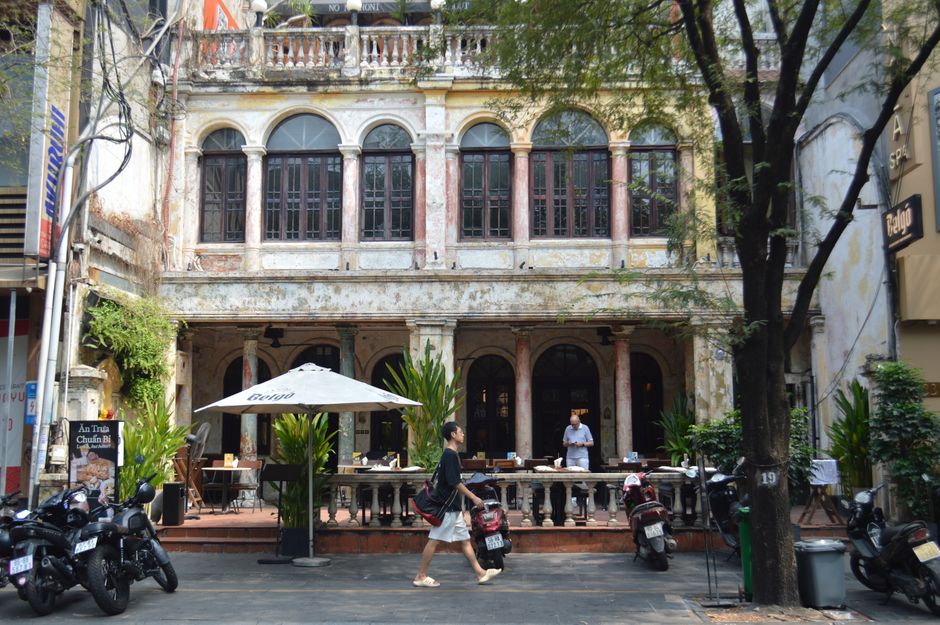
Six dollars. That’s the cheapest bed on this list. And somehow, Bamboo Eco Hostel in Chiang Mai does more than hostels charging four times as much.
The entire structure is bamboo construction—not bamboo decoration over a concrete frame. Actual load-bearing bamboo, treated against pests, designed by a local architect who specializes in traditional Lanna building techniques. It stays cool without air conditioning for most of the year. Ceiling fans handle the rest.
Out back, there’s a small organic farm. They grow herbs, vegetables, and some fruit. Guests can pick and cook. Food scraps go into a three-bin compost system that produces soil for the farm. It’s a closed loop.
Downsides: it’s 20 minutes outside the Old City. You’ll need a scooter rental (they can arrange one for $5/day). WiFi is fine for messaging but struggles with video calls. And the mattresses are firm—Thai-style firm. If you need a pillow-top, stay elsewhere.
But for six dollars? You’re getting a genuine eco-experience, not a marketing slide deck.
When an Eco-Hostel Isn’t Worth It
Sometimes the sustainable choice is a regular hostel. Hear me out.
An eco-hostel 15 kilometers from everything means you’re renting a motorbike or taking tuk-tuks daily. That fuel burn might outweigh the hostel’s solar panels. A well-located conventional hostel where you walk everywhere can have a lower total footprint.
Also: if the eco-hostel’s sustainability program is entirely guest-facing (bamboo straws, towel policies) with zero back-of-house action (energy, water, waste, employment), you’re paying a premium for theater. Book the cheaper conventional place and donate the difference to a local environmental group.
And some eco-hostels enforce rules that make the stay worse. Cold showers to save energy when the ambient temperature is 15°C. Mosquito nets instead of window screens because “chemicals are bad.” Know your tolerance. A night of no sleep and 40 mosquito bites isn’t saving the planet.
How to Book These Without Getting Burned
Hostelworld and Booking.com listings get stale fast. A hostel that was genuinely eco-friendly in 2026 might have changed ownership and dropped every program by 2026.
Here’s the booking workflow I use:
- Find the hostel on Hostelworld. Read only the most recent reviews, sorted by “newest first.” Look for mentions of the eco-features. If nobody’s talking about the solar panels or the garden in the last three months, they might not exist anymore.
- Cross-check Google Maps photos. Guests post unfiltered pictures. Look for the solar panels. Look for the compost bins. If the photos from 2026 show a courtyard that was a garden in 2026 listing photos, something changed.
- Message the hostel directly. Ask one specific question: “Is your greywater system still operational?” or “What percentage of your energy came from solar last month?” The answer tells you everything. A detailed response = they’re engaged. A vague “we care about the environment!” = they don’t.
- Book directly if possible. Hostelworld takes a 15-20% commission. That’s money leaving the local economy. If the hostel has a direct booking website, use it. You’ll often get a better rate, and they keep more revenue.
One final tip: bring a reusable water bottle. Every hostel on this list has filtered water refill stations. In Southeast Asia’s heat, you’ll drink 3-4 liters a day. That’s 12 plastic bottles avoided per day. Across a two-week trip, you’ve personally prevented 168 bottles from entering the waste stream. The bottle pays for itself in avoided water purchases by day three.
The eco-hostel movement in Southeast Asia is real, but it’s also a marketing gold rush. The seven hostels above are doing the work. They’ve got the solar panels, the composting, the local employment, and the receipts to prove it. Pick one that matches your travel style, book direct, and bring that water bottle.