

Jet lag is a timing problem, not a test of willpower. Crossing several time zones can leave your internal clock out of step with local daylight, meals, and bedtime. No state laws are discussed here; this page covers travel habits and general health information. This is not legal advice — consult a licensed attorney.
What jet lag actually is—and what fixes it
Your body clock follows more than the clock on the wall
Jet lag happens when your sleep-wake rhythm still follows your departure time after the aircraft has carried you into a new time zone. Your brain uses light as its strongest timing signal, while meals, movement, temperature, and social activity provide smaller signals. A flight from New York to Rome can land at 7:00 a.m. local time while your body reads the moment as 1:00 a.m. The result may include poor sleep, daytime exhaustion, stomach upset, irritability, and trouble concentrating.
The first useful correction is simple: set your watch to destination time when you board, then make decisions from that clock. Do not treat the cabin clock as a suggestion. If it is nighttime at your destination, lower stimulation and protect sleep. If it is daytime, use light, water, gentle movement, and a modest meal to signal wakefulness. The CDC Yellow Book guidance on jet lag also points travelers toward timed sleep, light exposure, caffeine, and medical advice when needed.
The best first principle is timing, not exhaustion
Trying to stay awake for 20 hours before departure can backfire. Sleep loss adds travel fatigue to circadian disruption, so you arrive tired and still out of phase. The stronger plan is to shift bedtime and wake time by 30 to 60 minutes for two or three days before departure, if your schedule allows. That small move gives your body a head start without demanding a perfect reset.
Verdict: for most summer travelers, timed light and a realistic sleep plan beat heroic sleep deprivation. Expect improvement over several days, not an instant reset after one airport coffee.
Build the routine three days before departure
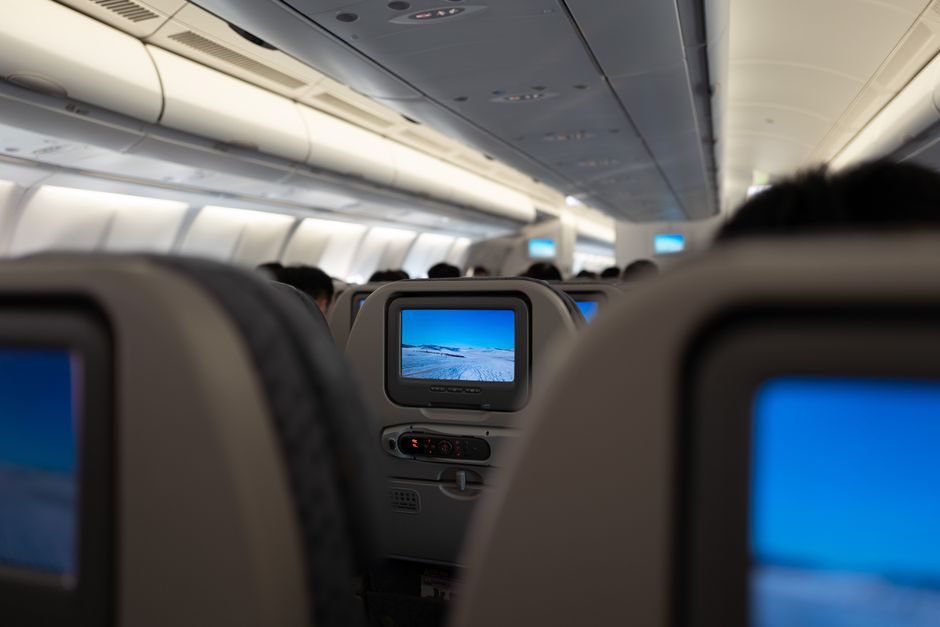
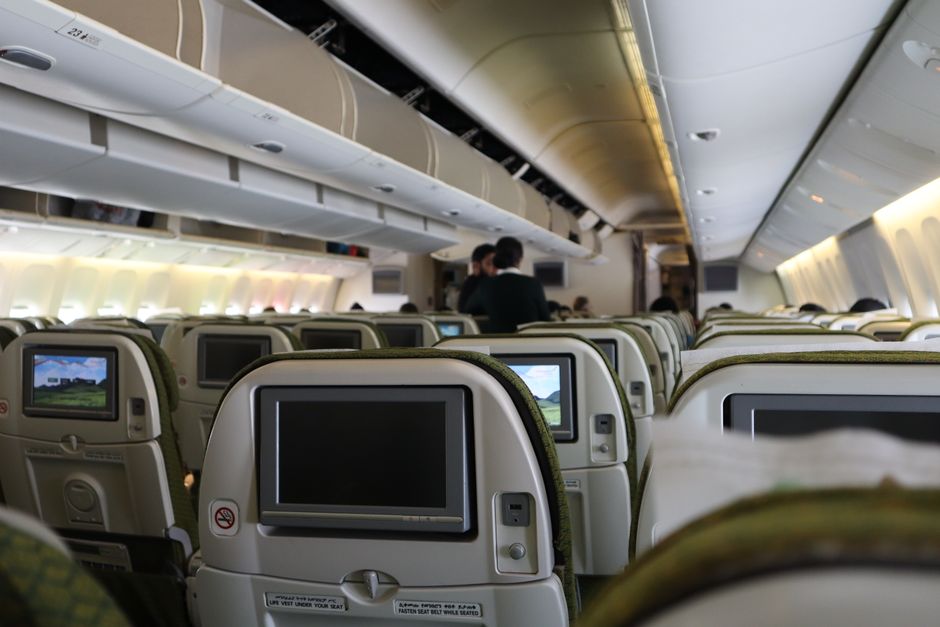
Start with the destination time zone and work backward. Eastbound trips usually require an earlier sleep period; westbound trips usually require a later one. The exact light plan changes with the route, so travelers with complex itineraries should use a clinician-approved plan or the CDC jet lag calculator rather than guessing with bright light or melatonin.
- Three days out: Move bedtime and wake time 30 minutes toward the destination. Keep the change small enough that you can still work, drive, and function safely.
- Two days out: Repeat the shift. Put your phone alarm, meals, and exercise near the new schedule instead of relying on bedtime alone.
- One day out: Pack a sleep kit, finish urgent tasks, and protect a normal night of sleep. Do not trade five hours of sleep for a last-minute packing marathon.
- At the airport: Switch your watch to destination time. Eat a normal meal, limit alcohol, and use caffeine only if it supports the destination schedule.
- During boarding and takeoff: Decide whether the first flight block is a sleep block or a wake block. The decision should follow destination time, not the entertainment system menu.
- After landing: Get outside during the local day, walk lightly, eat a normal meal, and avoid an unplanned three-hour nap.
Use the 30-minute rule
A half-hour shift is easier to repeat than a two-hour jump. If you normally sleep at 11:00 p.m., try 10:30 p.m. for an eastbound trip or 11:30 p.m. for a westbound trip. Keep the wake time moving with it. A late bedtime without a later wake time only creates sleep debt.
Protect the final night
The night before a summer departure is often noisy, hot, and rushed. Set luggage aside earlier, keep the bedroom cool, and stop checking the itinerary in bed. If the flight leaves before sunrise, go to bed earlier rather than forcing yourself to stay awake. A rested traveler handles a long connection better than a traveler who has already started the trip with a sleep deficit.
Use this long-haul flight schedule as your baseline
The table below gives a practical starting point for a flight crossing six to nine time zones. It is not a medical prescription. Adjust it for your route, arrival time, medications, work demands, and ability to sleep safely.
This schedule works best when you treat sleep as a planned block rather than something that may happen after a film ends. On a daytime arrival, a 20-minute nap can be useful if you are unsafe to drive or function, but a two-hour nap at 6:00 p.m. often steals sleep from the first local night. The NHS jet lag guidance also advises against sleeping through the day as a routine response.
Common jet-lag mistakes, answered plainly
Should I drink alcohol to fall asleep on the plane?
No. Alcohol can make you drowsy at first, but it often fragments sleep and adds dehydration to a long flight. It can also interact badly with prescription medicines and worsen snoring or breathing problems. For a planned sleep block, choose water, a familiar snack, and low screen brightness instead.
Should I take melatonin before boarding?
Do not take it at random. Melatonin timing matters, and products differ by country, dose, and quality. The NHS describes short-term adult use for jet lag in some settings, while also advising people to seek professional guidance; its public guidance lists a usual 3 mg dose for up to five days when prescribed or advised. The NHS melatonin dosing information also warns against doubling a missed dose. Ask a doctor or pharmacist before using it if you take other medicines, have a medical condition, are pregnant, or need to drive soon after taking it.
Is coffee always bad during jet lag?
No. The mistake is using it too late. Caffeine can help during the destination daytime, but a large coffee six hours before planned bedtime may delay sleep when you need it most. Use a small serving early in the wake period, then stop at least six to eight hours before local bedtime if caffeine affects you strongly.
What if I land exhausted at 2:00 p.m.?
Take a short nap of about 20 minutes only if you can wake reliably, then go outside and stay up until a reasonable local bedtime. If you are too tired to drive, do not drive. Arrange a taxi, hotel transfer, or another safe option. A short nap is a safety tool; a long late-afternoon sleep is often a second night in the wrong time zone.
The winning routine is simple, timed, and flexible

For a long-haul summer flight, the best routine is three days of small schedule shifts, a planned in-flight sleep block, outdoor light after arrival, and no heroic attempt to defeat biology in one night. Start with sleep timing because it costs nothing. Add darkness and sound control because those tools solve immediate cabin problems. Treat melatonin, sleeping tablets, and bright-light devices as medical or timing decisions, not casual travel accessories.
Use the destination clock as soon as you board. Eat lightly when your stomach feels unsettled, move every few hours, and keep the first local nap short. The routine does not need to be perfect to work. It needs to be consistent enough that your brain receives the same local-time signals from light, sleep, meals, and activity.
Seek medical advice if symptoms are severe, last well beyond the normal adjustment period, or include unusual confusion, chest pain, fainting, severe breathing trouble, or another urgent symptom. Frequent travelers who cross many time zones for work may need an individualized plan, especially if they already have insomnia, sleep apnea, bipolar disorder, or take medicines that affect alertness.
| Traveler problem | Best first choice | Why |
|---|---|---|
| Light enters around the mask | Manta Sleep Mask | Adjustable eye cups improve darkness without pressing on the eyes |
| Cabin noise disrupts sleep | Loop Quiet 2 or comparable earplugs | Low-cost, compact, and battery-free |
| Noise affects both sleep and wake periods | Sony WH-1000XM5 | Strong active noise cancellation and long battery life |
| Confusion about timing | Destination-time schedule | Light, sleep, caffeine, and meals work better when tied to one clock |
| Pressure to use a pill or supplement | Ask a doctor or pharmacist first | Timing, interactions, and side effects matter more than a quick promise |