
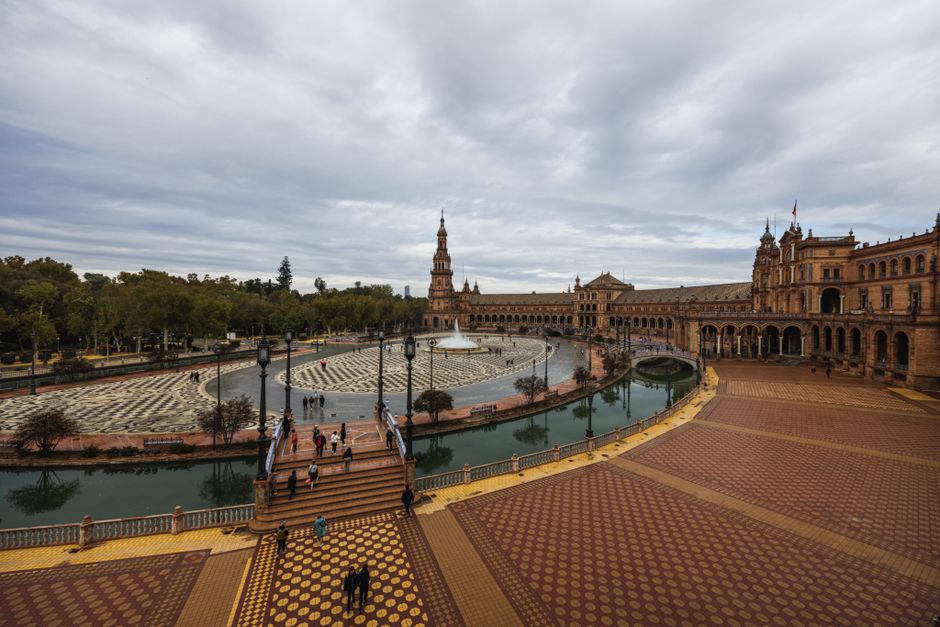
Late winter gives Seville mild afternoons, shorter queues, and enough daylight for a relaxed city break before Holy Week and the April Fair change the city’s pace. February and the first half of March usually offer the strongest balance between comfortable sightseeing and manageable visitor numbers.
Travel planning note: This is not legal advice — consult a licensed attorney for legal questions.
How does the weather shape a relaxed Seville itinerary?
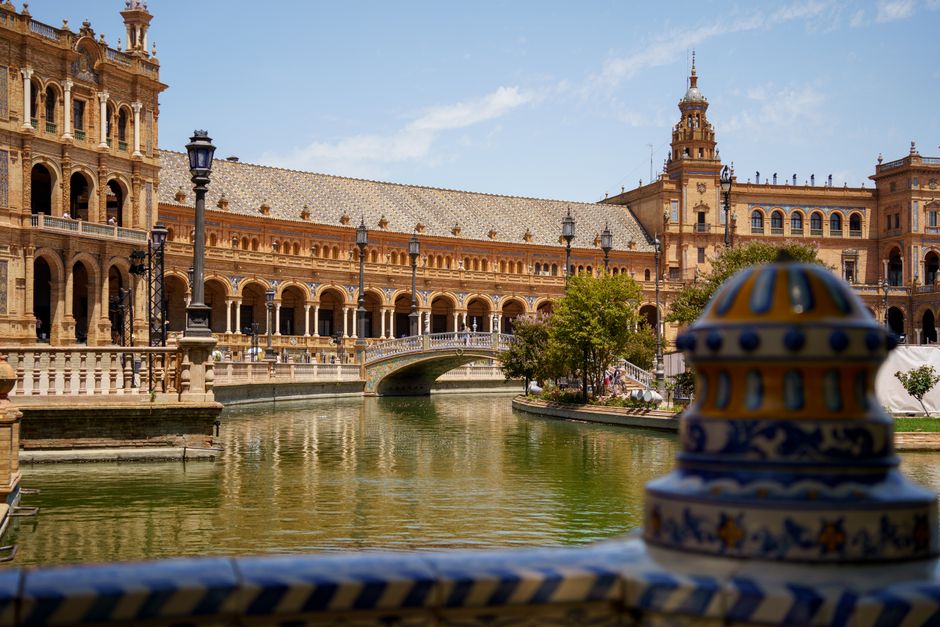
Late winter rewards travellers who plan by temperature rather than by a rigid checklist. Seville’s main sights sit close together, but the best experience comes from alternating indoor visits with open-air spaces. A cool morning suits the Alcázar or Cathedral. A brighter afternoon belongs in Santa Cruz, Triana, or María Luisa Park. That rhythm keeps the day comfortable and leaves space for a long lunch instead of forcing six attractions into eight hours.
Use the winter opening hours to set your mornings
The Real Alcázar’s official winter schedule runs from 9:30 to 17:00 between 1 October and 31 March, with the site beginning to clear later in the afternoon. That makes an early visit the sensible choice, especially on Friday or Saturday. The official Alcázar visitor information confirms the seasonal hours. Allow about two hours for the palace, patios, and gardens rather than racing through the complex.
Seville Cathedral and the Giralda take about 75 minutes on the standard cultural visit. The cathedral’s official 2026 tariff lists general admission at €13 online or €14 at the ticket office. The Cathedral’s published schedule and rates also warn that hours can change for worship needs. Book a timed morning slot, then walk towards the Archivo de Indias and Plaza de España.
A practical three-day rhythm
On day one, stay within the old centre: Cathedral, Alcázar, Santa Cruz, and an evening walk beside the Guadalquivir. On day two, cross into Triana, visit the market, follow the river, and use the warmer part of the afternoon for Plaza de España and María Luisa Park. On day three, choose one day trip only. Córdoba is the cleanest fit by rail; Ronda or the Málaga province require more travel and less flexibility.
Pack layers rather than a heavy winter coat. A light waterproof jacket, comfortable shoes, and one warmer layer handle most late-winter days better than summer clothes alone. The mistake is not cold weather. It is assuming sunshine at 15:00 guarantees a warm evening at 22:00.
How should you build an Andalusia trip around Seville?
Keep Seville as the base and add one carefully chosen excursion. That structure protects the relaxed purpose of the trip. Moving hotels every night creates check-in time, luggage handling, and transport risk without adding much value on a first visit.
Choose transport by journey length, not by headline fare
- Arrive by high-speed rail when Madrid is part of the route. Renfe AVE, Renfe Avlo, and iryo trains usually connect Madrid and Seville in roughly 2 hours 40 minutes to 3 hours. Promotional fares can begin around €19–€35, while flexible or late bookings cost more. Treat those figures as planning examples, not fixed quotes.
- Use Córdoba as the first add-on. Direct high-speed trains usually take about 45–55 minutes from Seville. A return fare can range from roughly €25 to €60, depending on operator, timing, and flexibility. That makes Córdoba realistic as a day trip without sacrificing the evening.
- Use the train for Cádiz or Jerez only when the coast or sherry is the main reason. Cádiz often takes about 1 hour 30 minutes by train; Jerez is closer to 1 hour. These trips work well in bright weather but offer less architectural density than Córdoba.
- Do not use Málaga as a casual day trip from Seville. The rail journey commonly takes around two hours, and additional travel is needed for several major attractions. Málaga makes more sense as a second base, not as a rushed add-on.
- Check the operator before paying. Renfe AVE and Avlo have different fare rules, while iryo publishes its own Madrid–Seville service information. A low headline price may exclude changes, a preferred seat, or extra flexibility. Choose the ticket whose restrictions you can accept.
The official iryo Madrid–Seville route page is useful for checking current service details. Compare it with Renfe on the same date, then book the train that gives you the best arrival time. For a short break, arriving at 12:00 is usually more useful than saving €8 on a train that reaches the city after dinner.
What can go wrong on a late-winter Seville break?
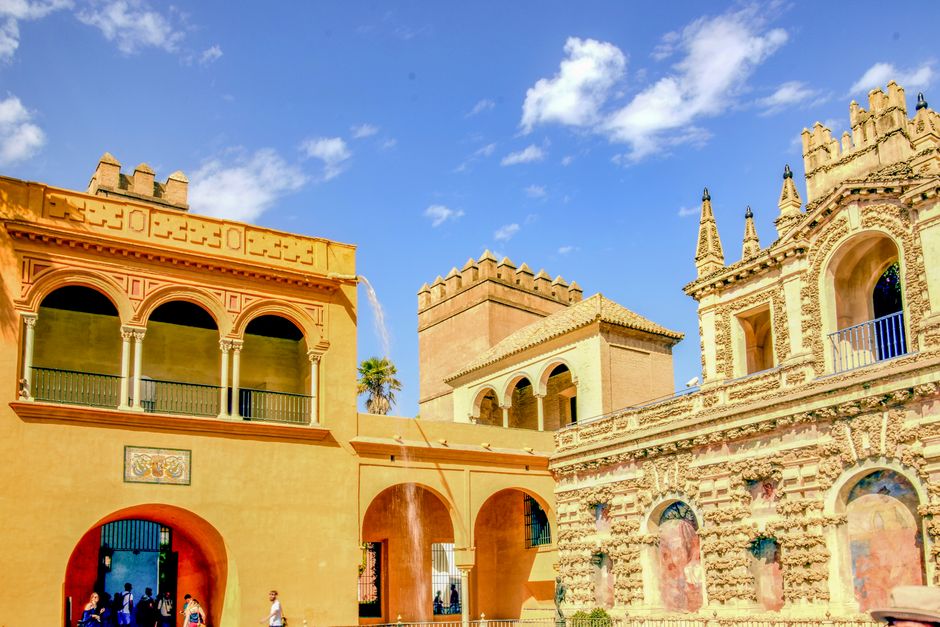
Will late winter mean rain every day?
No. It can produce grey or wet days, but a forecast with rain does not cancel the trip. The better response is to reserve indoor priorities for the first damp morning and keep flexible walks for the afternoon. The common mistake is packing for an imagined summer Seville and then spending the first evening cold in a thin shirt.
Should you book every attraction before arrival?
No, but book the time-sensitive sights first. Secure the Alcázar, Cathedral, and any popular performance before you travel. Leave neighbourhood walks, markets, parks, and ordinary meals open. Overbooking every hour creates a brittle itinerary: one late lunch or rain shower can ruin the rest of the day.
When should you avoid late winter?
Choose another season if your main goal is dependable beach weather, long warm evenings, or a festival atmosphere. Late winter also suits travellers poorly if they dislike shorter opening hours, because some sites close earlier before the summer schedule begins. Visitors who want Semana Santa should book a festival trip on purpose and expect crowds. They should not book a quiet city break during 29 March–5 April 2026 and assume the experience will feel like early March.
- Do not schedule the Alcázar, Cathedral, and a distant day trip on the same day.
- Do not rely on a single outdoor plan when rain would make it unusable.
- Do not assume every restaurant serves dinner at the hours familiar from northern Europe.
- Do not ignore processions, football matches, or local events when checking accommodation.
The strongest safeguard is a spare half-day. Seville has enough streets, gardens, churches, and food markets to absorb a change in weather without making the trip feel wasted.
Which Andalusia day trip is worth the effort?
For a relaxed late-winter break, Córdoba is the clear winner. It offers a major historic centre, a strong indoor attraction, and a short rail journey from Seville. The travel time is low enough that you can return for dinner, which preserves the unhurried character of the base city.
Choose Córdoba for history with low travel risk
Leave Seville after breakfast and aim for Córdoba’s old town before midday. The Mezquita-Catedral, Roman Bridge, Jewish Quarter, and riverside paths fit into one full day without requiring a car. Rain matters less because the historic core contains several substantial indoor stops. The trade-off is simple: Córdoba adds a second major heritage city, but it does not provide dramatic mountain scenery or a seaside atmosphere.
Choose Caminito del Rey only with a full spare day
The Caminito del Rey is a stronger choice for travellers who want a landscape day rather than another city. Its official winter information has listed general admission at €10 and a guided visit at €18, with seasonal entry windows that can finish in the afternoon. Check the official Caminito del Rey schedule before fixing transport. From Seville, the route involves more planning than Córdoba and can become uncomfortable in poor weather.
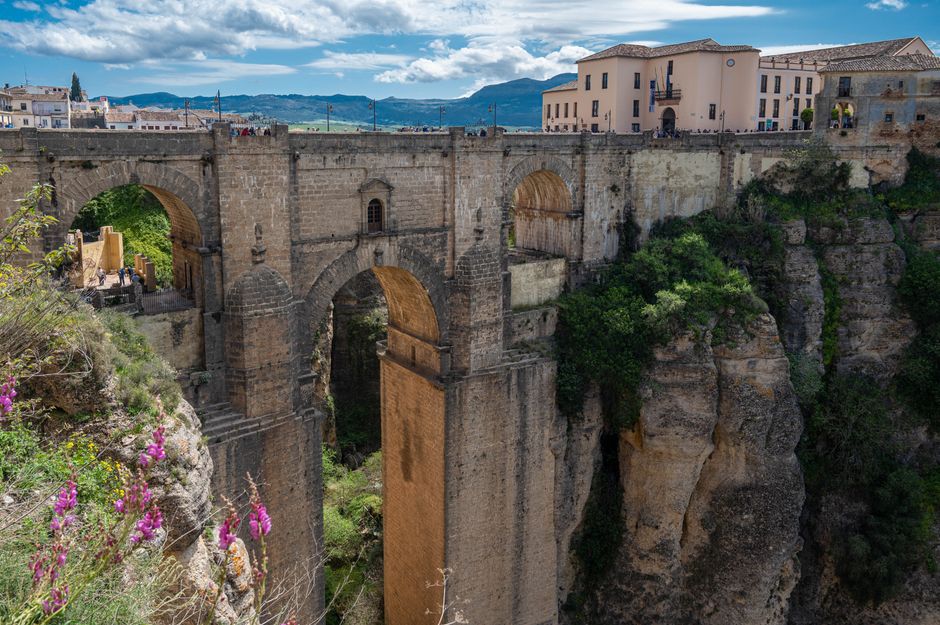
Skip Granada as a Seville day trip unless the Alhambra is the single purpose of the journey. The distance makes the day long, and a rushed visit weakens both cities. Ronda deserves an overnight stay when possible because its value lies in the slower sequence of viewpoints, old streets, and mountain roads. For two or three nights, stay in Seville and choose Córdoba. For five nights or more, split the stay and give the wider Andalusian landscape the time it requires.