
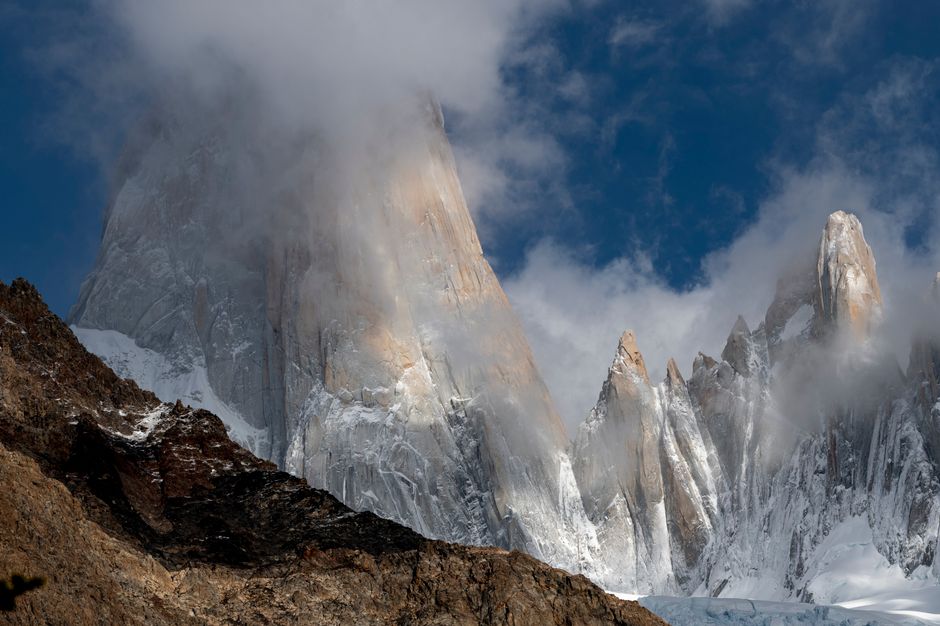
January is not Patagonia on easy mode. It is the best month for long daylight and generally usable trail conditions, but it is also the busiest, most expensive, and most weather-exposed period of the southern summer. The common mistake is treating Torres del Paine and Fitz Roy as interchangeable day-hiking destinations. They are not. Torres del Paine requires more logistics, stricter campsite planning, and often several nights in the park. Fitz Roy is easier to base from El Chaltén, but its big trails still demand serious fitness and wind tolerance.
For most travelers, the right plan is four to five days around Torres del Paine and three to four days in El Chaltén. Add buffer time. Patagonia can turn a neat itinerary into a bus-terminal problem in one afternoon.
Torres del Paine or Fitz Roy: which park fits your trip?
Choose Torres del Paine for a full trekking experience
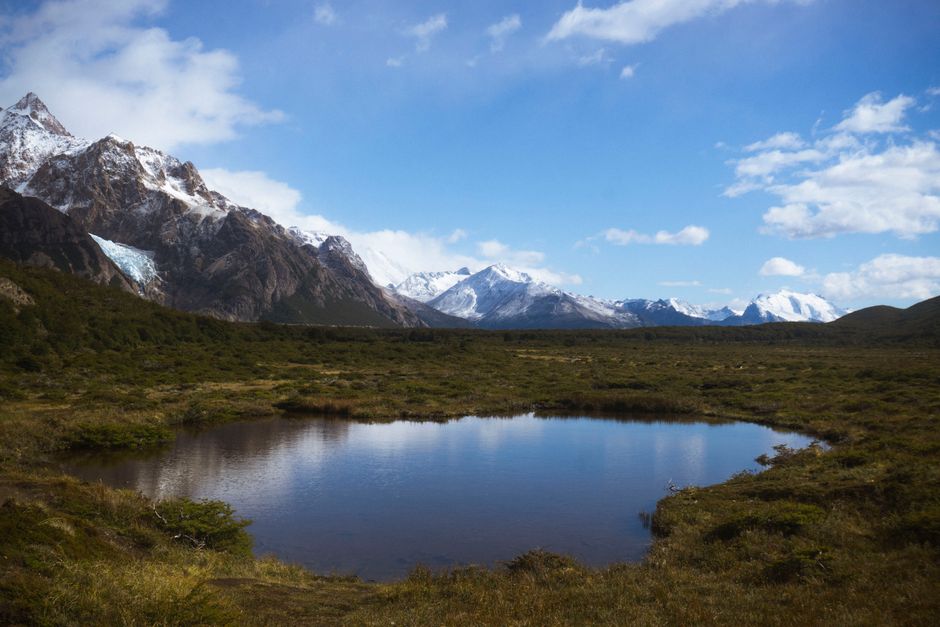
Torres del Paine is the stronger choice if you want a point-to-point mountain trek with camps, refugios, lakes, glaciers, and changing landscapes. The classic W Trek takes four to five days and covers roughly 70 to 80 kilometers, depending on side trips and route details. You carry less if you reserve refugio beds or meal plans, but those reservations raise the cost and reduce flexibility.
Choose Fitz Roy for easier logistics and stronger day hikes
Fitz Roy is better for travelers who want a comfortable base and hard day hikes without moving camp every night. El Chaltén sits close to several trailheads. You can hike Laguna Torre one day, Laguna de los Tres the next, and keep a weather day in reserve. The tradeoff is simple: you get less of a multi-day wilderness trek and more exposure to long out-and-back routes.
| Factor | Torres del Paine | Fitz Roy and El Chaltén |
|---|---|---|
| Best format | Four- to five-day trek | Three- to four-day base trip |
| Signature hike | Mirador Las Torres | Laguna de los Tres |
| Typical long day | 19 to 22 km | 18 to 24 km |
| Main difficulty | Reservations and transfers | Steep final climbs and wind |
| Best traveler fit | Trekkers who enjoy changing camps | Hikers who prefer one hotel base |
Verdict: Pick Torres del Paine for the richer multi-day trek. Pick Fitz Roy for better flexibility and simpler daily logistics. If this is your only Patagonia trip, combining both is worth the extra transport day.
How January weather changes every trail decision
Wind is the real hazard
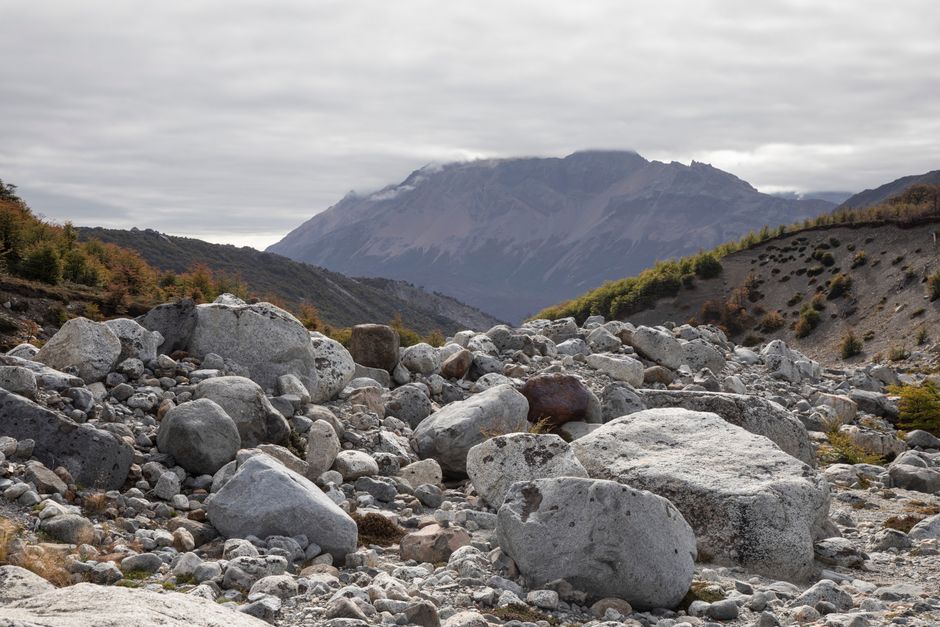
Rain gets the attention, but wind causes more practical trouble. Gusts can make exposed ridgelines unsafe, knock trekking poles sideways, and turn a warm-looking forecast into a cold emergency. Around Torres del Paine, the Paine Massif funnels strong winds through valleys and open passes. Near Fitz Roy, the final climb to Laguna de los Tres becomes unpleasant fast when gusts hit the exposed rocks.
Check the forecast before breakfast and again before committing to the exposed part of a route. A blue sky over El Chaltén does not guarantee calm conditions at the lagoon. Mountain weather changes faster than the forecast grid can show.
Use daylight, not optimism
Long daylight encourages late starts. That is a mistake on the hardest trails. Start Laguna de los Tres early because the final section is steep, loose, and tiring. Start Mirador Las Torres early because the viewpoint becomes crowded and the return trip still takes several hours. Carry a headlamp even when sunset looks impossibly late.
Pack rain protection where you can reach it without emptying your bag. Wear layers that work when wet. A waterproof jacket over a fleece is more useful than one thick coat because conditions can change twice before lunch. Take breaks behind natural shelter, drink before you feel thirsty, and turn around when the route stops being fun but before it becomes dangerous.
Verdict: Plan around wind and exposure first, temperature second. A mediocre forecast with low wind can be manageable. A sunny forecast with severe gusts can ruin the day.
What permits, buses, and border crossings can derail
Why the W Trek needs advance planning
The W Trek is not a route where you can freely choose a campsite each evening in January. Campsites and refugios operate with limited capacity, and the route usually requires reservations in sequence. Confirm each night, including arrival and departure times for the catamaran across Lago Pehoé if your route uses it. A single missing night can force an expensive change to the whole itinerary.
Puerto Natales is the practical supply base for Torres del Paine. Buy fuel only where regulations and transport rules allow it, and check whether your accommodation provides cooking equipment. Park transport often runs on fixed schedules. Missing one bus or boat may cost most of a day.
Why Chile–Argentina travel needs a time cushion
Torres del Paine sits in Chile, while El Chaltén sits in Argentina. The journey between them involves long buses and a border crossing. Keep your passport accessible, check entry rules for your nationality, and do not plan a major hike on the same day as the crossing. Delays can come from traffic, inspections, weather, or a missed connection in El Calafate.
The most common planning failure is building a route with no recovery time. A bus arriving at 6 p.m. is not a useful foundation for a sunrise hike the next morning if you still need food, water, and trail information. Stay in El Chaltén before the Fitz Roy hikes. Stay in Puerto Natales before entering Torres del Paine.
Verdict: Reserve the W Trek in route order and treat the Chile–Argentina transfer as a travel day. Saving one night on paper is not worth losing a key viewpoint.
What to pack for rain, wind, and long summer days

The right system beats a heavy bag
Pack for fast changes, not one perfect forecast. Use a waterproof shell, a warm mid-layer, a sun layer, and quick-drying base layers. A three-layer shell such as the Patagonia Torrentshell 3L is a practical example of the type of rain protection needed. A 58-liter pack such as the Osprey Exos 58 suits a supported multi-day trek, while day hikers can use a 20- to 30-liter pack.
Take trekking poles for the steep descents and loose ground. Carry a headlamp even in January; the Black Diamond Spot 400 provides enough output for early starts and emergency use. Use a dry bag or pack liner for sleeping clothes and electronics. Do not trust a pack cover alone in wind-driven rain.
Small items that prevent big problems
- High-SPF sunscreen, lip balm, and sunglasses: ultraviolet exposure remains strong near snow, water, and open rock.
- Two pairs of hiking socks: one dry pair for camp can rescue a wet evening.
- Blister treatment, tape, and basic pain relief: long descents expose footwear problems quickly.
- Offline maps and a paper backup: trail signs help, but phone coverage is inconsistent.
- Waterproof phone protection and a power bank: cold and navigation use drain batteries.
- Emergency communication for remote routes: a Garmin inReach Mini 2 weighs about 100 grams and uses satellite messaging, but it does not replace judgment or local instructions.
Do not overpack food for the entire trip if you can restock in Puerto Natales and El Chaltén. Do not underpack calories for the long days. A sandwich, nuts, chocolate, and a salty snack matter more than a second sweater.
Verdict: Spend your weight budget on rain protection, dry storage, navigation, and food. Patagonia does not reward stylish but fragile packing.
Which mistakes should you avoid in January?
Q: Can a fit traveler do the main hikes without training?
No. Fitness helps, but the issue is time on feet. Train with long walks, hills, and a loaded pack. Laguna de los Tres and Mirador Las Torres are not technical climbs, yet both can take eight to ten hours with breaks, weather delays, and crowded sections. A gym treadmill is useful, but it does not prepare your ankles for uneven rock or your shoulders for a wet pack.
Q: Should you hike every day to maximize the trip?
No. Three hard days in a row can turn a great trip into an injury-management exercise. Put an easy day after the longest route. In El Chaltén, a short Laguna Capri walk or town recovery day can preserve your legs for Fitz Roy. In Torres del Paine, stop early enough to eat, dry clothes, and sleep.
Q: Is a last-minute January trip realistic?
Only for a flexible day-hiking trip based in El Chaltén, and even that can face hotel shortages. It is a poor strategy for the W Trek. Last-minute visitors may find transport but not the campsite sequence they need. They then spend more on private transfers or abandon the route.
Skip the two-park plan if you have fewer than seven full hiking days. Choose one region and do it properly. For less crowded trails, travel in March or April, accepting shorter daylight and a greater chance of cold weather. For the clearest classic summer logistics, stay with January and reserve early.
| Trip goal | Best choice | Reason |
|---|---|---|
| Classic multi-day trek | Torres del Paine W Trek | More varied landscapes and camp-to-camp walking |
| Flexible day hikes | Fitz Roy from El Chaltén | One base, several major trails, easier weather swaps |
| Lowest planning stress | Fitz Roy only | No international border crossing during the hiking block |
| Best combined trip | Four days Torres del Paine plus three days Fitz Roy | Enough time for both parks with one weather buffer |