

The number keeps circulating in travel forums: $50 a day. Europe on a shoestring. Possible or outdated myth?
Still possible. But only if you’re honest about where the money actually goes — and only if you pick countries where the math works without heroic effort.
Which European Countries Make a $50 Daily Budget Realistic
The country you’re in matters more than any other variable in your daily spend. More than your accommodation type, your food choices, or how much you move around. Here’s where the budget holds and where it collapses:
| Country | Realistic Daily Budget | $50/Day Assessment | Best Base City |
|---|---|---|---|
| Albania | $25–35 | Easy — serious buffer remaining | Tirana or Berat |
| Bulgaria | $30–40 | Comfortable, room to splurge | Sofia or Plovdiv |
| Romania | $30–42 | Comfortable, room to splurge | Cluj-Napoca or Sibiu |
| Poland | $35–47 | Solid — works well outside Warsaw | Kraków or Wrocław |
| Hungary | $38–48 | Achievable, minimal slack | Budapest |
| Portugal | $45–58 | Tight — avoid Lisbon center and Algarve | Porto or Braga |
| Greece (mainland) | $48–60 | Athens works; islands break the budget | Athens or Thessaloniki |
| Spain | $55–75 | Hard — possible in smaller cities only | Seville or Valencia |
| France / Netherlands / Germany | $90–130+ | Not realistic without camping or Couchsurfing | — |
Why Eastern Europe is not a compromise
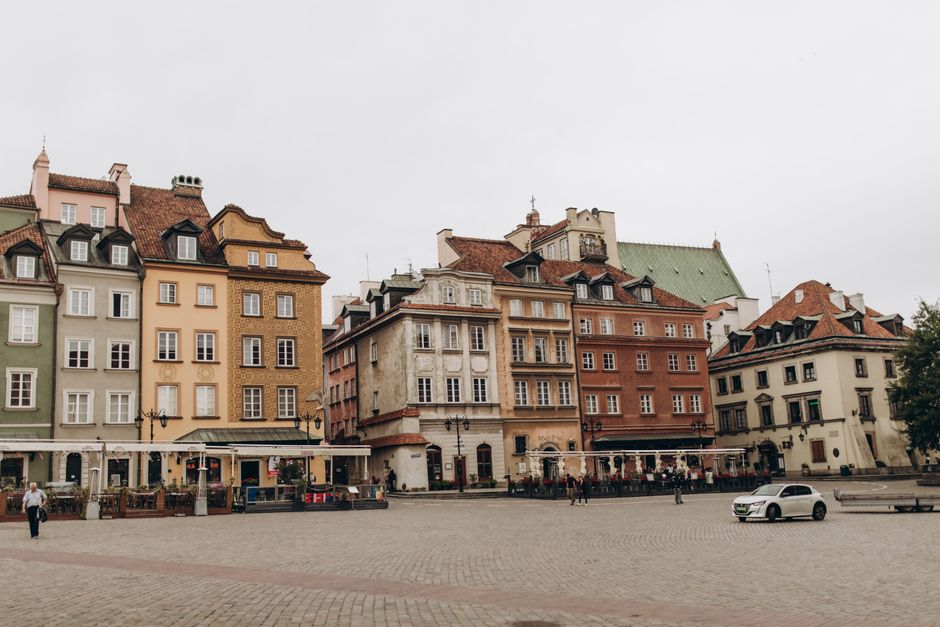
There’s a persistent assumption that choosing Romania over France means settling. It doesn’t. Plovdiv has a better-preserved old town than most cities in Western Europe. Kraków’s medieval market square is larger than the one in Prague, and a beer costs half as much. Albania’s Riviera beaches rival anything in Croatia or the Greek islands — with a fraction of the crowds and a fraction of the nightly rate.
The real quality gap between East and West is in nightlife infrastructure and brand-name familiarity. The history, food, and scenery frequently match — or beat — Western Europe per dollar spent. Budget travelers who’ve done both routes consistently report this. The Eastern route doesn’t feel like a cheaper version of Europe. It feels like a different, often better one.
The cities that burn through $50 before dinner
London, Amsterdam, Zurich, Copenhagen, Stockholm. A hostel dorm in Amsterdam in 2026 runs €38–55 per night. A 24-hour public transit pass is €8.50. Add one museum entry and two meals without wine, and you’ve cleared €90–100 before evening. These cities are worth visiting — plan them as deliberate, separately budgeted splurge stops, not as part of a $50/day route.
How the $50 Actually Splits Each Day

Abstract budget advice fails without specific numbers. Here’s what $50 looks like in a realistic Eastern or Southern European destination in 2026:
| Category | Target Daily Spend | How to Hit It |
|---|---|---|
| Accommodation | $10–16 | 6–8 bed hostel dorm; book via Hostelworld filtered to 8.0+ rating |
| Food | $12–18 | Two local restaurant meals away from tourist squares + one supermarket meal |
| City transport | $2–5 | Trams and buses; walk distances under 35 minutes |
| Activities and entry fees | $5–10 | One paid entry (€5–8) mixed with free walking tours, parks, and churches |
| SIM card, laundry, miscellaneous | $3–6 | Buy local SIM on arrival (~€8–12 for 30 days); hand wash every 3–4 days |
| Total | $32–55 | Leaves genuine room for occasional splurges or rest days |
Accommodation is the one line worth pulling hard
Hostelworld is the most reliable starting point for rated budget beds. In Romania, 6-bed dorms with 8.5+ ratings consistently run €8–14 a night. In Poland, a private guesthouse room outside the city center lands at €18–22 — worth considering if sleep quality matters more than saving four euros. Booking.com occasionally edges Hostelworld on private room prices, so check both before committing.
Couchsurfing still functions in 2026, particularly in smaller cities where the community hasn’t been diluted by sheer tourist volume. It won’t work every night, but replacing two or three paid nights per week cuts your accommodation average below $7 a day. The app requires genuine effort — a real profile, thoughtful request messages — but the return is significant.
Food: the category where location beats willpower
Every tourist square in Europe has a ring of restaurants charging double or triple local prices. The difference between spending €8 on lunch and €22 isn’t ingredient quality — it’s geography. In Poland, bar mleczny (milk bars) serve full hot meals for €3–5. In Romania, local spots like La Mama serve proper sit-down meals for €6–8. In Bulgaria, a mehana feeds you well for €5–7. Walk two blocks from any obvious tourist cluster and you’ll find them. Every time.
Four Spending Traps That Destroy Budget Plans
- Flying between every city. Ryanair’s €9.99 fare becomes €60–90 once you add a cabin bag fee (€25–40 on most routes), a seat selection charge, and an airport transfer from 40 minutes outside the city. An overnight Flixbus from Kraków to Budapest costs €15–25, saves a hotel night, and arrives centrally in the morning. Before booking any European flight under 8 hours, check Flixbus and Omio first. Rome2Rio shows door-to-door cost comparisons across all transport modes — it’s the fastest way to find routes where the bus wins decisively.
- Using a standard bank card for everything. Most debit cards charge 2.5–3.5% on every foreign currency transaction plus a flat ATM fee. Over a 6-week trip averaging $40/day spend, that’s $70–120 in pure fee waste. A Wise card uses the mid-market exchange rate with small, transparent fees disclosed before each transaction. Revolut is free to obtain and covers fee-free card spending up to a monthly limit. Carry both: Wise for ATM withdrawals, Revolut for card payments.
- Concentrating the route in one expensive city. Spending two weeks in Barcelona because it’s familiar costs more than two weeks split across Valencia, Seville, and Porto. Famous capitals carry premium prices partly because decades of tourism infrastructure investment went into them — and that investment is priced into everything from coffee to hostel beds.
- Assuming museum entry always costs money. Madrid’s Prado is free after 6pm daily. Rome’s state museums offer free entry on the first Sunday of each month. Athens’ National Archaeological Museum has periodic free-admission days. A five-minute search for “[city name] free museum days 2026” saves €15–30 per stop and takes less time than reading a travel blog about it.
Wise vs Revolut, and the Apps That Actually Move the Needle
Which banking card should you actually carry?
Wise is the cleaner pick for a one- to three-month Europe trip. The exchange rate is mid-market, fees are disclosed before you confirm, and the card performs reliably across Eastern European ATM networks — including in countries where Revolut occasionally struggles. Revolut’s free tier caps ATM withdrawals at €200/month, which limits its value on longer trips unless you pay for the Premium plan (€7.99/month).
Concrete verdict: get Wise as your primary card, Revolut as backup. Both are free to sign up for before you leave home. The combined fee savings over a 30-day trip typically run $60–100 compared to a standard bank debit card. That’s two to three nights of accommodation.
Transport and accommodation booking, ranked by usefulness
Start any route planning with Rome2Rio — it pulls flight, bus, train, and ferry options side by side with estimated costs and total travel time including transfers. Book buses directly through Flixbus‘s app or website (prices are identical to third-party booking sites, without the service fee). For accommodation, Hostelworld has more detailed hostel-specific reviews than Booking.com; Booking.com occasionally wins on private room pricing. Check both before committing to either.
Download offline maps for each country before crossing the border — Google Maps or Maps.me both work well. Navigating without burning mobile data is a small thing that prevents a surprising number of expensive, impulsive decisions made while standing confused at a junction.
When $50/Day Is the Wrong Number to Target
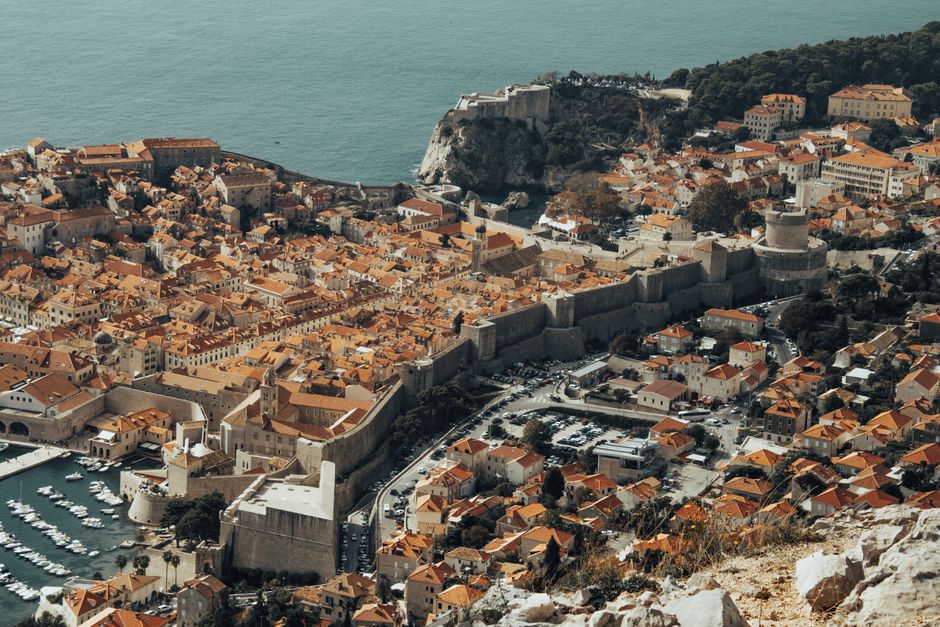
If your route includes more than two nights in London, Paris, Amsterdam, or Zurich, stop trying to hit a $50 average across the whole trip. Budget $120–150 for those cities specifically, go deep on them, and let the cheaper countries on either side pull your overall average back down. Grinding a Western European capital on a $50 budget means skipping what makes it worth visiting — and that’s not budget travel, it’s just an expensive way to feel poor.