
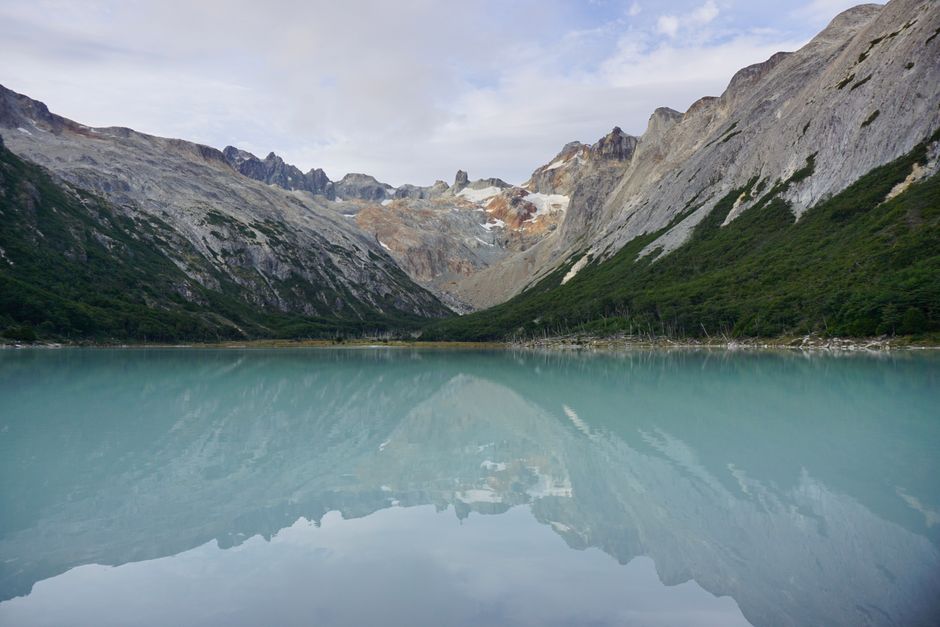
You’ve seen the photos. The granite spires of Torres del Paine punching through a marine layer. The wind-blasted walk to Laguna de los Tres. It looks raw. It is. But the biggest threat to your first Patagonia trek isn’t a puma or a crevasse. It’s a slow, seeping chill that starts at 2 AM in a sleeping bag rated for summer in the Sierras. I’ve watched people bail on the W Trek on day two because their “waterproof” jacket wetted out in 20 minutes. The gear choices aren’t about comfort. They’re about whether you finish or you don’t.
The Wind Is The Real Weight
Forget ultralight for a second. Patagonia demands a specific type of heavy. I’ve had a 55-pound pack ripped from my hands and thrown 15 feet. I’ve seen trekking pole tips snap clean off on a gust. The wind isn’t atmospheric noise. It’s a structural force you plan around.
Wind speeds of 50 mph are a normal Tuesday. Gusts hit 90 mph. Your tent, your rain shell, your stakes—they all need to handle this. You are not battling ounces. You are battling physics.
The Tent That Doesn’t Collapse
Most three-season tents fail here. The poles snap at the hub. The fly rips at the tie-out. You need a geodesic or semi-geodesic pole structure. The MSR Access 2 ($850) remains the standard. It’s a four-season tent that breathes well enough for summer, and the Easton Syclone poles flex instead of breaking. I’ve sat out 70 mph blows in one without the poles inverting.
If $850 stings, the Big Agnes Copper Spur HV2 Expedition ($700) works. It’s heavier but the burlier DAC poles hold shape. Do not bring a trekking pole tent unless you are an expert at deadman anchors and have zero emotional attachment to sleep. A single misplaced stake and the whole shelter pancakes.
Stakes That Actually Hold
Standard shepherd’s hooks are useless in the loose glacial till. You need a mix. I carry 6 MSR Groundhog stakes and 4 Paria Outdoor Products Snow & Sand stakes. The Groundhogs bite into hardpack. The wide Paria stakes act like mini snow anchors in sand. Total cost: $30. The upgrade saves your tent.
A Rain Jacket That Doesn’t Lie
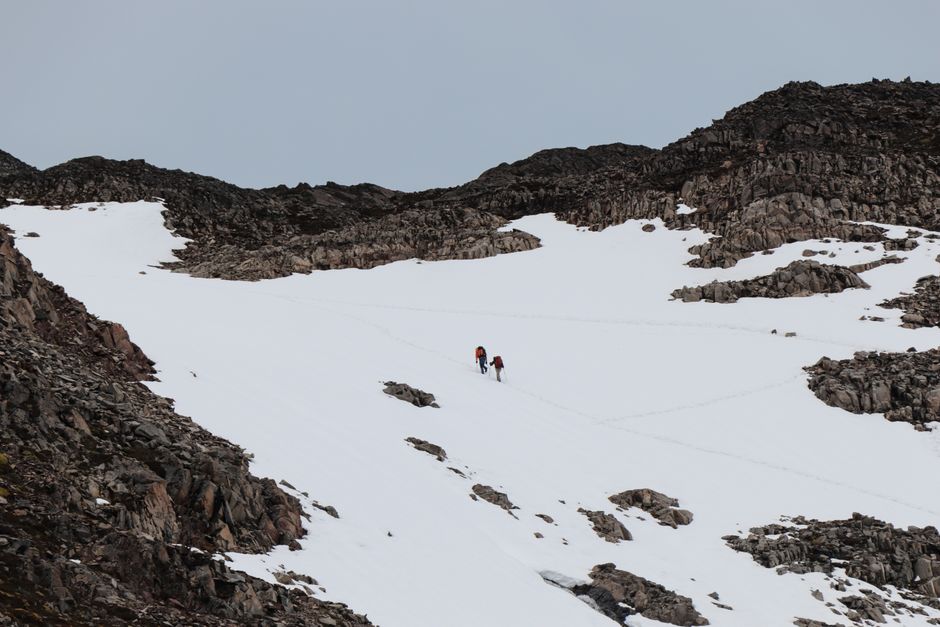
“Waterproof/breathable” is a marketing term that dies in Patagonia. The rain here is horizontal, driven by that wind. A 20,000mm hydrostatic head rating is the floor, not the ceiling. Pit zips are not optional. They are the only ventilation that works when the membrane gets overwhelmed—and it will get overwhelmed.
The Arc’teryx Beta AR ($600) uses Gore-Tex Pro and has a storm hood that actually moves with your head. It’s expensive. It’s also the only jacket I’ve worn for 8 hours of driving rain and still had a dry baselayer underneath. A cheaper alternative with slightly less breathability but equal waterproofing is the Patagonia Triolet ($450). Both have helmet-compatible hoods, which you’ll want even without a helmet because the stiff brim keeps water off your face.
| Factor | Torres del Paine W Trek | El Chaltén Huemul Circuit |
|---|---|---|
| Navigation | Well-marked trail, refugios | Unmarked, cairn-based, GPS mandatory |
| Resupply | Daily at refugios (hot meals) | None. 4 days of food minimum. |
| Water | Filtered streams, potable at camps | Glacial streams, no treatment needed usually |
| Critical Gear | Windproof rain shell, booking confirmations | Harness, carabiner, tyrolean traverse kit |
| Permit Cost (2026 est.) | $45 park fee + campsite bookings | Free, mandatory registration |
The Sleep System Is Survival
You will be cold at night. Even in February. The temperature rating on your bag is a lie if it’s the “limit” rating. You want the “comfort” rating. For the W Trek or the Huemul, a 15°F (-9°C) comfort-rated bag is the minimum. A 0°F (-18°C) bag is not overkill if you sleep cold.
Down is lighter and packs smaller. It also turns into a useless wet rag if your tent fails or humidity soaks it over 4 days. Synthetic insulation like the Enlightened Equipment Revelation APEX ($230) is heavier but keeps insulating when damp. If you go down, the Western Mountaineering Versalite 10°F ($700) is the gold standard for loft and moisture resistance. Pair either with a sleeping pad with an R-value above 4.5. The Therm-a-Rest NeoAir XTherm NXT ($260) has an R-value of 7.3 and weighs 17 ounces. That’s the one.
Navigation: Your Phone Is Not Enough
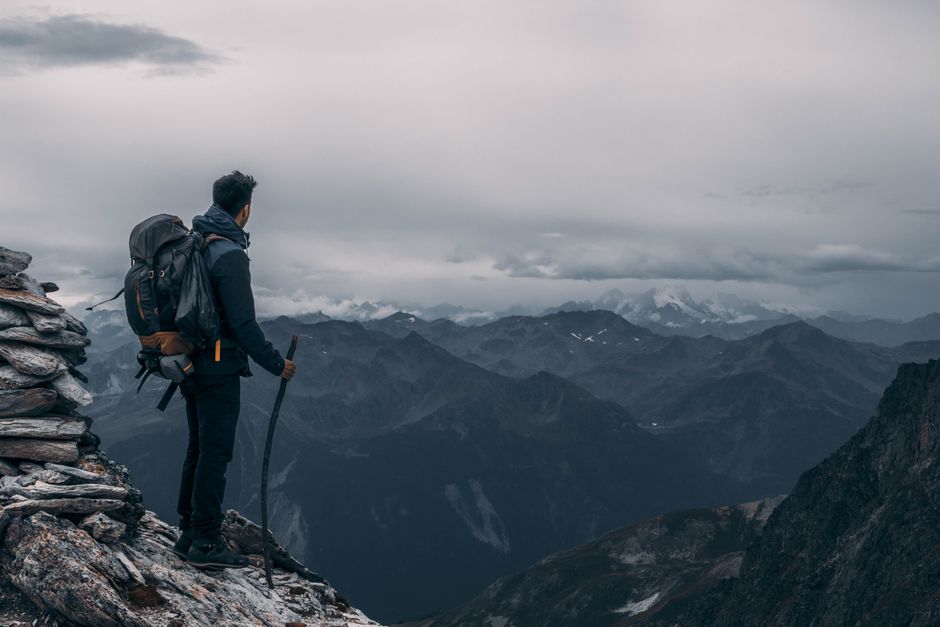
I don’t care how good Gaia GPS is. Your phone battery will die faster in the cold. Signal is nonexistent outside of a few puestos. A dedicated GPS unit with replaceable batteries is the only reliable tool. The Garmin GPSMAP 67i ($600) combines multi-band GPS with inReach satellite messaging. The SOS function is a literal lifeline. A cheaper option is the Garmin inReach Mini 2 ($400) paired with a phone, but you’re still betting on phone battery life.
Carry a paper map. The NOLS/National Geographic Trails Illustrated map for Torres del Paine is waterproof and shows every camp and water source. A compass is optional if you know how to use it. Most don’t. The map alone, studied before each day, prevents the most common error: walking past your turnoff in a whiteout.
Food That Actually Works At 8,000 Feet
Appetite vanishes at altitude and after 6 hours of wind. You need calories that don’t require chewing a brick. Freeze-dried meals have improved. Peak Refuel meals ($12 each) pack 900+ calories per pouch and actually taste like food. The chicken alfredo and beef stroganoff are the only two I don’t get sick of after 3 days. Patagonia Provisions ($10 each) makes organic soups and chilis that are lighter on sodium, which matters if you’re filtering your own water and not replacing electrolytes well.
A mistake I see constantly: bringing only sweet bars. After day one, you will hate the taste of sugar. Bring salty, fatty snacks. Salami, hard cheese, roasted nuts. Tortillas are the only bread that doesn’t crush. A jar of peanut butter is worth its weight.
The One Item Nobody Brings
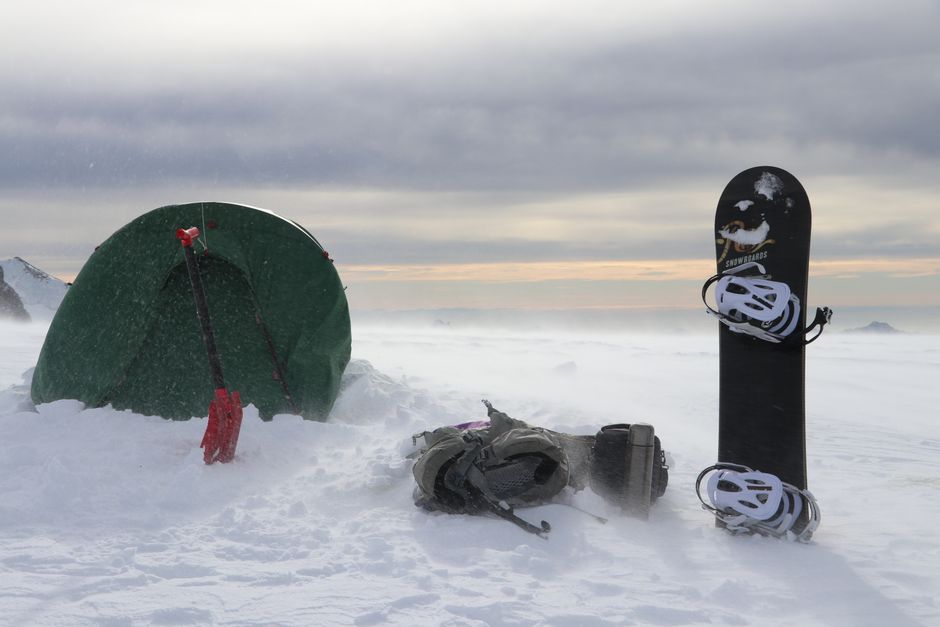
Earplugs. The wind in Patagonia doesn’t stop. It roars. It flaps your tent fly like a helicopter. Two nights of zero sleep breaks more people than the hiking does. A simple pair of Mack’s foam earplugs ($5 for 50) is the lightest, most effective piece of gear in your kit. Bring them.
Route Reality: W Trek vs. Huemul for 2026
The W Trek is a managed experience. You book refugios months in advance. You can buy hot meals and boxed wine. It’s a 4-5 day, 50-mile route with established campsites. The Huemul Circuit outside El Chaltén is the opposite. No huts. No marked trail. A mandatory tyrolean traverse over a glacial river. You need a climbing harness, two locking carabiners, and the knowledge to clip into a fixed rope. It’s 4 days and 40 miles of raw navigation.
For a first multi-day hike, the W Trek is the clear choice. The infrastructure is a safety net. You test your gear but you aren’t fully committed. The Huemul is for people who have done multi-days before and want to see what Patagonia feels like without the guardrails. I’ve done both. I’ve seen first-timers weep from exhaustion on the Huemul. I’ve seen them finish the W Trek and immediately plan a return. Start with the W. Book your refugios through Vertice Patagonia and Las Torres Reserve directly. Permits for the 2026 season open in May 2026. They will sell out in hours for the peak December-February window.
The gear list isn’t a shopping spree. It’s a system. A windproof shelter, a true waterproof shell, a sleep system that doesn’t gamble on a 30°F bag, and a way to navigate when the clouds drop to your boots. Get those four things right. The rest is just weight.