
The most persistent misconception in modern tourism is that travel is a linear progression of bucket-list items curated by an algorithm. We are often led to believe that the best places to visit around the world are those that photograph most effectively at sunset, ignoring the logistical friction that defines the actual experience. Real travel is not a gallery of images; it is a complex series of decisions involving currency fluctuations, data infrastructure, and the physical durability of your gear. If you choose a destination based solely on a short-form video, you are likely to find yourself in a crowded bottleneck with thousands of others who followed the same script. To find true value, one must look at the intersection of cultural depth, economic accessibility, and the practical infrastructure that allows a traveler to actually function in a foreign environment.
Evaluating High-Value Destinations for Long-Term Cultural Immersion
When analyzing the current global landscape, Japan and Portugal consistently emerge as top-tier choices for travelers seeking depth over surface-level sightseeing. However, the reasons for their popularity have shifted. In Japan, the narrative has long been about the neon-soaked streets of Tokyo or the temples of Kyoto. While these remain essential, the real value in 2026 lies in the secondary cities like Fukuoka or Kanazawa. These locations offer the same high-speed rail connectivity and safety as the capitals but at a significantly lower cost of living. The Japanese Yen has experienced notable volatility recently, making it a strategically sound time for those holding stronger currencies like the USD or GBP to visit. But do not be fooled: Japan is not a ‘cheap’ destination in the traditional sense. It is a high-value destination where your money buys a level of service and infrastructure that is virtually non-existent elsewhere.
Kyoto and Tokyo: Balancing Tradition with Modern Infrastructure
Tokyo remains the ultimate urban laboratory. If you are planning a visit, the logistics of navigating the city require more than just a map. You need a robust financial strategy. Using a standard high-street bank card often results in predatory exchange rates and transaction fees that erode your budget by 3% to 5% over a two-week trip. I recommend utilizing a digital-first financial platform like Revolut. Their Revolut Premium plan, which costs approximately £6.99 per month, allows for unlimited currency exchange at the interbank rate on weekdays. Pros: Excellent app interface and the ability to freeze cards instantly if lost. Cons: Weekend markups on currency exchange can be annoying if you don’t plan ahead.
Kyoto, conversely, is facing significant over-tourism. To see the ‘best’ of Kyoto, you must pivot toward the northern districts or the Uji region. The infrastructure here is still world-class, but the pace is manageable. For those moving between these hubs, the Japan Rail Pass was once the default recommendation. However, following a massive price hike in late 2026, the math often favors individual tickets or regional passes. This is where deep research pays off—calculate your route before buying. If you aren’t doing a round trip between Tokyo and Hiroshima within seven days, the national pass is likely a financial drain.
The Cost of Connectivity: Telecom and Data Solutions
One cannot navigate the best places to visit around the world without reliable data. In Japan, public Wi-Fi is notoriously spotty and often requires a cumbersome login process. A local SIM or a roaming plan is mandatory. For UK-based travelers, Three Mobile offers competitive roaming options via their “Go Roam” packages. While they have introduced daily fees for roaming in many countries (typically £2 to £5 per day), the convenience of using your own number for two-factor authentication on banking apps is a significant advantage. Pros: Reliable 5G coverage in urban centers. Cons: Data speeds can be throttled after reaching a certain threshold, making it less ideal for heavy video uploads.
| Connectivity Option | Approx. Price | Pros | Cons |
|---|---|---|---|
| Local Japanese eSIM | £20 (10GB) | High speed, low latency | No local phone number |
| Three Mobile Roaming | £5/day | Keep your own number | Daily cost adds up quickly |
| Pocket Wi-Fi Rental | £60/week | Connect multiple devices | Another battery to charge |
Strategic Travel Planning for Remote Work and Digital Nomads

The rise of the digital nomad has fundamentally changed what we consider the ‘best’ places to visit. It is no longer just about the sights; it is about the ergonomics of the environment. Mexico City (CDMX) and Madeira, Portugal, have become the gold standards for this type of travel. Mexico City offers a density of culture and gastronomy that rivals Paris, but with a much lower barrier to entry for North American and European travelers. Neighborhoods like Roma Norte and Condesa are designed for the modern worker, with high-speed fiber-optic internet becoming the standard in most rentals. However, this popularity has led to a surge in rental prices, pushing travelers to look toward Coyoacán or San Rafael for a more authentic and affordable experience.
Retail Essentials: Gear for the Modern Traveler
If you are working while traveling, your gear is your lifeline. You cannot rely on the environment to be quiet or comfortable. I have found that a high-quality pair of noise-canceling headphones is the difference between a productive day in a bustling CDMX cafe and a wasted afternoon. The Sony WH-1000XM5 is widely regarded as the industry leader, retailing for approximately £300 to £350. Pros: The noise cancellation is almost eerie in its effectiveness, and the battery life lasts for long-haul flights. Cons: They do not fold as compactly as previous models, taking up more room in your carry-on, and they lack a formal IP rating for water resistance.
Retailers like Currys or Argos often have these on sale during seasonal windows. Investing in hardware before you leave is critical because finding specific English-keyboard laptops or high-end electronics in foreign markets can be both expensive and frustrating due to import taxes. A solid tech kit should also include a universal power adapter with multiple USB-C ports. Look for GaN (Gallium Nitride) chargers; they are smaller, cooler, and more efficient than the bulky bricks that come with your laptop. This isn’t just about convenience—it’s about weight management in your luggage.
Financial Logistics: Managing Foreign Transactions and Banking
Managing money in Mexico or Portugal requires a nuanced approach. In Mexico, cash is still king for street food and smaller markets. You will need a card that offers fee-free ATM withdrawals. Again, fintech solutions outperform traditional banks here. Beyond Revolut, Monzo (available via various retail and finance partnerships) offers a transparent breakdown of spending. When the ATM asks if you want to use “their” exchange rate—always decline. Let your bank handle the conversion. This single choice can save you £10 on a £200 withdrawal. It is these small, repeatable wins that extend a travel budget from one month to three.
Pro Tip: Always carry two different cards from two different banking networks (e.g., one Visa, one Mastercard). If a local bank’s system rejects one, you aren’t left stranded at a grocery store checkout.
Nature-Centric Exploration: Rugged Landscapes and Sustainable Logistics
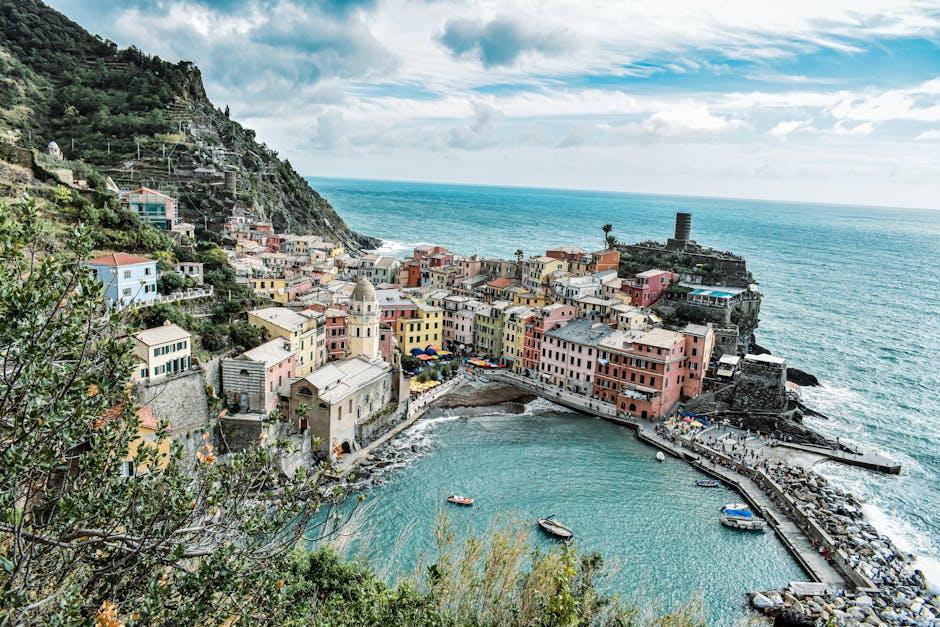
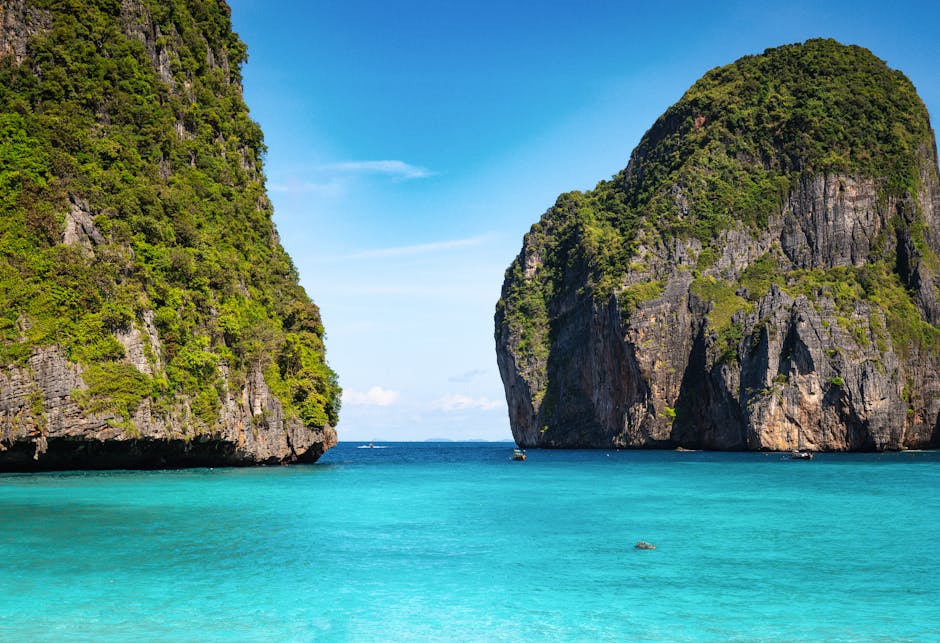
For those who prioritize the natural world over urban centers, Iceland and New Zealand remain the definitive destinations. These are not places you visit for the nightlife or the shopping; you go for the sheer scale of the landscape. Iceland, in particular, has become a victim of its own beauty. The Ring Road is the standard route, but in 2026, the savvy traveler is heading to the Westfjords. This region requires a 4×4 vehicle and a tolerance for gravel roads, but it rewards you with a solitude that is increasingly hard to find. The logistics here are demanding. You are often hours away from the nearest town, which means your preparation must be meticulous.
Equipment Procurement: Investing in Durable Retail Goods
Iceland’s weather is notoriously fickle. You can experience four seasons in a single hour. This is where your choice of apparel becomes a safety issue rather than just a fashion one. You need a layering system: a moisture-wicking base layer, an insulating mid-layer (down or synthetic fleece), and a waterproof, windproof shell. Retailers like Cotswold Outdoor or ASOS carry brands like The North Face or Patagonia that are built for these conditions. A high-quality GORE-TEX jacket will cost you between £250 and £500. Pros: It will keep you bone-dry in a horizontal rainstorm. Cons: The fabric can be ‘noisy’ when you move, and the high price point is a barrier for casual hikers.
Do not skimp on footwear. The volcanic rock in Iceland is sharp and unforgiving. A pair of mid-height waterproof hiking boots is essential. If you buy them a week before your trip, you are asking for blisters. Buy them a month in advance and wear them on your daily commute to break them in. This is the pragmatic side of travel that people rarely discuss—the best places to visit around the world are only enjoyable if your feet aren’t bleeding.
Navigating the High Cost of Island Nations
Both Iceland and New Zealand suffer from high import costs, which translates to expensive food and fuel. To mitigate this, many travelers opt for campervans. This combines your transport and accommodation costs into one line item. However, you must factor in the cost of campsites, as wild camping is strictly regulated (and often illegal) in these countries to protect the fragile ecosystem. Buying groceries at budget supermarkets like Bónus in Iceland is a mandatory strategy for anyone not on a luxury budget. A simple meal at a mid-range restaurant in Reykjavik can easily top £40 per person, whereas a week’s worth of groceries might cost £100. The trade-off is clear: cook for yourself and you can afford to stay twice as long.
Connectivity in these remote areas is surprisingly good, but you should still download offline maps. Google Maps is excellent, but specialized apps like AllTrails are better for hiking. If you are a photography enthusiast, ensure you have enough cloud storage or physical SD cards. High-resolution photos of the Aurora Borealis or the Southern Alps will eat through storage faster than you expect. SanDisk Extreme 128GB cards are a reliable choice, usually priced around £20. Pros: Fast write speeds for 4K video. Cons: They are small and easy to lose; keep them in a dedicated case.
Ultimately, the best places to visit around the world are those that challenge your perspective while providing the infrastructure to keep you safe and connected. Whether it is the rhythmic efficiency of Japan, the creative energy of Mexico City, or the raw power of the Icelandic wilderness, the success of your trip depends on the quality of your preparation. Travel is a skill. Like any skill, it requires the right tools—from the bank card in your pocket to the boots on your feet. By focusing on these logistical pillars, you move beyond being a mere spectator and become a true participant in the global experience. The world is large, and the data suggests that those who plan most effectively are the ones who enjoy it the most.