
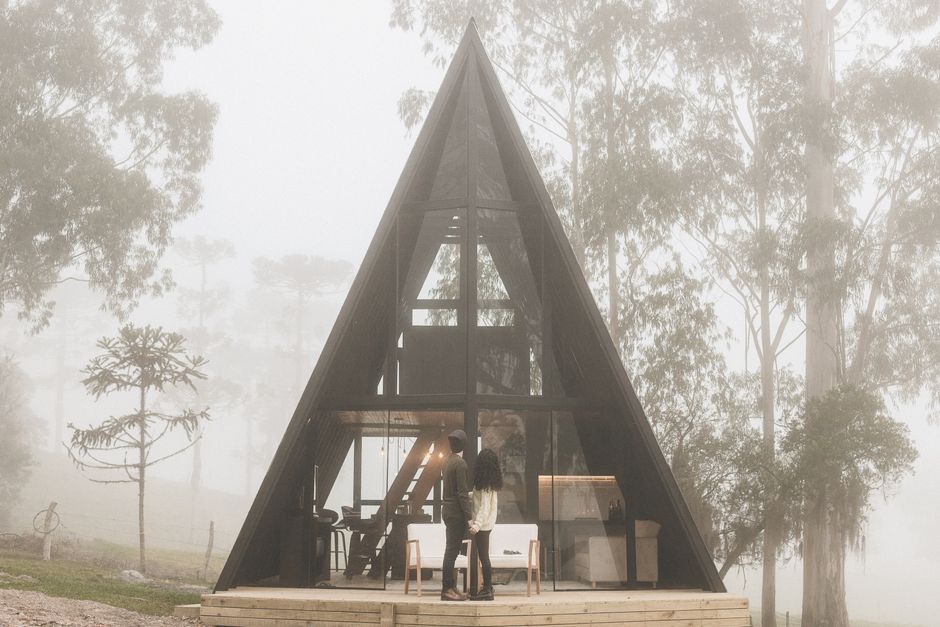
The Southwest has over 200,000 square miles of desert, canyons, and red rock. Most of it is empty. That’s the point. You go there to get away from pavement, crowds, and Wi-Fi notifications. But sleeping on the ground in a tent that leaks condensation at 3 AM? That ruins the trip.
Glamping fixes that. You get a real bed, often electricity, sometimes a shower that doesn’t involve a bag. And you still wake up to the same view as the guy who carried a 60-pound pack for six miles. These 10 stays are scattered across Arizona, Utah, New Mexico, and Nevada. Each one is unique — not a cookie-cutter safari tent in a field. Some are domes. Some are Airstreams. One is a converted water tower. All of them are worth the drive.
What Makes a Glamping Stay Actually Worth It
Here’s the problem with most glamping listings: they charge hotel prices for a tent with a rug. You’re paying $350 a night to sleep in canvas. That’s fine if the bed is legit, the site is private, and the bathroom doesn’t require a headlamp walk at midnight. But too many places slap “glamping” on a standard campsite with a mattress on the floor.
A real glamping stay has three things. First, a proper bed with sheets, pillows, and a blanket that isn’t your sleeping bag. Second, climate control — either a heater for cold desert nights or a swamp cooler for summer. Third, privacy. If you can hear your neighbor snore, it’s not glamping. It’s camping with a decor upgrade.
Every stay on this list meets those three criteria. Prices range from $150 to $500 per night. Most require a reservation weeks in advance, especially between March and May and September to November. Summer in the Southwest is brutal. July averages 100°F in Moab. Book spring or fall.
Domes, Yurts, and Tents: Comparing the Shelter Types
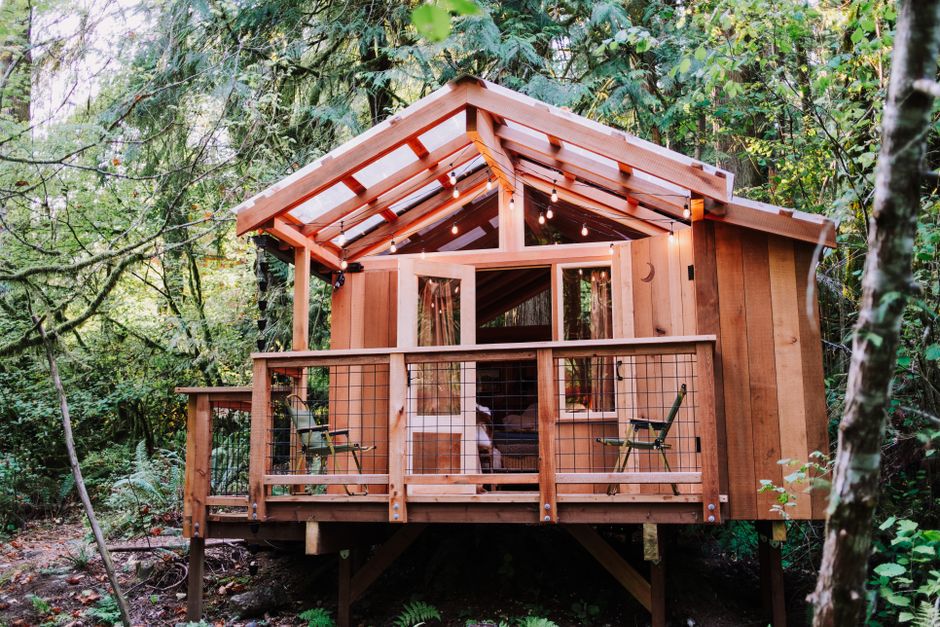
Not all glamping structures are the same. The shelter type determines your experience more than the location does. Here’s the breakdown.
| Type | Best For | Typical Price Range | Noise Level | Climate Control |
|---|---|---|---|---|
| Geodesic Dome | Stargazing, wind protection | $200–$400 | Low (thick walls) | Heater included, no AC |
| Canvas Tent | Classic safari feel | $150–$350 | Medium (fabric flaps) | Wood stove or space heater |
| Yurt | Group trips, families | $180–$300 | Low (insulated walls) | Propane heater, sometimes AC |
| Airstream Trailer | Retro style, full amenities | $250–$500 | Very low (metal walls) | Full HVAC |
| Treehouse / Cabin | Elevated views, luxury | $300–$600 | Very low | Full HVAC |
Domes handle wind better than tents. Yurts sleep more people. Airstreams give you a real kitchen. Pick based on what matters most to you. If you want to see the Milky Way through a skylight, get a dome. If you want to cook eggs and bacon in the morning, get an Airstream.
10 Unique Glamping Stays Across the Southwest
1. Under Canvas Moab (Utah)
Under Canvas runs the biggest glamping operation in the US. Their Moab location sits 20 minutes from Arches National Park. The tents are spacious — king bed, wood stove, private bathroom with hot shower. The downside? It’s a large operation. You hear other guests. But the location is unbeatable. Rates start at $299 per night in spring.
2. Collective Retreats at Governors Island (New Mexico)
This one is near Santa Fe, not on an island. The name is confusing. The stay is not. Four-poster beds, en-suite bathrooms, and a deck overlooking the Sangre de Cristo mountains. The food program is solid — farm-to-table dinners included. $350–$450 per night. Book the Summit tent for the best view.
3. AutoCamp Zion (Utah)
AutoCamp uses Airstream trailers, not tents. Each one has a queen bed, kitchenette, and full bathroom. The common area has a pool and fire pits. It’s close to Zion National Park — 10 minutes to the entrance. The trailers are 31 feet long, so they feel spacious. $250 per night off-season, $400 in peak.
4. El Cosmico (Texas, but close enough)
El Cosmico is in Marfa, Texas, which is technically not the Southwest but sits right on the border. It’s a retro trailer park with restored Airstreams, yurts, and teepees. The vibe is artsy and quiet. Shared bathrooms are the trade-off. $150–$250 per night. Worth it for the Marfa lights and the minimalist aesthetic.
5. The Yurt at Ghost Ranch (New Mexico)
Ghost Ranch is a retreat center near Abiquiú, famous for Georgia O’Keeffe’s paintings. The yurt sleeps four, has a wood stove, and sits at the base of a red cliff. No electricity in the yurt — lanterns only. Shared bathhouse. This is for people who want solitude, not luxury. $180 per night. Bring a good book.
6. Shash Diné EcoRetreat (Arizona)
This is a Navajo-owned property near Monument Valley. You sleep in a traditional hogan or a canvas tent. The host leads sunrise hikes and tells stories about Navajo culture. No Wi-Fi. No cell service. The stars are unreal. $200 per night includes breakfast. This is one of the most authentic glamping experiences in the Southwest.
7. The GeoDome at Moab Under Canvas (Utah)
Same company as #1, but the GeoDome is a separate product. It’s a clear dome with a 360-degree view of the sky. King bed, private bathroom, heater. The dome traps heat during the day — summer stays are uncomfortable. Book it in spring or fall. $400 per night.
8. Firelight Camps at Watson Lake (Arizona)
Watson Lake is near Prescott, about 90 minutes north of Phoenix. Firelight Camps runs canvas tents on the lake shore. The tents have real beds, rugs, and private decks. Shared bathhouse with hot water. The lake is good for kayaking. $220 per night. The camp is seasonal — open March through October.
9. The Water Tower at El Rey Inn (New Mexico)
El Rey Inn is a historic motel in Santa Fe. The Water Tower is a converted 1920s water tank that sleeps two. It’s not a tent — it’s a round room with a king bed, fireplace, and rooftop deck. You get the glamping feel without the canvas. $350 per night. The inn has a pool and is walking distance to Canyon Road.
10. The Airstream at The Shady Dell (Arizona)
The Shady Dell in Bisbee is a vintage trailer park from the 1950s. Each trailer is restored with period furniture. The 1959 Airstream has a double bed, small kitchen, and AC. Shared bathhouse. Bisbee is a quirky copper mining town with good food and bars. $175 per night. The vibe is retro Americana, not wilderness.
Booking Strategy: When to Reserve and What to Pay
Demand for glamping in the Southwest has doubled since 2026. You cannot book a week before and expect availability. Here’s the timing rule. For spring (March–May) and fall (September–November), book at least 8 weeks out. Summer (June–August) is easier — heat scares people off — but you’ll deal with 100°F days. Winter (December–February) is cold at night, often below freezing. Some places close.
Price varies wildly. A basic canvas tent at Under Canvas costs $299. A dome at the same property costs $400. The difference is the view and the structure. Pay for location and privacy first. If the site is 50 feet from the next tent, don’t pay premium. If it’s isolated on a ridge, it’s worth the extra $100.
Most glamping sites require a two-night minimum on weekends. Some require three nights during holidays. Read the cancellation policy. Some are strict — no refunds within 14 days. Others are flexible. If you’re driving from far away, book the flexible option.
Common Mistakes That Ruin a Glamping Trip
First mistake: assuming the site provides everything. Most glamping tents have a bed and a heater. They do not have a mini-fridge, a kettle, or enough firewood for the whole night. Bring your own water, snacks, and a headlamp. The Coleman headlamp ($25) is cheap and works. Do not rely on your phone flashlight.
Second mistake: ignoring the weather. A canvas tent at 9,000 feet in New Mexico can hit 35°F at night in May. The heater might be a small propane unit that barely keeps up. Bring a warm sleeping bag liner or thermal underwear. The Therm-a-Rest liner ($60) adds 15°F of warmth without bulk.
Third mistake: arriving after dark. The drive to most glamping sites involves unpaved roads, no streetlights, and poor cell reception. Arrive before sunset. Check in during daylight. Set up your gear while you can see. Nothing ruins a trip faster than trying to find your tent in the dark with a dying phone battery.
Fourth mistake: not checking the bathroom situation. Some glamping stays have private bathrooms. Many have shared bathhouses. Shared means walking outside in the cold, waiting in line, and hoping the hot water lasts. If a private bathroom matters to you, filter your search for that feature. Sites like Glamping Hub let you filter by bathroom type.
The Single Most Important Takeaway
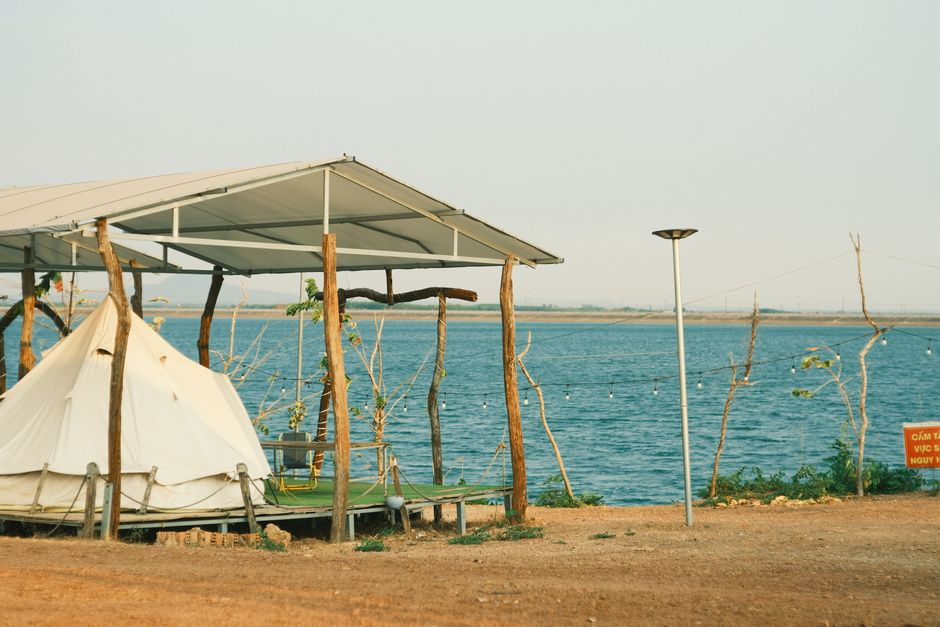
Book a glamping stay that puts you within 30 minutes of a national park or monument, has a private bathroom, and includes a heater — everything else is decoration.