
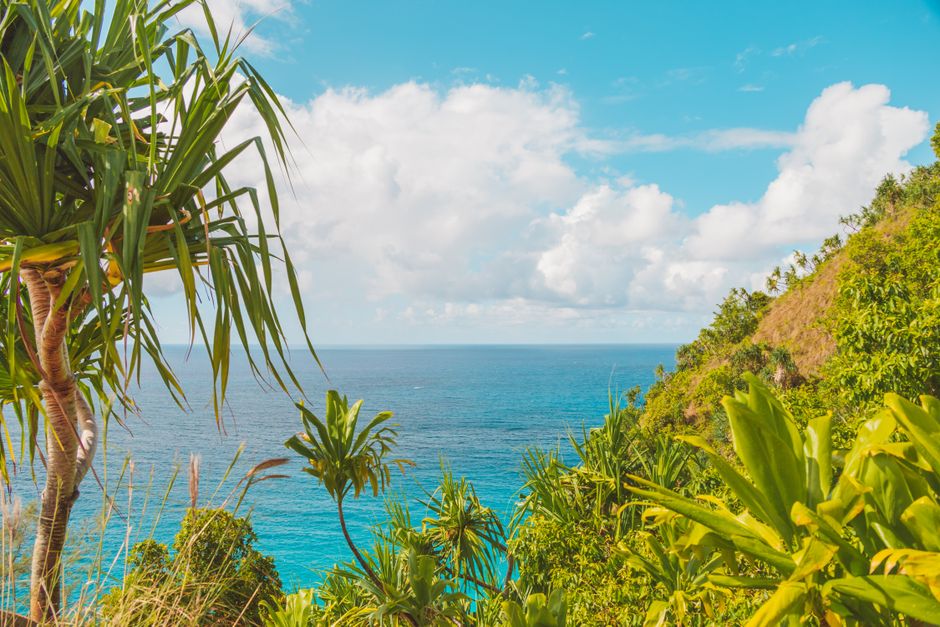
Most people think New Zealand is the safest solo travel destination on earth. Low crime, friendly locals, stunning landscapes. That part is true. But the danger isn’t in the cities — it’s in the things no one warns you about: a river crossing that turns deadly after rain, a hike where the weather changes in fifteen minutes, a rental car company that leaves you stranded without phone signal.
I’ve lived in New Zealand for four years. I’ve seen solo travelers make the same eight mistakes over and over. Some cost them money. Some cost them days of their trip. A few almost cost them their lives. Here’s what to avoid and how to actually stay safe.
Mistake 1: Treating the Weather Like It’s Optional
New Zealand has four seasons in one day. That’s not a tourism slogan — it’s a meteorological fact. On the Tongariro Alpine Crossing, I’ve seen clear blue skies turn into a whiteout with 80km/h winds in under 30 minutes. Solo travelers die here because they go out in shorts with a water bottle and no extra layers.
The rule is simple: always carry a waterproof jacket, thermal layer, hat, and gloves — even on a “sunny” forecast. The New Zealand MetService website is free and accurate. Check it the night before and the morning of any outdoor activity. If the forecast says “possible thunderstorms” and you’re planning to hike the Routeburn Track alone, change your plan.
The failure mode here is overconfidence. You’ve hiked in rain before. You’ve been cold before. You haven’t been cold in New Zealand’s alpine environment with no cell reception and the nearest hut 6 hours away.
Mistake 2: Underestimating the Distances and Driving Conditions
New Zealand looks small on a map. It’s not. Driving from Queenstown to Milford Sound is 287km — takes 4 hours without stops. That same drive in rain or snow can take 6+. And those are the easy roads.
Solo drivers crash here at alarming rates. Rental car companies like Jucy and Britz will rent you a campervan with zero questions about your experience driving on the left side of the road on narrow, winding mountain passes. I’ve seen tourists spin out on the Crown Range Road because they braked too hard on gravel.
What to do: plan no more than 3-4 hours of driving per day. Use the InterCity bus network for long stretches between major towns — it’s cheaper than rental + petrol, and you can sleep or look at scenery instead of white-knuckling a steering wheel. If you must drive, get a car with a modern GPS and a physical speed limit display. The rental company Apex offers this on most vehicles.
Mistake 3: Not Having a Communication Backup
Cell coverage in New Zealand is terrible outside of towns. Vodafone and Spark both have huge dead zones on the West Coast, through the Arthur’s Pass region, and across most of the South Island high country. Solo travelers assume they’ll have Google Maps and WhatsApp the whole time. They don’t.
I’ve pulled over to help three stranded solo drivers in the last year alone. Every single one had a dead phone and no paper map. One was a German woman whose rental car broke down on the Haast Pass — no cell signal for 40km in either direction. She waited 4 hours before someone drove past.
Buy a prepaid SIM from Skinny or Spark at the airport — $35 NZD gets you 10GB and unlimited texts. Then download offline maps on Google Maps for the entire South Island before you leave WiFi. Better yet, buy a personal locator beacon (PLB) from a place like Bivouac Outdoor in Queenstown. Rent one for $40 NZD for two weeks. If you’re hiking alone, this is not optional.
Mistake 4: Booking Accommodation That Isolates You

Solo travelers often book the cheapest option — a basic room in a hostel or a campsite in the middle of nowhere. The problem isn’t safety from crime. The problem is that when something goes wrong (weather, injury, car trouble), you’re alone with no one to help.
Stay at hostels with 24-hour reception and common areas where you can meet people. YHA hostels in New Zealand have a solid reputation for this — they’re clean, central, and staff know the area. In smaller towns, look for “backpacker lodges” rather than standalone Airbnbs. You want a place where someone will notice if you don’t come back from a day hike.
In Queenstown, the Nomads Queenstown hostel has a good setup with a social bar and organized activities. In Wanaka, the Wanaka Bakpaka is a classic backpacker spot where solo travelers naturally connect. Avoid booking remote cabins on the DOC website for your first week — save those for when you understand the terrain.
Mistake 5: Ignoring the DOC Hut System Rules
The Department of Conservation (DOC) runs a network of huts across New Zealand’s backcountry. They’re cheap ($5-$15 NZD per night), basic, and essential for multi-day hikes. But solo travelers make two critical errors: not booking in advance during peak season (November to April), and not carrying the correct gear for hut stays.
In 2026, a solo hiker on the Kepler Track arrived at Luxmore Hut in February without a sleeping bag liner or a cooking stove. The hut has mattresses but no blankets. The temperature dropped to 2°C that night. He had to share someone else’s stove to boil water. This is avoidable.
Book your DOC hut passes online at least two weeks ahead for Great Walks like the Milford, Routeburn, and Kepler tracks. Carry a lightweight gas stove (MSR PocketRocket 2, $60 NZD at Bivouac), a sleeping bag rated to at least 0°C, and a headlamp with spare batteries. The huts have no electricity, no WiFi, and no staff.
Mistake 6: Overpacking Your Daypack for Day Hikes
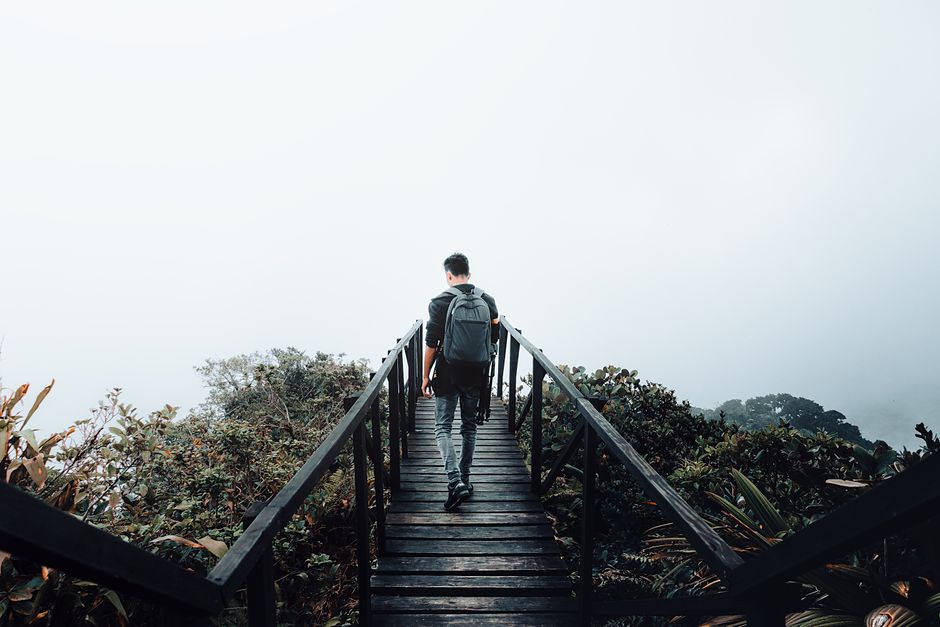
I see this constantly: solo travelers carrying 15kg daypacks for a 3-hour walk. They have a DSLR camera, three layers of extra clothes, a full first-aid kit, and 2 liters of water. Then they get tired, take a wrong turn, and run out of energy before the turnaround point.
Your daypack should weigh under 5kg. Here’s what goes in it:
- 1.5 liters of water (not 2+)
- A waterproof jacket (not a full change of clothes)
- Snacks: muesli bars, nuts, dried fruit
- A paper map of the trail (available at DOC visitor centers for free)
- A small first-aid kit with blister treatment
- A headlamp (even for a 2-hour walk — you don’t know when you’ll be delayed)
- A fully charged phone in airplane mode to save battery
Everything else stays in the car or the hostel locker. The lighter you are, the faster you move, the less likely you are to make bad decisions from fatigue.
Mistake 7: Trusting Google Maps for Everything
Google Maps is great for city streets. It is dangerous for New Zealand back roads, hiking trails, and ferry schedules. I’ve watched solo travelers drive 2 hours down a gravel road to a “scenic viewpoint” that was a locked farm gate. I’ve seen people miss the last ferry to Stewart Island because Google said the terminal was in a different location.
Use the official NZ Transport Agency app for road conditions — it shows real-time closures, snow chains requirements, and road works. For hiking, use the DOC website or the NZ Walking Access Commission’s maps. For ferries, book directly with Interislander or Bluebridge — don’t trust third-party aggregators.
The specific failure mode: Google Maps will route you through the old Milford Road in winter even when the Homer Tunnel is closed for avalanche control. The NZTA app will tell you the road is shut before you leave.
Mistake 8: Not Having a Financial Safety Net
New Zealand is expensive. A solo traveler can easily spend $200 NZD per day on accommodation, food, transport, and activities. But the real risk isn’t the daily cost — it’s the unexpected expense: a cancelled flight, a medical visit (even a minor one costs $100+ NZD for non-residents), or a rental car breakdown that requires a tow.
Carry a credit card with no foreign transaction fees and a backup debit card from a different bank. Keep $500 NZD in cash in a separate place from your wallet — enough for a night’s accommodation, a bus ticket, and a meal. If your card gets eaten by an ATM or your bank blocks your account for “suspicious activity” (this happens constantly), that cash is your lifeline.
I use a Wise debit card for travel — it holds multiple currencies, has low conversion fees, and I can freeze it instantly from my phone. I also keep a physical ANZ New Zealand travel money card loaded with NZD before I arrive. Two separate cards, two separate accounts. This is not paranoid — it’s basic risk management for solo travel.
Quick Reference: What to Do and What Not to Do
| Mistake | What to Do Instead | What It Costs You If You Don’t |
|---|---|---|
| Ignoring weather | Check MetService, carry waterproof + thermal | Hypothermia, ruined hike, rescue cost |
| Overdriving | Max 4 hrs/day, use InterCity buses | Crash, fatigue, missed activities |
| No backup communication | Prepaid SIM + offline maps + PLB for hikes | Stranded for hours, no help available |
| Isolated accommodation | Hostels with reception, social common areas | No help if injured or lost |
| Poor hut planning | Book ahead, carry stove and sleeping bag | Cold night, no food, no water |
| Overpacking daypack | Keep under 5kg, carry only essentials | Fatigue, wrong turns, injury |
| Relying on Google Maps | NZTA app, DOC maps, official ferry bookings | Wrong road, missed ferry, closed route |
| No financial backup | Two cards, $500 NZD cash, Wise debit card | Stranded with no funds, card blocked |
New Zealand is one of the best places on earth to travel solo. But it demands respect — for the weather, the distances, and the isolation. Avoid these eight mistakes, and you’ll have the trip of your life. Ignore them, and you’ll become another cautionary tale in a hostel common room.