
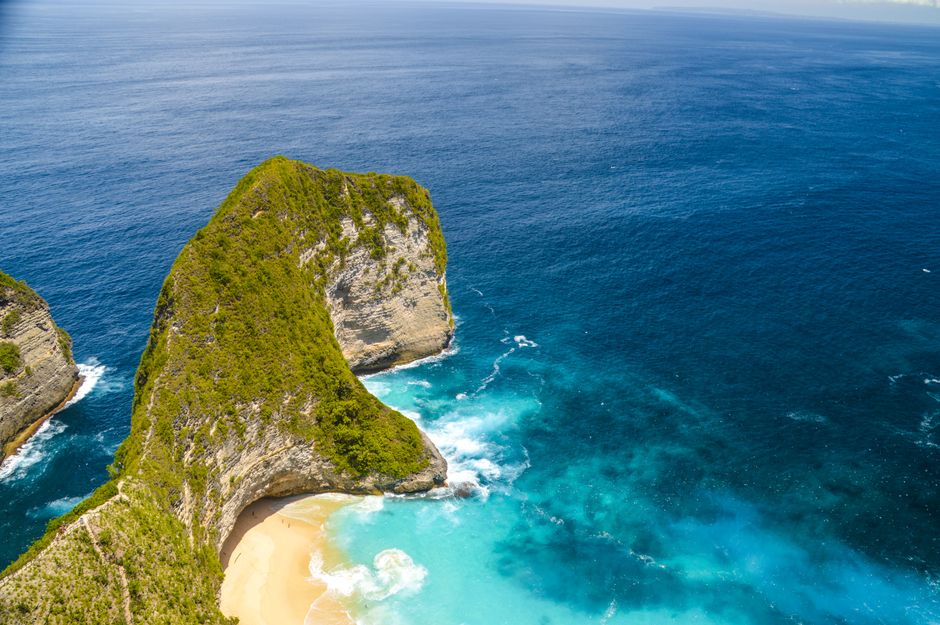
I’ve spent a combined eight months bouncing between Bali and Phuket over the last three years. Here’s the thing nobody tells you upfront: these two islands solve completely different problems. One is a sprawling cultural province masquerading as an island. The other is a concentrated tourism machine that’s terrifyingly efficient at separating you from your money in exchange for genuine comfort. Pick wrong, and you’ll spend your 2026 getaway wondering why everyone else seems to be having a better time.
The choice isn’t about which island is “better.” It’s about which version of paradise you actually need. Let me break down exactly how to decide.
The Fundamental Difference Nobody Explains
Bali isn’t really an island destination in the way most people imagine. It’s a full Indonesian province with a landmass of 5,780 square kilometers. Getting from the airport in Denpasar to Uluwatu can take two hours in traffic. Phuket, at 543 square kilometers, is roughly one-tenth the size and connected to mainland Thailand by a bridge. This size difference shapes everything.
In Bali, you’re committing to zones. You pick Seminyak, Canggu, Ubud, or Uluwatu and largely stay there. Moving between them eats half a day. In Phuket, you can breakfast in Old Town, beach-hop to Kata by noon, and catch sunset at Promthep Cape without feeling rushed. The island is navigable in a way Bali simply isn’t.
This also means Bali rewards longer stays. Two weeks minimum if you want to see three areas without burning out. Phuket works for a tight five-day window. I’ve done both, and the person who books four nights in Bali trying to “see it all” ends up spending more time in a Grab car than on a beach.
What This Means for Your 2026 Booking
If you have 5-7 days, lean Phuket. You’ll actually experience the place rather than its traffic. If you have 10+ days and want distinct chapters to your trip—rice terraces, then surf towns, then cliffside temples—Bali earns its logistical headaches.
Beach Quality: Phuket Wins, and It’s Not Close
I’m going to say something that’ll anger Bali loyalists: Bali’s beaches are, for the most part, mediocre. There are exceptions—the Bukit Peninsula has pockets of brilliance—but the iconic stretches like Kuta and Seminyak are gray-brown sand with aggressive shore breaks. Great for learning to surf. Terrible for the turquoise-water fantasy you probably have in your head.
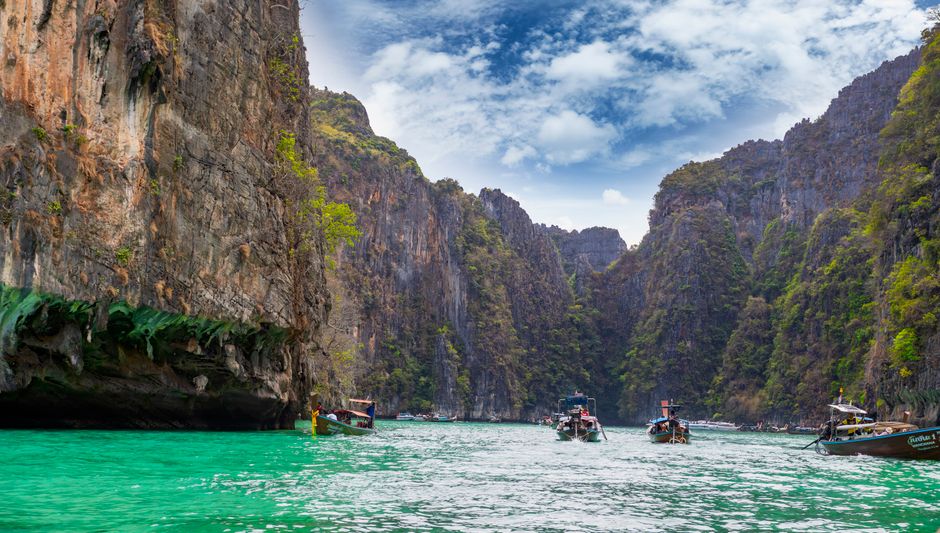
Phuket delivers the postcard. The Andaman Sea gives you that glassy, green-blue water. Kata Noi, Freedom Beach, and the northern stretches of Mai Khao are genuinely stunning. The sand is white and fine. You can swim without getting pummeled.
The tradeoff? Phuket’s best beaches are no secret. Freedom Beach requires a longtail boat or a steep hike, but you’ll still share it. Bali’s advantage is that the beach culture isn’t the main event—it’s one layer of a more complex experience. If you need the beach to be the star of your trip, Phuket is the answer. If you want beaches as a backdrop to other things, Bali works.
| Beach Factor | Bali | Phuket |
|---|---|---|
| Water Clarity | Variable; often murky on south coast | Excellent on west coast (Andaman side) |
| Sand Quality | Volcanic gray/brown; some white in Bukit | Fine white sand on most tourist beaches |
| Swimming Conditions | Strong currents; surf-focused | Calmer; better for casual swimming |
| Crowd Density | Spread out; zone-dependent | Concentrated; Patong is intense |
| Best For | Surf culture, beach clubs, variety | Swimming, snorkeling, classic tropical vibe |
Cost Reality Check for 2026
Both islands have inflated since 2026. The days of $15 luxury villas are dead in both places. But the way you spend money differs dramatically.
Bali’s accommodation market has gone slightly insane. A decent villa in Canggu with a private pool that cost $60/night in 2026 now runs $90-110. The mid-range is getting squeezed out. You’re either in a $25 guesthouse with questionable hot water or a $150+ boutique resort. The sweet spot is shrinking.
Phuket has more rungs on the ladder. You can still find solid 3-star hotels in Kata or Karon for $40-60/night that are clean, well-located, and professionally run. The hotel infrastructure is simply more mature. On the high end, both islands compete closely—five-star resorts in both places hover around $200-400/night for entry-level rooms at properties like the Four Seasons Jimbaran Bay or Rosewood Phuket.
Food costs tip slightly to Bali. A proper meal at a local warung still runs $2-3. Phuket’s equivalent street food is closer to $3-5. But Phuket’s restaurant scene in the mid-range is more consistent. I’ve had too many $12 smoothie bowls in Bali that were aggressively average. Phuket’s Thai food infrastructure means even tourist-oriented spots usually deliver.
The Hidden Cost: Transport
This is where Bali punishes you. Renting a scooter is non-negotiable in Bali unless you want to hemorrhage cash on taxis. A monthly scooter rental in Canggu runs about $60-80. In Phuket, the songthaew (shared truck-bus) system and more compact geography make it possible to skip the scooter entirely, though renting one is still the best way to explore. Grab fares in Bali add up fast because distances are long and traffic is slow.
The Crowd Problem: Who You’re Actually Vacationing With
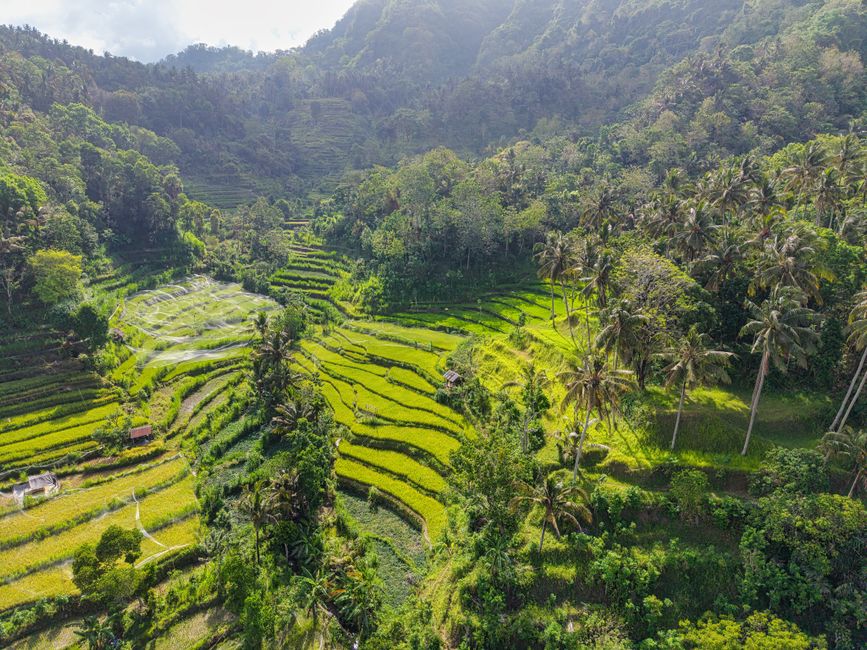
Let’s talk about the elephant in the room. Both islands are crowded in 2026. But the type of crowd is radically different, and this is where most people misalign their expectations.
Bali’s crowd skews digital nomad, wellness-seeker, and Australian surfer. Canggu in particular has become a parody of itself—cafes full of laptops, everyone in activewear they never sweat in, and a social scene that revolves around co-working spaces and ice baths. If you’re a remote worker looking for community, this is actually great. If you’re a couple on a romantic holiday, you might find the vibe oddly transactional.
Phuket’s crowd is broader and more traditional-tourism. Families from Europe, Russian tourists in significant numbers, package-holiday couples, and a healthy dose of older travelers. Patong is its own beast entirely—if you know, you know—but the rest of the island feels more like a conventional beach vacation destination. Less “trying to find myself,” more “trying to get a tan and eat good pad thai.”
Neither is better. But if you’re allergic to laptop-in-a-cafe culture, Bali’s main hubs will grate on you. If you want a creative, entrepreneurial energy around you, Phuket will feel spiritually empty by comparison.
When to Skip Bali Entirely
Bali is not the right choice if:
- You have less than a week. The transit times between areas will consume your trip.
- You want pristine, calm swimming beaches as the centerpiece of every day.
- You’re uncomfortable riding a scooter and don’t want to spend $15-25 per taxi ride multiple times daily.
- You’re seeking a quiet, low-stimulus retreat. Ubud’s traffic is genuinely shocking if you haven’t seen it.
- You want consistent, predictable service standards. Bali’s hospitality ranges from world-class to bafflingly indifferent.
Phuket isn’t the right choice if:
- You want cultural depth beyond temples and markets. Bali’s Hindu-Balinese culture permeates daily life in a way Phuket’s doesn’t.
- You’re a surfer. Phuket has waves, but Bali’s surf ecosystem is on another level.
- You want a “scene”—wellness, digital nomad, creative. Phuket’s social fabric is thinner.
- You’re on a shoestring budget. Bali’s floor is lower, even if it’s rising.
A Week-Long Itinerary Comparison
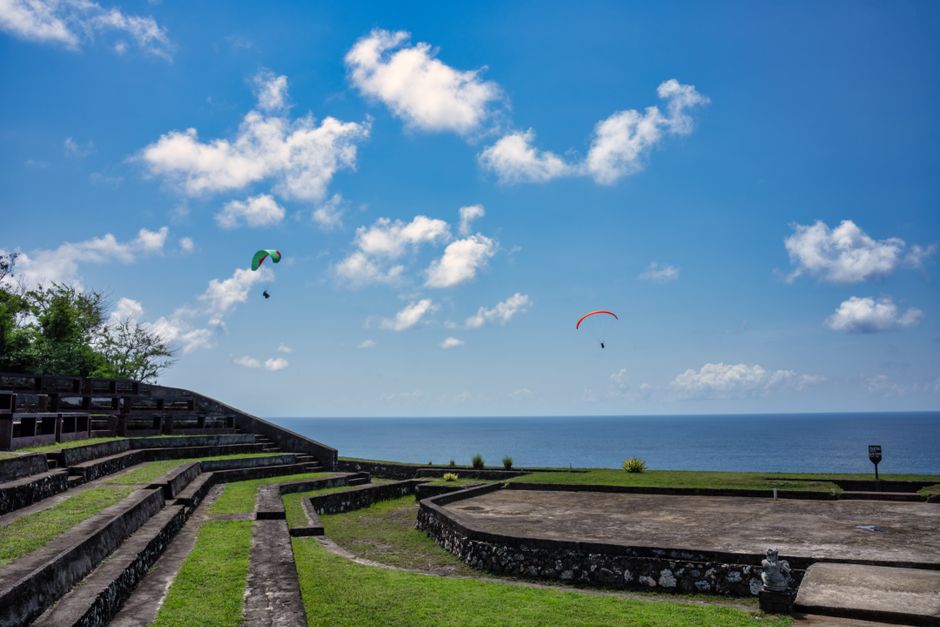
Here’s what a realistic 7-day trip looks like on each island, assuming you’re a first-timer who wants a mix of exploration and relaxation.
| Day | Bali (Canggu + Ubud Split) | Phuket (Single Base in Kata/Karon) |
|---|---|---|
| 1 | Arrive DPS; transfer to Canggu (1hr); sunset at La Brisa | Arrive HKT; transfer to Kata (1hr); beach afternoon |
| 2 | Surf lesson at Batu Bolong; explore Canggu cafes | Island-hopping day trip to Phi Phi or James Bond Island |
| 3 | Scooter to Tanah Lot temple; dinner in Seminyak | Explore Old Phuket Town; night market at Naka |
| 4 | Transfer to Ubud (1.5hrs); Tegallalang rice terraces | Beach day at Kata Noi; sunset at Promthep Cape |
| 5 | Monkey Forest; Ubud art market; yoga class | Big Buddha and Wat Chalong temple circuit |
| 6 | Day trip to waterfalls (Kanto Lampo or Tibumana) | Scooter to Rawai Beach; seafood lunch; Nai Harn Beach |
| 7 | Morning spa; transfer back to DPS (1.5hrs) | Last swim; transfer to HKT (1hr) |
Notice the Bali version involves a mid-trip transfer and more time in vehicles. The Phuket version keeps you in one area with day trips radiating outward. Both work, but the Phuket version is less logistically demanding.
The Verdict: Pick Your Poison
If I had to compress this into a single decision framework for 2026, here it is:
Choose Bali if you want a multi-act trip with distinct chapters—surf, culture, wellness, and nightlife in different zones. You’re comfortable on a scooter, have at least 10 days, and value creative energy and cultural texture over postcard-perfect beaches. Book your flights with a travel-friendly credit card that earns points on airline spend—the DPS airport routes add up.
Choose Phuket if you want a straightforward tropical holiday with excellent beaches, reliable infrastructure, and minimal logistical friction. You have a week or less, want to swim in clear water daily, and prefer professional hospitality over bohemian charm. Phuket’s hotel market works well with cashback cards and booking portal points—the chain hotel presence is much stronger here.
The mistake isn’t picking one over the other. The mistake is showing up to Bali expecting Phuket’s beaches, or landing in Phuket expecting Bali’s soul. Both islands will happily take your money either way. The question is whether you’ll get what you actually came for.
In 2026, both destinations are more expensive, more crowded, and more Instagrammed than ever. The edge goes to the traveler who understands what each place fundamentally is, not what the marketing wants you to believe.