

Are you looking for the thunderous roar of firecrackers and the vibrant chaos of dragon dances, or are you searching for a corner of the world where the world’s largest human migration won’t disrupt your peace? The decision of where to spend the Lunar New Year—often referred to as the Spring Festival—is rarely a simple one. It involves a complex calculation of cultural immersion versus logistical sanity. For many, the holiday is a time of intense reunion, leading to the phenomenon known as Chunyun, where hundreds of millions of people travel simultaneously. For the international traveler, this creates a unique set of challenges and opportunities.
Choosing the right destination requires an understanding of how different regions celebrate. In Mainland China, the atmosphere is deeply traditional but can be difficult to navigate due to widespread closures. In contrast, hubs like Singapore or Taipei offer a more accessible blend of festivities and tourist infrastructure. Meanwhile, those seeking to avoid the holiday rush entirely might look toward destinations that do not observe the Lunar calendar as a public holiday. This analysis explores the nuances of these choices, weighing the emotional pull of tradition against the practicalities of modern travel.
Where to find the most traditional Chinese New Year celebrations in 2026?
If your primary goal is to witness the holiday in its most concentrated form, you must head to the cultural heartlands. Beijing remains a top contender for those who don’t mind the biting northern cold. The city transforms during the Spring Festival, specifically through its legendary temple fairs (miaohui). Ditan Park and Longtan Park host the most famous of these, where you can find traditional puppet shows, martial arts demonstrations, and an endless array of street food like tanghulu (candied hawthorn berries).
However, the trade-off in Beijing is significant. Many small businesses, family-run restaurants, and local markets close for at least the first three to five days of the festival. You will find yourself relying more on international hotel chains and large shopping malls for basic needs. The city also feels strangely empty in the residential districts while being overwhelmingly crowded at major tourist sites. It is a surreal juxtaposition that requires a flexible mindset.
Taipei and the Pingxi Lantern Festival
Taipei offers a different, perhaps more manageable, traditional experience. The city doesn’t shut down as completely as Beijing, and the festive spirit is palpable in areas like Dihua Street, where locals flock to buy New Year goods. The highlight of the season in Taiwan is undoubtedly the Pingxi Sky Lantern Festival, held on the first full moon of the New Year (the Lantern Festival). Watching thousands of glowing lanterns drift into the night sky over the mountains is a profound experience, though it requires careful planning to navigate the shuttle buses from Taipei Main Station.
Hong Kong’s Urban Spectacle
Hong Kong provides a high-octane version of the holiday. The Chinese New Year Parade in Tsim Sha Tsui and the massive fireworks display over Victoria Harbour are world-class events. The flower markets at Victoria Park are a sensory overload of orchids, cherry blossoms, and mandarin trees, which locals buy to bring good luck into their homes. Unlike the mainland, Hong Kong’s retail sector remains quite active, making it a safer bet for travelers who want to ensure they can still shop and dine without restriction.
Which locations offer a quiet alternative to the Spring Festival rush?
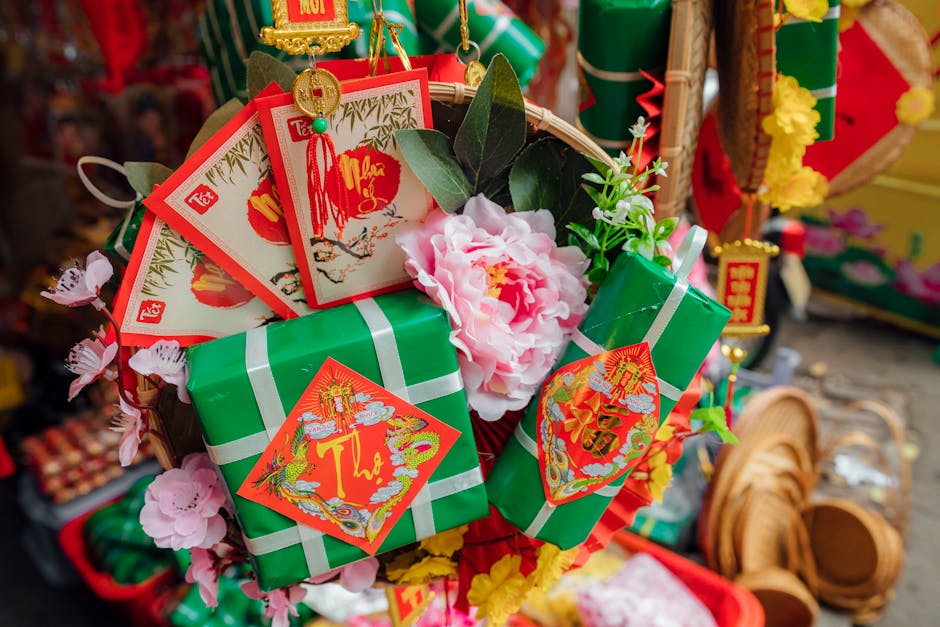
For some travelers, the best way to experience the Lunar New Year is to be nowhere near it. If you are in East Asia during this period but want to avoid the closures and the crowds, you have to look for countries where the holiday is not a major public event. Japan is the most prominent example. While Japan shares deep cultural roots with China, it switched to the Gregorian calendar during the Meiji Restoration. Consequently, late January or early February is a standard working period in Tokyo, Kyoto, and Osaka.
Hokkaido is particularly attractive during this time. While you might encounter Chinese tourists taking advantage of the holiday week, the local infrastructure operates at full capacity. You can enjoy the Sapporo Snow Festival—which often coincides with the Lunar New Year—without worrying about restaurant closures. It is a way to enjoy the winter season in Asia while bypassing the logistical gridlock of the Sinosphere.
The Australian Outback and Western Australia
If you want to escape the winter entirely, the Southern Hemisphere offers a complete reversal of the Spring Festival experience. Western Australia, particularly the Ningaloo Reef or the Margaret River region, is in the height of summer during the Lunar New Year. While Perth has a small Chinatown with lion dances, the vast majority of the state remains unaffected by the holiday. This is the ideal choice for those who want to trade firecrackers for turquoise waters and quiet vineyards. The travel time is significant, but the reward is a total disconnect from the festive frenzy.
| Destination | Crowd Level | Cultural Intensity | Business Closures |
|---|---|---|---|
| Beijing | Very High | Extreme | Widespread (3-7 days) |
| Hong Kong | High | High | Minimal in tourist areas |
| Singapore | Moderate | Moderate | Limited to first 2 days |
| Tokyo | Low (Local) | None | None |
| Perth | Low | Minimal | None |
How to navigate the logistical challenges of the world’s largest migration?
The Chunyun period lasts for 40 days, centered around the New Year date. During this time, the pressure on transportation networks is immense. If you are planning to travel within Mainland China or even between major Asian hubs like Bangkok and Singapore, you must book your tickets the moment they become available. For Chinese high-speed rail, this is typically 15 days in advance. For international flights, the “sweet spot” for pricing usually disappears three months before the holiday.
Expect flight prices to surge by 50% to 200% on popular routes. It is not just about the cost; it is about availability. Regional low-cost carriers often sell out completely. If you are moving between cities, consider booking private transfers or using high-end bus services which, while slower, are often less frantic than the major rail hubs. The key is to minimize movement during the three days before and the three days after the New Year’s Day. Pick a city and stay there.
Pro tip: Use the 12306 official app for Chinese trains, but ensure your passport verification is completed weeks before you intend to buy. The verification process can be slow and is a common hurdle for last-minute planners.
What retail essentials and travel gear do you need for a winter festival?
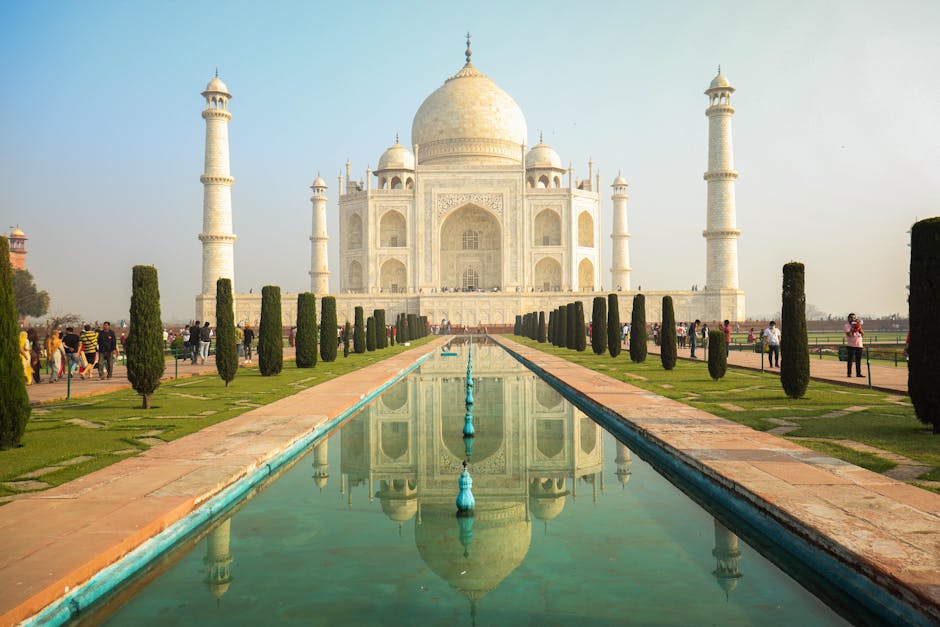
Traveling during the Lunar New Year often involves enduring cold climates and dense crowds. Your gear needs to reflect these dual challenges. High-quality retail investments can significantly improve your comfort levels. Since you will likely be spending hours outdoors at temple fairs or parades, thermal management is your first priority. A heavy down parka is essential, but so is the ability to shed layers quickly when entering heated shopping malls or crowded subway cars.
Noise-Canceling Technology for Transit
Given the volume of people moving through airports and train stations, noise-canceling headphones are no longer a luxury—they are a survival tool. The Sony WH-1000XM5 (approx. $348) remains a top recommendation for this specific type of travel. Its industry-leading noise cancellation can effectively drown out the roar of a crowded terminal or the high-pitched announcements of a train station.
Pros: Exceptional battery life (30 hours), superior microphone quality for calls, and a very comfortable fit for long-haul flights.
Cons: The design does not fold as compactly as previous models, and the price point is high compared to mid-range alternatives.
Durable Luggage for Crowded Hubs
You also need luggage that can withstand being jostled in massive crowds. A hardshell spinner is preferable to a soft-sided bag because it provides better protection for any fragile New Year gifts or tea you might purchase. The Samsonite Freeform Hardside (approx. $160-190) is a reliable choice.
Pros: Extremely lightweight, features a built-in TSA lock, and the 360-degree wheels are smooth enough to navigate through tight airport queues.
Cons: The outer shell can scuff easily if checked, and the internal organization is somewhat basic.
How to manage international connectivity and financial transactions abroad?
Staying connected is vital when you are navigating a city where half the shops are closed and you are relying on real-time map updates to find open restaurants. Traditional roaming plans from your home carrier are often prohibitively expensive. Instead, look for regional eSIM providers. For travel within Asia, an eSIM that covers multiple countries (like Japan, South Korea, and China) is often the most cost-effective solution. This allows you to cross borders without needing to find a physical SIM kiosk in a crowded airport.
Telecom logistics in China specifically require a VPN if you intend to use Western social media or Google services. However, if you use a roaming SIM or a travel eSIM, you can often bypass the “Great Firewall” naturally, as your data is routed through servers in Hong Kong or Singapore. This is a significant advantage for travelers who need to stay in touch with work or family via WhatsApp or Gmail.
Financial Logistics and Currency Exchange
Financially, the Lunar New Year presents a unique challenge: the need for crisp, new banknotes. In many Asian cultures, giving “Red Envelopes” (hongbao or lai see) is a core tradition. If you are visiting friends or staying in high-end hotels, you may want to have some small denominations of local currency. However, for your general spending, the region is rapidly moving toward cashless payments.
In Mainland China, Alipay and WeChat Pay are dominant. Recent updates have made it much easier for international travelers to link their foreign credit cards to these apps. For other destinations like Hong Kong or Singapore, a multi-currency card like Wise or Revolut is indispensable. These cards allow you to hold local currency and spend with minimal transaction fees.
Pros: Real-time exchange rates, no hidden markups, and an easy-to-use app for freezing the card if lost.
Cons: Monthly limits on free ATM withdrawals can be restrictive if you are in a cash-heavy area.
Which Southeast Asian hubs balance modern luxury with traditional festivities?
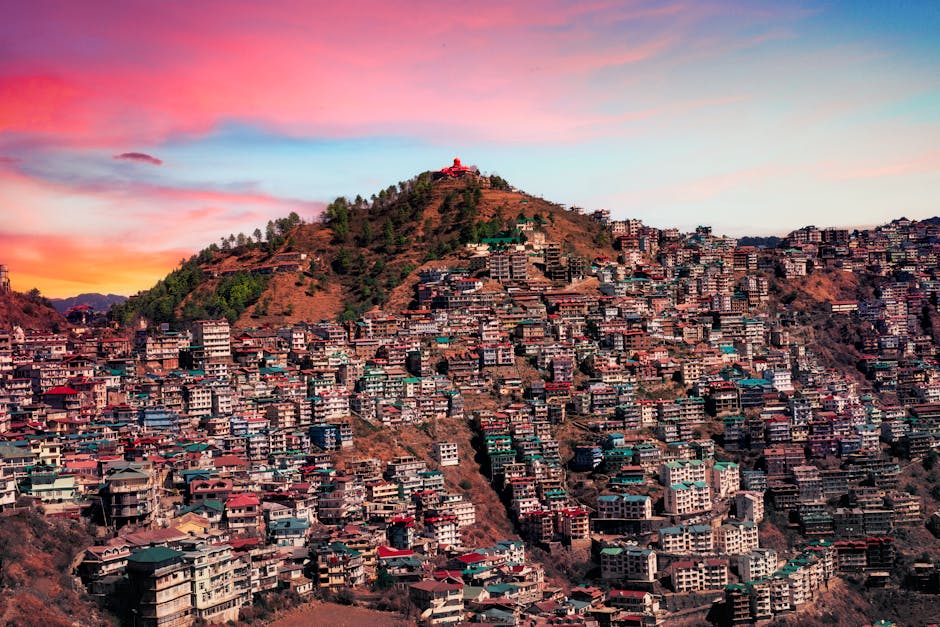
If you want the celebration without the extreme cold of Beijing or the logistical hurdles of the mainland, Southeast Asia offers several excellent alternatives. Singapore is perhaps the most “traveler-friendly” place to experience the Lunar New Year. The River Hongbao festival at Gardens by the Bay features massive illuminated lanterns and cultural performances. The Chingay Parade is a flamboyant street procession that showcases the city’s multicultural identity. Singapore’s efficiency means that even during the peak of the holiday, the public transport remains impeccable.
Penang, Malaysia: A Hidden Gem
George Town in Penang is another remarkable destination. The Kek Lok Si Temple is draped in tens of thousands of lights and lanterns, creating a stunning visual display on the hillside. Penang’s Chinatown is one of the most authentic in the region, and the food culture here is legendary. You can experience the Hokkien New Year (the 9th day of the festival), which is celebrated with even more fervor than the first day in this particular community. It involves massive offerings of sugarcane and a highly communal atmosphere.
Bangkok: Yaowarat’s Energy
Bangkok’s Chinatown, centered around Yaowarat Road, hosts one of the largest Lunar New Year celebrations outside of China. The street is closed to traffic, and the Thai Royal Family often participates in the festivities. It is loud, crowded, and incredibly energetic. The benefit of Bangkok is that the rest of the city continues to function normally. You can spend your morning at a traditional Chinese shrine and your afternoon at a high-end rooftop bar or a world-class spa, providing a balance that is hard to find elsewhere.
Ultimately, the best place to visit during the Chinese New Year depends on your tolerance for crowds and your desire for authenticity. If you seek the raw energy of the tradition, the northern hubs of China are unbeatable. If you want a sanitized, luxury version, Singapore is your destination. And if you simply want a quiet winter holiday, Japan offers the perfect refuge. Whichever you choose, the key to a successful trip lies in early booking and having the right gear to navigate the most significant cultural event on the Asian calendar.