
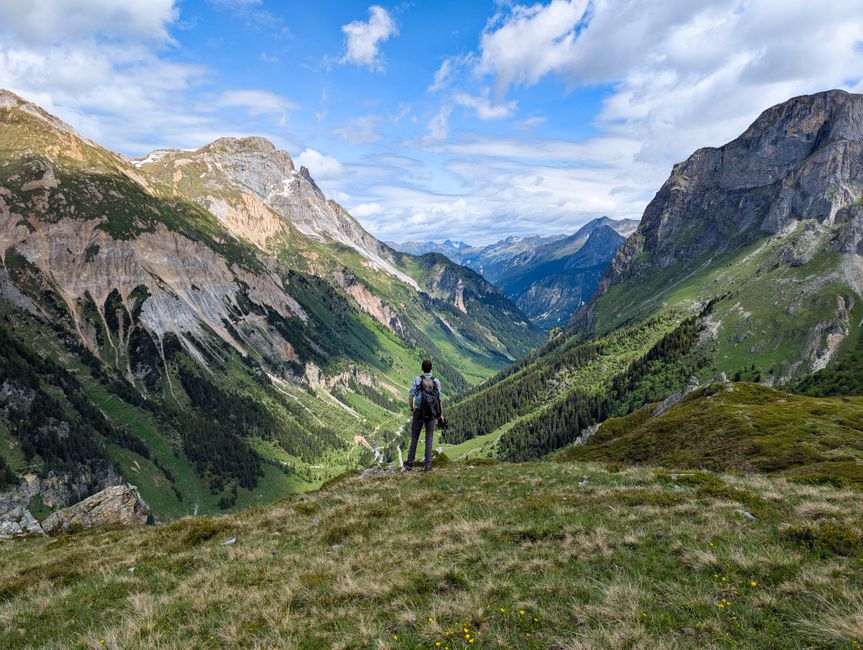
You have just arrived in Delhi, Jaipur, Mumbai, or Goa. The first meal tastes excellent, but by the next morning your plans depend on finding a bathroom. Traveler’s diarrhea can happen even to careful visitors, so the goal is risk reduction and a clear response plan, not fear of every local dish. The CDC reports that travelers to India face a high risk during a two-week trip. The practical rules below focus on the food, water, hands, and treatment decisions that matter most.
Why Traveler’s Diarrhea Risk Is High in India
The best prevention mindset is to manage the whole food and water chain. Traveler’s diarrhea usually follows the ingestion of bacteria, viruses, parasites, or toxins through contaminated food, drinks, ice, hands, utensils, or surfaces. India is not one uniform risk zone. A well-run hotel in Bengaluru, a family restaurant in Kerala, a railway platform, and a remote trekking stop can have very different water, refrigeration, and hand-washing conditions. The same city can offer both low-risk and high-risk meals within a few streets.
Why careful travelers still get sick
Food safety advice helps, but it cannot control every step between cooking and serving. A dish may be cooked properly and then contaminated by a dirty ladle, unwashed hands, unsafe rinse water, or a plate stored on a damp counter. Hot weather also makes poor refrigeration more dangerous. In South Asia, risk can rise during hot periods before the monsoon. That explains why a traveler can follow sensible rules and still become ill. It does not mean the rules are useless; it means they lower exposure rather than create perfect protection.
What the illness does to a trip
Most healthy adults recover, but diarrhea removes both water and electrolytes. Vomiting, heat, long train journeys, and limited bathroom access can turn a manageable illness into a serious travel problem. Older adults, young children, pregnant travelers, and people with kidney disease, diabetes, inflammatory bowel disease, or weakened immunity need a more cautious plan. Read the CDC Yellow Book 2026 guidance before departure and discuss personal risks with a clinician.
How to Choose Safer Food and Drinks in India

Use this decision order at each meal: water first, temperature second, turnover third, and raw ingredients last. You do not need to reject Indian cuisine. You need to favor food that reaches you hot, fresh, and with few chances for contamination.
A five-step meal check
- Choose sealed or treated water. Check that the cap on bottled water is intact. Avoid tap water unless a trusted source confirms that it has been treated for drinking.
- Skip ice unless the venue uses purified water. Ice can introduce contamination after a safe drink has been poured.
- Order food cooked through and served steaming hot. Freshly prepared dosa, idli, rice, curry, or grilled meat is a better choice than food sitting at room temperature.
- Peel fruit yourself. Bananas, oranges, and fruit you can wash with safe water and peel are safer than pre-cut fruit or raw salad.
- Be selective with dairy, seafood, and meat. Choose pasteurized dairy and busy venues with reliable refrigeration. Avoid raw shellfish and undercooked eggs.
How to judge a street-food stall
Street food is not automatically unsafe, but a high-turnover stall with food cooked in front of you is a stronger choice than a quiet stall serving lukewarm trays. Watch the vendor for a minute. Are cooked items kept separate from raw ingredients? Does the server handle cash and food with the same bare hand? Is the oil smoking, or is the food simply being reheated? Pick one hot item, eat it immediately, and avoid raw chutney, sliced onions, and sauces that have sat uncovered. My verdict: choose street food only when heat and turnover are obvious; otherwise, use a busy restaurant with visible kitchen activity.
The Safest First 24 Hours of Eating
For a first day in India, the winning strategy is simple: eat familiar, cooked food in small portions and keep your water source controlled. This does not prove that your stomach must adapt slowly, but it removes several avoidable exposures while jet lag and heat already place stress on your body.
Breakfast and drinks
Start with sealed bottled water, tea or coffee made with boiling water, and hot foods such as idli, dosa, eggs cooked through, or porridge served straight from the kitchen. Brush your teeth with the same safe water you drink. Do not assume that a hotel buffet is safe just because the hotel looks expensive; choose dishes that are hot and freshly replenished, not cold salads or fruit already cut and displayed.
Lunch, dinner, and snacks
Choose a freshly cooked thali, rice dish, soup, or curry from a busy restaurant, then add raw foods later in the trip only if the preparation looks reliable. Packaged biscuits, bananas, roasted nuts, and sealed yogurt can provide easy backup food during a long transfer. Avoid trying several rich dishes, alcohol, and large amounts of very sweet drinks on the same day. My clear recommendation for arrival day is a hot vegetarian meal from a busy kitchen, sealed water, and no ice or raw garnish. It gives you the most control without turning travel into a sterile routine.
Hand Hygiene and Water Treatment: A Practical Comparison
Hand hygiene is one of the cheapest ways to reduce exposure, but water treatment tools have limits. The right choice depends on what you are treating and how much uncertainty you can manage.
Which option solves which problem?
| Option | Useful specification | Best use in India | Main limitation |
|---|---|---|---|
| Soap and safe water | Wash for about 20 seconds | Before meals and after using the bathroom | Not always available during transfers |
| Purell Advanced Hand Sanitizer | Travel-size 2 fl oz bottle; alcohol-based formula | Fast hand cleaning when soap is unavailable | Less useful on visibly dirty or greasy hands |
| SteriPEN Ultra | UV treatment for about 1 liter in roughly 90 seconds | Back-up treatment for clear water | Needs charged batteries and clear water; does not remove chemicals |
| LifeStraw Peak Series Personal Water Filter | 0.2-micron membrane filter | Emergency filtration for compatible water sources | A filter alone may not address viruses or every contaminant |
The practical verdict
Carry sanitizer, but treat it as a backup rather than a replacement for soap. Purell Advanced Hand Sanitizer is convenient for airports, trains, and roadside stops. A SteriPEN Ultra makes more sense for travelers who expect uncertain but clear water and can keep electronics charged. The LifeStraw Peak Series is useful for hiking and emergency situations, but it is not a universal answer for untreated urban water. For ordinary hotel travel, sealed water and a working bathroom sink are simpler and more reliable than depending on a gadget.
What to Do When Diarrhea Starts
Do not wait until the third or fourth episode to act. Stop alcohol, heavy meals, and risky water immediately, then focus on fluid replacement and the severity of your symptoms.
What should you drink first?
Use an oral rehydration solution when diarrhea is frequent, vomiting is present, or you feel weak and dry. Mix a commercial ORS packet with exactly the volume of safe water printed on its package. Some products use 1 liter, while products such as Dioralyte are commonly mixed in smaller measured amounts, so never guess or make the solution extra concentrated. Sip steadily rather than drinking a large amount at once. Plain water helps, but it does not replace electrolytes well after substantial fluid loss. Very sugary soda can make diarrhea worse when consumed in large amounts.
Which medicines have a place?
For non-bloody diarrhea without fever, adults may use an over-the-counter option such as Imodium A-D 2 mg loperamide, following the package directions and personal medical advice. Pepto-Bismol 262 mg chewables can help some adults, but people allergic to aspirin, taking certain blood thinners, pregnant travelers, and children should ask a clinician before using bismuth. Do not use loperamide alone for bloody diarrhea or diarrhea with fever. Do not start leftover antibiotics or buy a random antibiotic locally. A travel clinician may prescribe a standby medicine, often based on destination, allergies, and medical history. My verdict: hydration comes first; symptom medicine is a limited tool, not a cure.
Which Symptoms Need Medical Care?
Blood, fever, severe pain, or dehydration changes the decision from self-care to medical assessment. Do not let a planned train, flight, or tour push you into hiding serious symptoms.
Seek prompt help for these red flags
- Blood or black stool, repeated vomiting, severe or worsening abdominal pain, fainting, confusion, or trouble staying awake.
- Signs of dehydration such as very little urine, intense thirst, a dry mouth, dizziness when standing, or unusual weakness.
- A high fever, severe diarrhea that prevents normal activity, or symptoms in a young child, older adult, pregnant traveler, or immunocompromised person.
- Diarrhea that does not start improving within 48 to 72 hours, or symptoms that continue after returning home.
What to tell a clinician
Give the clinician your route, dates, food and water exposures, swimming or trekking activities, medicines taken, and any fever or blood. If diarrhea lasts more than two weeks, parasites such as Giardia become more relevant and testing may be needed. A fever after time in a malaria-risk area also requires urgent attention; diarrhea should not distract you from that possibility. Contact your travel insurer or hotel only for logistics after you have arranged medical care. The World Health Organization information on oral rehydration salts explains why replacing both fluid and electrolytes matters.
What to Pack and the Final India Rule
Pack for rapid hydration, not for a pharmacy shelf. A small kit should include several ORS packets, hand sanitizer, tissues, your regular medicines, a digital thermometer, and a sealed bag for contaminated clothing. Add loperamide only if it is safe for you and you understand when not to take it. If a clinician has prescribed a standby antibiotic, carry the prescription and written instructions with it.
A compact health-kit shortlist
Choose products you can identify and use correctly: Dioralyte or another correctly labeled ORS, Purell Advanced Hand Sanitizer for situations without soap, Imodium A-D 2 mg for selected non-bloody episodes, and Pepto-Bismol 262 mg only when its ingredients are appropriate for you. Travelers using a SteriPEN Ultra should bring its charging cable and a backup plan for cloudy water. The most common packing mistake is buying a product and never checking its active ingredient, mixing volume, age limits, expiry date, or interaction warnings.
The rule that protects the trip
On every travel day in India, make the same three decisions: drink water from a trusted source, choose food that is hot and freshly prepared, and clean your hands before eating. If illness starts, begin ORS early and judge symptoms by severity, not by how inconvenient they are. For a typical healthy adult, that approach is more useful than taking preventive antibiotics or refusing every local dish. This is not legal advice — consult a licensed attorney. For medical decisions, consult a travel-health clinician before departure and seek care promptly when red flags appear.