
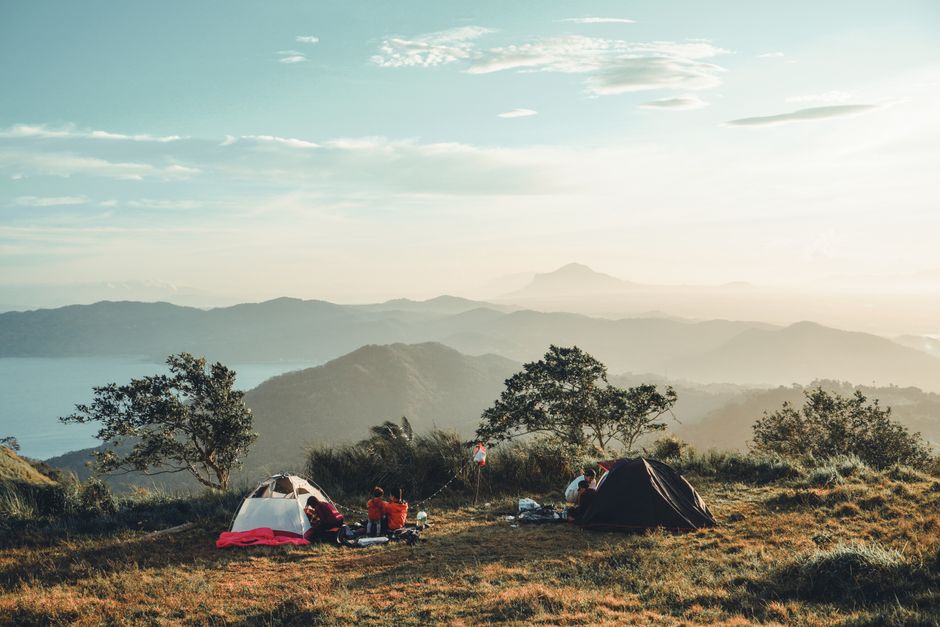
Lantau Island delivers two completely different trips depending on when you book. One version gives you razor-sharp views from the Tian Tan Buddha platform across the South China Sea. The other version hands you a wall of grey mist so thick you cannot see the toes of the bronze statue above you. The difference comes down to humidity percentages, not luck.
Hong Kong’s largest island sits at the mercy of the East Asian monsoon. From November through March, continental air masses push down from mainland China and strip moisture from the sky. From April through October, tropical maritime air rolls in from the South China Sea and saturates everything. Pick the wrong month and you will ride the Ngong Ping 360 cable car through a cloud that delivers zero scenery for your $235 HKD round-trip ticket.
What You Actually Pay For: Visibility vs. Temperature
Most guides fixate on temperature. That is a mistake here. Lantau’s hiking trails and viewpoints live or die by visibility, not warmth. A 28°C day with 95% humidity and 3km visibility ruins every photo opportunity. A 14°C day with 40% humidity and 25km visibility makes the same spots spectacular.
The Hong Kong Observatory publishes monthly visibility averages. I pulled their data for the Ngong Ping highland station (elevation 593m) because coastal stations skew optimistic. Here is what actually happens:
| Month | Avg Visibility (km) | Humidity % | Rain Days | Photo Quality |
|---|---|---|---|---|
| January | 18-22 | 68 | 5 | Excellent |
| February | 14-18 | 75 | 8 | Good (fog risk early month) |
| March | 10-14 | 82 | 10 | Unpredictable |
| April | 8-12 | 85 | 12 | Poor (sea fog common) |
| May | 6-10 | 86 | 15 | Poor |
| June | 5-8 | 87 | 19 | Very Poor |
| July | 6-9 | 85 | 17 | Poor (occasional typhoon clearings) |
| August | 7-10 | 84 | 16 | Poor |
| September | 8-12 | 80 | 13 | Improving late month |
| October | 14-18 | 72 | 7 | Excellent |
| November | 18-24 | 65 | 4 | Excellent |
| December | 20-25 | 63 | 3 | Excellent |
Data sourced from Hong Kong Observatory 30-year averages for Chek Lap Kok and Ngong Ping stations. Visibility figures represent clear-day ranges, not all-day averages.
The pattern is stark. October through January deliver the best viewing conditions. November is the sweet spot: low humidity, almost no rain, temperatures comfortable for hiking (19-24°C), and visibility routinely exceeding 20km. You can see all the way to Macau on the clearest days.
The Cable Car Works Against You in Summer
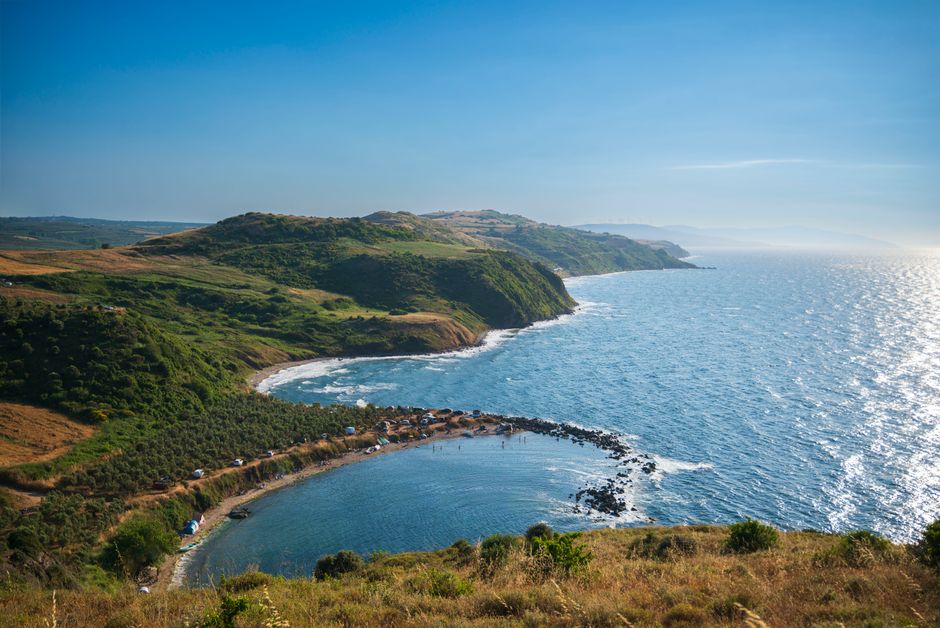
The Ngong Ping 360 gondola shuts down in high winds and thunderstorms. Summer months average 3-5 closure days per month for weather. Even when it operates, you gamble on whether the 25-minute ride shows you anything.
Here is the specific failure mode nobody mentions: the thermal inversion trap. From May through August, warm moist air gets pinned against Lantau’s peaks by cooler air above. The cable car climbs straight into this layer. You leave Tung Chung in sunshine, enter a grey void at 300 meters, and emerge at Ngong Ping village unable to see the Buddha statue 50 meters ahead. The ticket costs the same either way.
If you must visit during summer, book the 8:30 AM first departure. Morning fog burns off partially by 9:30-10:00 AM on roughly 40% of summer days. Afternoon storms typically build by 2:00 PM. That gives you a narrow window. Also, buy the crystal cabin (glass floor) upgrade only for winter visits. Paying extra to see grey mist beneath your feet is pointless.
Typhoon Season: The Real Risk Window
July through September is peak typhoon season. The Hong Kong Observatory issues warning signals 1-10. At Signal 3, the cable car suspends operations. At Signal 8, all public transport to Lantau stops, including MTR services to Tung Chung station. You can get stranded. Check the HKO app the morning of your visit. Refund policies on pre-booked Ngong Ping 360 tickets exclude weather cancellations, so book day-of during typhoon season.
The Lantau Trail Section 3 Reality Check
Section 3 of the Lantau Trail runs from Pak Kung Au to Ngong Ping across 4.5km of exposed ridge. This is the most photographed stretch, with views down both sides of the island. It is also the most weather-dependent section of any Hong Kong hiking trail.
In December, the ridge delivers panoramic views across Silver Mine Bay, Cheung Sha Beach, and the Soko Islands. The trail surface stays dry and grippy. In June, the same ridge becomes a slip hazard with 90% humidity, zero breeze, and visibility sometimes under 100 meters. You will not see the view. You will just sweat through your shirt and curse the decision.
The trail has almost no shade. There is no water source between Pak Kung Au and Ngong Ping. Summer hikers routinely underestimate this and show up with one 500ml bottle for a 2.5-hour exposed hike in 32°C heat. Do not be that person. November through February, one liter is sufficient. June through September, carry two liters minimum and start at 7:00 AM.
One Month to Avoid, Two Months to Target
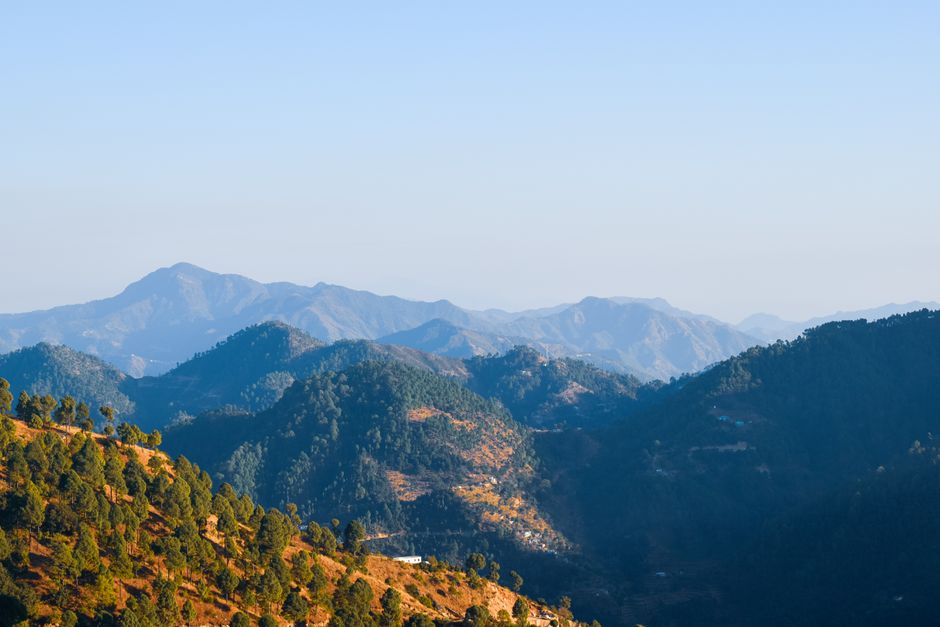
Avoid March entirely. March looks tempting on paper. Temperatures are warming, flights to Hong Kong are cheaper than the October-November peak, and the humidity hasn’t hit summer levels yet. But March is the foggiest month on Lantau’s peaks. The combination of warming land and still-cool sea creates persistent advection fog that sits on the highlands for days at a time. I have seen March weeks where Ngong Ping recorded zero hours of visibility above 5km. The Buddha platform turns into a white room. Skip it.
Target late October through early December. This window combines the post-monsoon clarity with comfortable hiking temperatures and low rainfall. The dry northeast monsoon establishes itself by mid-October and holds steady through December. Trail surfaces are firm. The cable car runs reliably. The sun sets around 5:40 PM in November, giving you full hiking days without the crushing heat.
Second choice: mid-January through February. Colder (10-16°C at elevation) but visibility remains strong. Chinese New Year falls in this window some years, which adds crowds at Ngong Ping but also brings festive energy to Tai O fishing village. Pack a fleece for the cable car. The cabins are unheated and the wind chill at 500 meters cuts through lightweight layers.
Tai O Village: The Tidal Factor
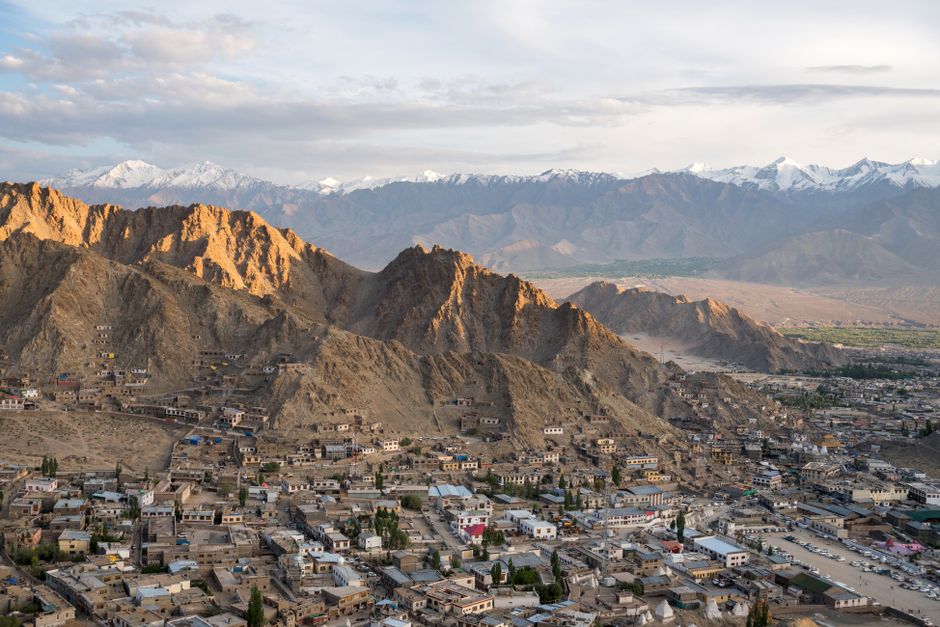
Tai O’s stilt houses and pink dolphin boat tours depend on tides, not just weather. The dolphin-watching boats cannot navigate the narrow channels at low tide. The mudflats expose themselves and the smell intensifies. High tide floats the boats, fills the channels, and makes the whole village look like the postcard version.
Check the Hong Kong Observatory tide table for Tai O before booking your Lantau day. Aim for a high tide between 10:00 AM and 2:00 PM. This lets you see the village at its best and gives the dolphin boats enough water to operate. Low tide visits in January are fine visually but the boat tours cancel. Low tide visits in July combine mudflat odor with 33°C heat. Do not do that.
The salted fish shops and shrimp paste factories operate year-round. The Tai O Heritage Hotel, a converted colonial police station, makes a good lunch stop regardless of season. Their glass-walled restaurant overlooks the South China Sea and costs about $200-300 HKD per person for lunch.
One final note on Tai O: the pink dolphins are wild Indo-Pacific humpback dolphins. Sightings are never guaranteed. The boat operators claim 90% success rates. Hong Kong Dolphin Conservation Society data suggests actual sighting probability is closer to 60% in winter and 40% in summer due to rougher sea conditions. Manage expectations accordingly.
The single most important takeaway: Lantau Island rewards the visitor who prioritizes visibility over temperature, and the clearest views happen when most tourists are not booking.