
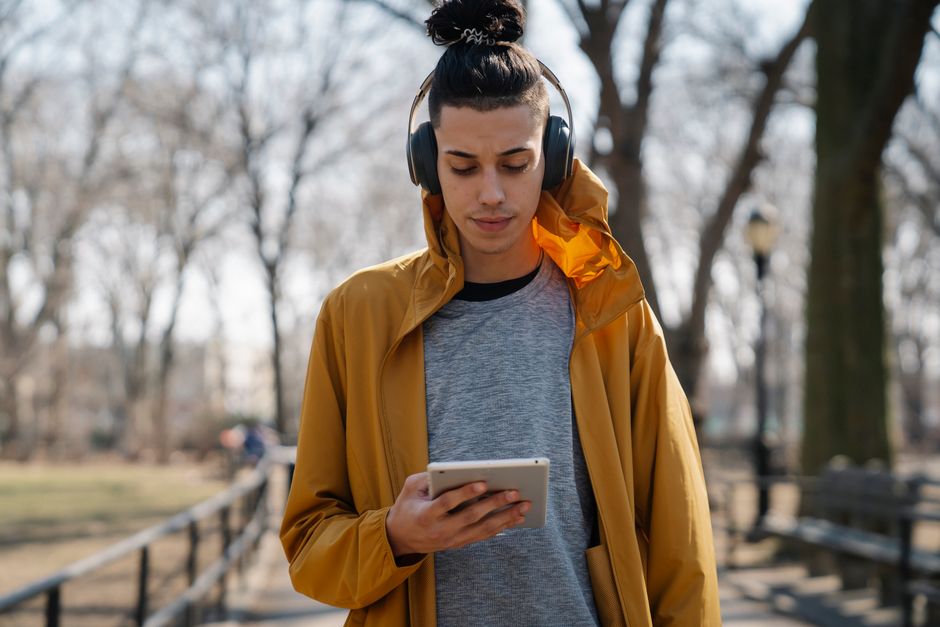
I spent three weeks dragging both the Sony WH-1000XM5 ($328) and Bose QuietComfort Ultra ($429) through six airports, four coffee shops, two co-working spaces, and one 14-hour flight to Istanbul. Not because I enjoy carrying duplicate gear. Because I wanted to know which pair actually lets you work on the go without wanting to throw them against a wall.
The short version? They’re both excellent. But they solve fundamentally different problems for the traveling remote worker. Pick the wrong one and you’ll regret it by hour three of your flight.
What Remote Workers Actually Need From Noise-Cancelling Headphones
Travel noise isn’t one problem. It’s at least four different problems stacked on top of each other. A coffee shop hum is not the same as a plane engine drone is not the same as someone’s toddler screaming three rows back. Yet most headphone reviews test ANC by playing white noise in a studio and calling it a day.
For remote work on the move, you need headphones that handle three distinct scenarios:
Focus sessions in unpredictable environments. Co-working spaces where someone’s always on a call. Hotel lobbies with piped-in jazz. The ANC needs to handle irregular, mid-frequency noise — human voices — not just low-end rumble.
Calls where you don’t sound like you’re underwater. The microphone is arguably more important than the ANC for remote workers. Your client doesn’t care that your headphones blocked out a busker. They care that they can hear you clearly.
Long-haul comfort. A headphone that feels plush for 45 minutes might become a torture device at hour six. Clamping force, heat buildup, and ear pad depth all matter more the longer you wear them.
Both Sony and Bose understand these needs on paper. In practice, they made very different tradeoffs.
The ANC Gap That Actually Matters
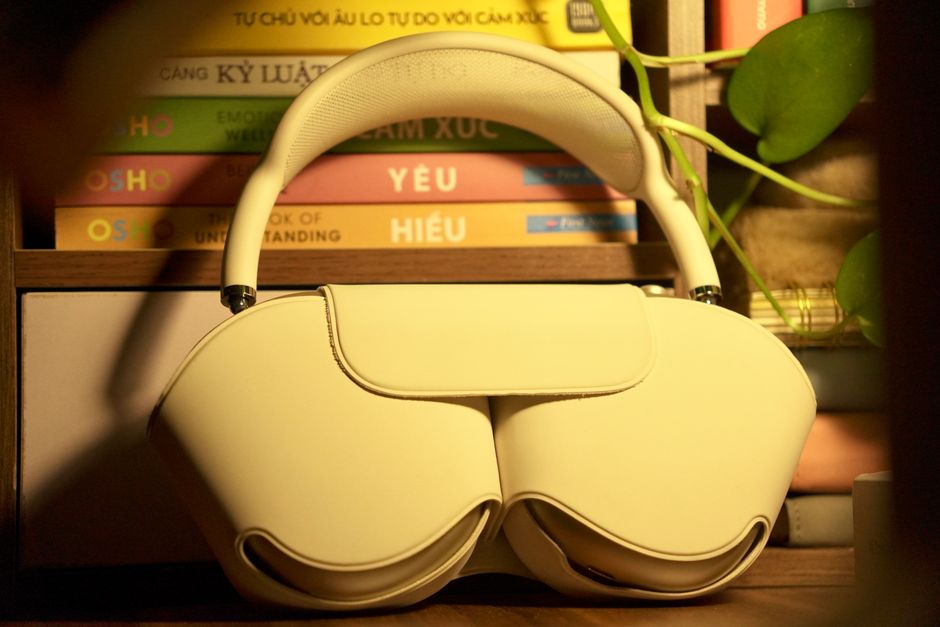
Sony’s XM5 cancels more noise. Period. The numbers back it up — Sony’s QN1 processor paired with dual processors handles a wider frequency range than Bose’s system. In a coffee shop near Paddington Station, the XM5 reduced the background chatter to a faint murmur. The Bose QC Ultra let through noticeably more midrange, especially voices.
But here’s what nobody tells you: maximum ANC isn’t always what you want.
Bose’s ANC feels more natural. There’s less of that pressurized “cabin pressure” sensation that some people (me included) get from aggressive noise cancelling. After four hours wearing the XM5 with ANC on full, I felt a low-grade headache creeping in. The QC Ultra? I wore them for an entire transatlantic flight and forgot they were on my head.
This matters for remote workers who wear headphones for 6-8 hours daily. The “best” ANC might literally hurt you over a full workday.
| Noise Scenario | Sony WH-1000XM5 | Bose QC Ultra |
|---|---|---|
| Airplane engine drone | Near-silent. Best in class. | Excellent. Slightly more rumble bleeds through. |
| Coffee shop chatter | Reduces to faint murmur | Noticeable voices remain at low volume |
| Keyboard typing nearby | Muffled significantly | Some click-through remains |
| Wind (outdoor use) | Struggles. Wind noise is noticeable. | Better wind rejection |
| “Cabin pressure” sensation | Noticeable after 2-3 hours | Minimal. Can wear all day. |
Microphone Quality: The Dealbreaker Nobody Tests Properly
Most headphone reviews test call quality in a quiet room. That’s useless for a remote worker taking a call from a Lisbon tram stop or a Bangkok night market.
I tested both headsets in three real-world scenarios: a quiet hotel room (baseline), a busy coffee shop, and outdoors with moderate wind. The results surprised me.
In quiet environments, the Bose QC Ultra wins easily. The voice pickup is warmer, more natural. You sound like you, just on a good microphone. The Sony XM5 sounds slightly compressed, like a very good phone call rather than a proper headset.
In noisy environments, Sony pulls ahead. The XM5’s beamforming microphones do a better job isolating your voice from background chaos. In the coffee shop test, my colleague said the Bose let through more background clatter, while the Sony made me sound slightly robotic but much clearer.
For outdoor calls with wind, neither is great. The Bose handles light wind better. In moderate gusts, both become unusable — that’s just physics with over-ear headphones.
The real takeaway: if most of your calls happen in controlled environments (hotel rooms, quiet Airbnbs), get the Bose. If you’re frequently taking calls from unpredictable locations, the Sony’s noise rejection on the mic side is worth the slightly less natural voice quality.
Comfort Over Hours: The 8-Hour Workday Test
I wore each pair for a full remote workday. 9 AM to 5 PM, with breaks only for lunch. Here’s what happened.
The Bose QC Ultra are 252 grams. The Sony XM5 are 250 grams. On paper, identical. On head, completely different.
Bose uses a slightly looser clamping force with deeper ear cups. My ears never touched the drivers inside. The headband distributes weight across a wider area. By 5 PM, I had zero discomfort. I could have kept wearing them through dinner.
Sony uses a slimmer profile with shallower ear cups. The clamping force is tighter — good for creating a seal, less good for hour six. My ears got warm faster, and I felt the headband’s pressure point around 3 PM. Not painful, but present. I was aware I was wearing headphones.
If you wear glasses, the difference matters even more. The Bose ear cushions are softer and create less pressure against temple arms. The Sony’s tighter clamp means glasses wearers will feel the pinch sooner.
For short sessions (under 3 hours), the comfort difference is negligible. For all-day wear — which is the entire point for remote workers — Bose wins on physical comfort, no contest.
Features That Actually Help You Work
Both headphones pack features. Most of them are irrelevant for getting work done. These are the ones that matter.
Multipoint connectivity. Both support connecting to two devices simultaneously. This is essential for remote workers who switch between laptop and phone. Sony’s implementation is slightly smoother — switching happens faster and with fewer audio glitches. Bose sometimes takes a beat longer to recognize which device is playing audio.
Transparency mode. When someone walks up to your table to ask a question, you need to hear them without removing your headphones. Sony’s ambient sound mode lets in more natural sound. Bose’s Aware mode is good but slightly more processed-sounding. Sony’s “Speak-to-Chat” feature — which automatically pauses music when you start talking — sounds gimmicky but becomes genuinely useful in co-working spaces.
Battery life. Sony claims 30 hours with ANC on. Bose claims 24 hours. In real use, I got about 28 hours from the Sony and 22 from the Bose. Both charge via USB-C. Both give you roughly 3 hours of playback from a 3-minute quick charge. For multi-day travel without access to power, the Sony’s extra hours matter.
Wired option. Both include a 3.5mm cable for wired use — critical for in-flight entertainment systems. The Sony sounds better wired (the drivers are genuinely excellent). The Bose sounds fine but loses some of its spatial audio magic in wired mode.
When Not to Buy Either
These are $300+ headphones. They’re overkill for plenty of remote workers.
Skip both if you work primarily from home in a quiet environment. A pair of Audio-Technica ATH-M50x ($149) or even the Sony WH-CH720N ($128) will handle calls and music perfectly well without the premium price tag.
Skip both if you need maximum portability above all else. These are full-size over-ear headphones. They fold (sort of — the XM5 folds flat but not compact; the QC Ultra folds flat and into a slightly smaller case). But neither disappears into a sling bag the way the AirPods Pro 2 ($249) or Samsung Galaxy Buds2 Pro ($189) do.
Skip the Bose specifically if you’re price-sensitive. At $429, the QC Ultra costs $100 more than the XM5. That premium buys you better comfort and more natural-sounding calls in quiet environments. It does not buy you better ANC or longer battery life. Whether that tradeoff makes sense depends entirely on your priorities.
Skip the Sony specifically if you’re sensitive to the ANC pressure sensation. Some people feel it, some don’t. If you’ve tried noise-cancelling headphones before and felt discomfort, the Bose is the safer bet.
The Verdict: Two Clear Winners for Two Different Workers
I went into this comparison expecting to declare one winner. I can’t. They’re built for different people.
Get the Sony WH-1000XM5 ($328) if: You work from noisy, unpredictable environments and need maximum noise cancellation. Your calls happen in chaos — train stations, busy cafes, airport gates. You value battery life and don’t mind a slightly tighter fit. The ANC is genuinely best-in-class, and the microphone noise rejection outperforms Bose when things get loud.
Get the Bose QuietComfort Ultra ($429) if: You wear headphones all day and comfort is non-negotiable. Your calls happen mostly in controlled environments where mic quality matters more than noise rejection. You’re sensitive to ANC pressure or wear glasses. The Bose disappears on your head in a way the Sony never quite does, and for an 8-hour workday, that matters more than any spec sheet difference.
I kept the Bose. Not because they’re objectively better — because I realized I was reaching for them every morning while the Sony stayed in my bag. The comfort difference, for my glasses-wearing, all-day-wearing self, outweighed the ANC gap. Your mileage will vary. But now you know which tradeoffs actually matter when you’re trying to work from a departure gate at 6 AM.