
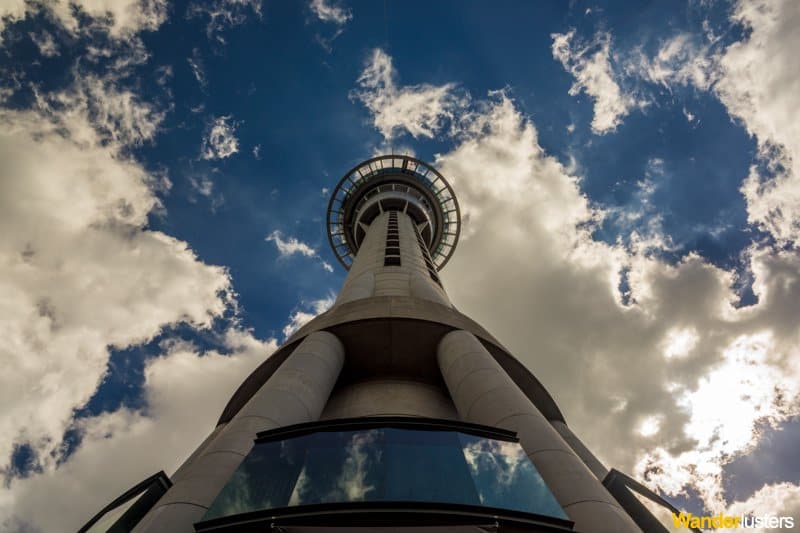
You’ve landed in Auckland with three days to fill and a vague idea that “New Zealand is adventure.” Maybe you’ve already scrolled past the same five blog posts recommending the Sky Tower and a harbor cruise. That’s fine for a short list, but it won’t tell you which activities are genuinely worth the $50 entry fee and which ones leave you feeling like you just burned an afternoon in a gift shop.
I’ve spent three separate trips testing Auckland’s outdoor options — hiking trails, island ferries, kayak rentals, and the overpriced tourist traps. This guide covers the real costs, the hidden fees, the weather risks, and the moments when a free walk beats a paid tour every time. No fluff. Just what works.
Why Most Auckland Adventure Guides Are Misleading You
The problem with most “best of” lists is they skip the practical stuff. They tell you to “explore the Waitakere Ranges” without mentioning that half the trails are closed for kauri dieback disease protection, or that the drive from downtown takes 45 minutes each way in traffic. They hype up the SkyJump ($175) without noting that you’re done in 11 seconds and the video costs another $49.
Here’s what those guides won’t say:
- Many of Auckland’s best experiences cost $0 — and they’re better than the paid ones.
- Weather changes fast. A sunny morning can turn into sideways rain by 11 AM. Plan around it.
- Transport costs add up fast. A trip to Waiheke Island sounds cheap at $45 round-trip per person, but add lunch, a tasting fee, and bus fare on the island, and you’re pushing $130 for a half-day.
- Some “adventure” activities have minimum age, weight, or fitness requirements that aren’t obvious until you show up.
If you’re a solo traveler on a budget, a family with young kids, or someone who doesn’t love heights, the standard advice falls apart. This guide accounts for all three scenarios.
Hiking Auckland’s Volcanic Cones — Free, Fast, and Worth It
Auckland sits on a volcanic field with roughly 50 cones. Many are public parks with walking tracks to the summit. They’re free, take 20–40 minutes round-trip, and give you panoramic views of the city, both harbors, and the islands beyond.
Mount Eden (Maungawhau) is the most famous. The walk to the 196-meter summit takes about 15 minutes from the car park. The crater is protected — you can’t walk on it — but the view from the rim is the best in the city. One catch: the road to the summit is closed to private vehicles since 2026. You park at the bottom and walk up. It’s a gentle slope, fine for most fitness levels.
One Tree Hill (Maungakiekie) is a longer walk — about 40 minutes to the summit from the lower car park. It’s 182 meters high but feels more expansive. The obelisk at the top marks the grave of Sir John Logan Campbell. The views stretch from the Sky Tower to the Manukau Harbour. No entry fee. No shuttle. Just walk.
Mount Victoria (Takarunga) in Devonport is a 15-minute ferry ride ($14 round-trip) from downtown. The summit walk takes 10 minutes. You get views back across the city and out to Rangitoto Island. Pair it with a walk through Devonport’s Victorian villas and a coffee at a local café.
When not to do this: If you have mobility issues, these cones have uneven paths and no handrails. Rain makes the grass slopes slippery. Also, if you’ve already done one volcanic cone, you’ve basically seen them all. Pick one — Mount Eden is the best for views, One Tree Hill for the walk itself.
Island Day Trips — Rangitoto, Waiheke, and Tiritiri Matangi Compared
Three islands dominate the Auckland day-trip scene. They serve completely different purposes. Here’s the breakdown:
| Island | Round-Trip Ferry Cost (Adult) | Travel Time (One Way) | Best For | Hidden Cost |
|---|---|---|---|---|
| Rangitoto Island | $36 | 25 minutes | Hiking, volcanic landscape, views | No shops or water on the island — bring your own |
| Waiheke Island | $45 | 40 minutes | Wine tasting, beaches, restaurants | Bus fare on island ($10–$15) or taxi ($30+ per trip) |
| Tiritiri Matangi Island | $80 | 75 minutes | Birdwatching, native forest, guided walks | Guided walk fee ($10) + lunch (no café, bring food) |
Rangitoto Island is the no-frills option. You land on a black lava field, walk the 1-hour track to the summit, and stare into the crater. The summit gives you a 360-degree view of the Hauraki Gulf. No shops, no cafés, no toilets at the top. Bring 1.5 liters of water per person. The ferry company (Fullers360) requires you to book a return ferry slot — you can’t just show up and take any boat back. Miss your slot and you’re stuck until the next one, which could be 3 hours later.
Waiheke Island is the premium day out. The ferry drops you at Matiatia Bay. From there, you can take a bus to Onetangi Beach (swimming, cafes), or book a wine tour. Mudbrick Vineyard charges $25 for a tasting flight of 5 wines. Lunch at a mid-range restaurant runs $30–$45 per person. Total for a couple: roughly $200 for the day, not counting wine purchases. Worth it if you like good wine and beach time. Not worth it if you’re on a tight budget or don’t drink.
Tiritiri Matangi Island is an open wildlife sanctuary. You’ll see takahe, kākā, saddleback, and other native birds that are rare or extinct on the mainland. The ferry is operated by 360 Discovery, and the guided walk is led by volunteers. This is not a beach day. You walk through dense forest for 2–3 hours. Wear sturdy shoes and long pants for sandflies. Book at least a week ahead in summer — it sells out.
Coastal Walks That Beat Any Paid Tour
If you want the best views of Auckland’s coastline without paying a cent, walk the Coast to Coast Walkway. It’s a 16-kilometer route from the Waitematā Harbour to the Manukau Harbour, crossing the isthmus through parks, suburbs, and volcanic cones. It takes 4–5 hours at a moderate pace. No guide needed. The track is well-marked with orange arrows.
The highlights in order:
- Start at Viaduct Harbour (downtown). Walk past the America’s Cup bases.
- Cut through Victoria Park and up to the Auckland Domain — the city’s oldest park. The Wintergardens glasshouse is a good 10-minute detour.
- Climb Mount Eden (see above). This is roughly the halfway point.
- Descend through the suburb of Three Kings, then into the green corridor of Waikłwhata Reserve.
- End at Onehunga Bay Reserve on the Manukau Harbour. If the tide is low, you can walk out on the volcanic rock shelf.
One failure mode: The walkway goes through some residential streets with limited signage. Download the GPX file from the Auckland Council website before you go. Phone signal is fine the whole way, but battery drains fast with maps open. Bring a power bank.
Alternatively, the Orakei Basin Walkway is a 2.5-kilometer loop around a flooded volcanic crater. It’s flat, takes 40 minutes, and has no road crossings. Good for a quick morning walk before a flight. No cost. No crowds.
Beaches — Which Ones Are Safe to Swim At
Auckland has 25+ beaches within a 30-minute drive. Not all of them are safe for swimming. Here’s the honest breakdown:
Mission Bay is the most popular family beach. Calm water, lifeguards in summer, public toilets, and ice cream shops. The water quality is monitored weekly by Safeswim. In 2026, it was rated “safe to swim” 90% of the time between December and February. After heavy rain, avoid it — stormwater runoff spikes bacterial levels. Check the Safeswim website before you go.
Piha Beach is the wild west coast option. Black sand, massive waves, and a dangerous rip current. It’s patrolled by lifeguards in summer, but only between the flags. Do not swim outside the flagged area. Every year, tourists drown here. The rip pulls you out fast. If you’re not a strong swimmer, stay on the sand. The drive from downtown takes 45 minutes, and the road is winding. Parking fills by 10 AM on weekends.
Karekare Beach is Piha’s quieter neighbor. Same black sand, same rips. Fewer people. The track to the waterfall behind the beach is worth the 20-minute walk. No lifeguards. Swim at your own risk.
When to skip the beach entirely: If the forecast says wind over 20 km/h, the west coast beaches become sandblasters. You’ll spend the day with grit in your eyes and no comfort. Head to the east coast instead — Long Bay Regional Park is sheltered and has a walking trail along the cliffs. Free entry. Parking costs $5 on weekends.
Kayaking and Water Activities — What the Rental Companies Won’t Tell You
Kayaking the Auckland Harbour looks idyllic in the promotional photos. The reality depends heavily on wind, tide, and your choice of rental company. Here’s what I learned the hard way:
Mission Bay Kayaks rents single kayaks for $30 per hour and doubles for $45 per hour. They require a $50 deposit and a credit card hold. The launch point is sheltered, but if the wind picks up above 15 knots, they won’t let you go past the breakwater. That’s a good rule — the harbour gets choppy fast. I saw a group get towed back by a safety boat after they ignored the wind warning.
Rangitoto Island kayak tours cost $159 per person for a half-day. A guide paddles you across the channel, you land on the island, hike to the summit, and paddle back. Sounds great. The catch: the channel crossing takes 45 minutes of steady paddling. If you’re not used to paddling, your shoulders will burn. The return trip is against the wind 60% of the time. I’d recommend this only for people with moderate fitness. The company, Auckland Sea Kayaks, provides all gear and a dry bag. They also require you to sign a waiver that explicitly states you accept the risk of capsizing in cold water (14–18°C). That’s not a joke — hypothermia sets in faster than you think.
Stand-up paddleboarding (SUP) is available at SUP Auckland on the Viaduct Harbour. $35 for one hour. The water is flat and protected. Good for beginners. The board is stable and wide. No current to fight. This is the safest water activity in the city. If you have kids under 12, this is your best bet.
Failure mode to avoid: Do not rent a kayak or SUP in the afternoon in summer. The afternoon sea breeze (12–3 PM) turns the harbour into a washing machine. Go at 7 AM or not at all. Also, check the tide tables. Low tide at the Viaduct means you’re paddling through mud flats. Not fun.
When to Skip the “Adventure” and Just Walk the City
Not every day in Auckland needs to be a bucket-list sprint. Sometimes the best outdoor activity is a 2-hour walk through the city’s parks and waterfront. Here’s a route I’ve done five times and never regretted:
- Start at Britomart (the old railway station). Walk through the historic arcade and grab a coffee at Atomic Coffee Roasters ($5).
- Head down to Queen’s Wharf. Walk the length of the wharf past the cruise ship terminal. On weekends, there’s often a small market.
- Continue onto the Viaduct Harbour boardwalk. Look at the superyachts. Keep walking toward the Westhaven Marina.
- Enter Wynyard Quarter. The Silo Park has public art and a playground for kids. In summer, they show free outdoor movies on Friday nights.
- Walk the Westhaven Promenade — a 2-kilometer path along the water with views of the Harbour Bridge and the city skyline. The bridge itself is walkable if you want to cross it ($5 toll for pedestrians? No — it’s free to walk across).
This route takes 90 minutes at a relaxed pace. Zero cost. Zero planning. Zero risk of bad weather ruining it because you can duck into a café at any point. If you have only one afternoon in Auckland, do this, not a paid tour.
The single most important takeaway: the best outdoor activities in Auckland are the ones that cost nothing, require no booking, and let you move at your own pace. The paid adventures are fine if you have the budget and the fitness, but they’re not the only way to experience this city.