
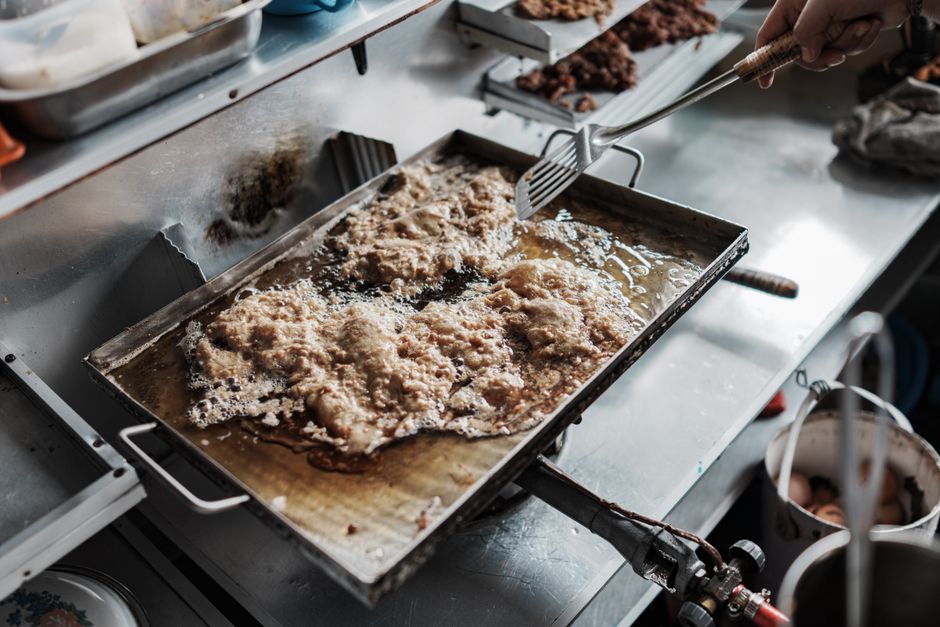
Most first-time visitors think Bangkok street food is a single experience — a row of carts serving pad thai under neon lights. That’s like saying all Italian food is pizza. Bangkok has over 50 distinct food markets, from floating markets that start at 5 AM to late-night soi stalls that serve grilled meats until 3 AM. The real problem isn’t finding food. It’s knowing which market matches what you actually want to eat, how much you should pay, and how to avoid spending your first two days regretting that suspicious-looking shrimp.
Why Most First-Timers Get It Wrong (And How to Fix It)
The biggest mistake is treating street food like a theme park attraction. You queue at a famous stall, pay double, and eat standing in 35°C heat while tour groups push past you. The food is often good. But it’s rarely the best version of itself.
Here’s what actually matters: timing, location, and knowing what to order. Most stalls sell only 2-3 dishes. The best ones sell out by 1 PM. If you show up at 6 PM expecting the legendary khao man gai (chicken rice) from a stall that closed at noon, you’ll end up with reheated leftovers from a different vendor.
Another common failure: not carrying enough cash. Most street stalls in Bangkok do not accept cards. No QR code. No GrabPay. Just crumpled 20-baht notes. ATMs charge 220 baht ($6) per withdrawal. That fee adds up fast if you’re pulling out small amounts daily.
The third mistake is ignoring water safety. The ice in your drink is fine — Thailand has centralized ice factories that produce food-grade block ice. The problem is the water used to wash produce and utensils. Stick to stalls where you see a steady flow of customers. High turnover means fresh ingredients and clean practices.
The Three Markets Worth Your Time (And One to Skip)
Not all markets are created equal. Some are tourist traps with inflated prices. Others are genuinely excellent but require early mornings. Here’s the breakdown:
| Market | Best For | Price Level | Best Time | Crowd Type |
|---|---|---|---|---|
| Or Tor Kor Market | High-quality produce, prepared foods, seafood | $$ (moderate) | 7 AM – 10 AM | Locals + food tourists |
| Yaowarat (Chinatown) | Street food classics, seafood, dim sum | $ (cheap to moderate) | 6 PM – 10 PM | Mixed (locals + tourists) |
| Wang Lang Market | Student-priced eats, desserts, snacks | $ (very cheap) | 11 AM – 2 PM | Almost entirely locals |
| Chatuchak Weekend Market | Shopping + snacking (not a pure food market) | $$ (varies wildly) | 9 AM – 6 PM (Sat-Sun) | Tourist-heavy |
Or Tor Kor is arguably the best food market in Bangkok. It’s adjacent to Chatuchak but completely different — air-conditioned, clean, and packed with prepared food stalls selling everything from green curry with roti to fresh mango with sticky rice. Prices are 20-30% higher than street stalls, but the quality and hygiene justify it.
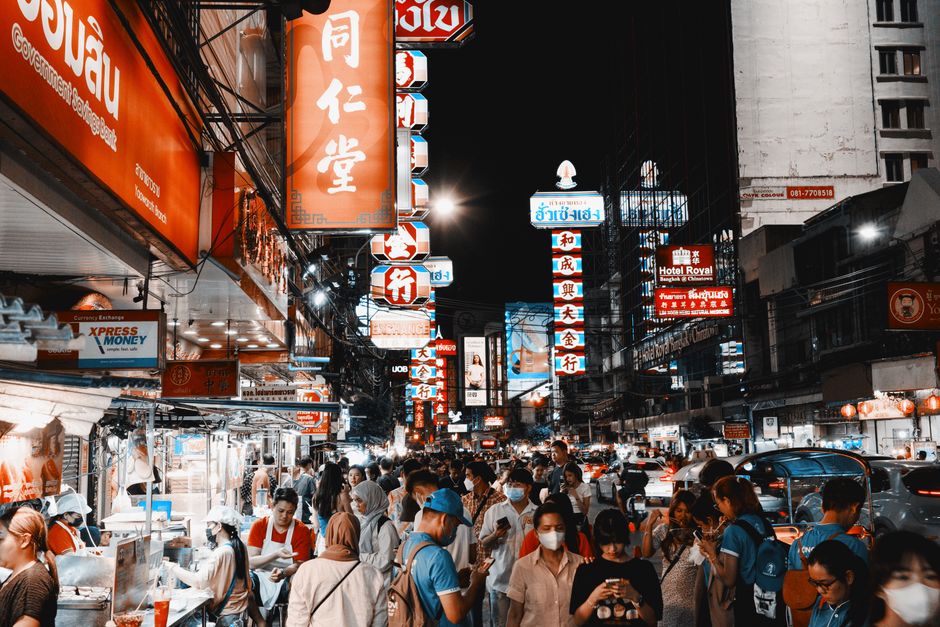
Yaowarat at night is an experience. The entire street transforms into a food corridor. Look for stalls with long queues of Thai people, not tourists. The roasted duck at Lek & Rut is worth the 20-minute wait. So is the grilled squid with spicy dipping sauce from the cart near the Wat Mangkon Kamalawat temple.
Wang Lang Market is the hidden gem. Across the river from Thonburi, it’s where students from nearby universities eat. Prices are 30-50% cheaper than tourist areas. A plate of pad see ew costs 35 baht ($1). A bowl of boat noodles costs 25 baht ($0.70). The tradeoff: almost no English signs, and you’ll need to use a ferry to get there.
The market to skip: Khao San Road. It’s not a food market. It’s a backpacker strip with overpriced pad thai (120 baht vs 40 baht elsewhere) and scorpion-on-a-stick gimmicks. Go for the people-watching, not the food.
How to Order Without Getting Ripped Off
Pricing in Bangkok street markets follows a simple rule: if there’s no price displayed, ask before ordering. This applies to seafood especially. A plate of grilled river prawns might cost 200 baht at one stall and 600 baht at the next, with identical portion sizes.
Here’s a quick reference for fair prices in 2026:
- Pad thai: 40-60 baht ($1.10-$1.70)
- Tom yum soup (small): 50-80 baht ($1.40-$2.30)
- Mango sticky rice: 50-80 baht ($1.40-$2.30)
- Grilled pork skewers (5 sticks): 40-60 baht ($1.10-$1.70)
- Fresh coconut: 30-50 baht ($0.85-$1.40)
- Boat noodles (bowl): 20-40 baht ($0.55-$1.10)
If a price seems too high, walk. There’s always another stall 20 meters away selling the same dish at a fair price. Do not negotiate at food stalls — it’s considered rude, and prices are already low by Western standards.
For language, three phrases will cover 90% of situations:
- “Ahn nee tao rai?” (How much is this?)
- “Mai pet” (Not spicy) — use cautiously; it doesn’t always work
- “Pom/chan ao an nee” (I’ll take this) — point while saying it
One more thing: never accept the first price for seafood sold by weight. Some vendors quote per 100 grams when you think it’s per piece. Confirm the unit before they start cooking.
Stomach Safety: What to Eat and What to Skip
The fear of food poisoning keeps many tourists eating only at hotel buffets. That’s a mistake. Street food in Bangkok is generally safe if you follow three rules: eat it hot, eat it fresh, and eat it peeled.
Hot food is safe food. If a dish is cooked in front of you and served steaming, bacterial risk is near zero. The danger zone is room-temperature food that has been sitting out for hours — pre-made curries, cold salads, and cut fruit left uncovered.
Fresh fruit smoothies are a common trap. The fruit is fine. The issue is the ice and water used to blend it. Stick to stalls that use block ice from a single large block (factory-made) rather than crushed ice from bags (potentially tap water). Better yet: buy whole fruit and have it sliced in front of you.
Things to skip entirely:
- Raw or partially cooked seafood — ceviche-style dishes, raw shrimp, undercooked mussels. The risk isn’t worth it.
- Buffet-style street food — stalls where you pick items from a tray that’s been sitting in the sun. No.
- Anything that looks reheated — if you see a vendor microwaving a pre-cooked dish, walk away.
Things that are almost always safe:
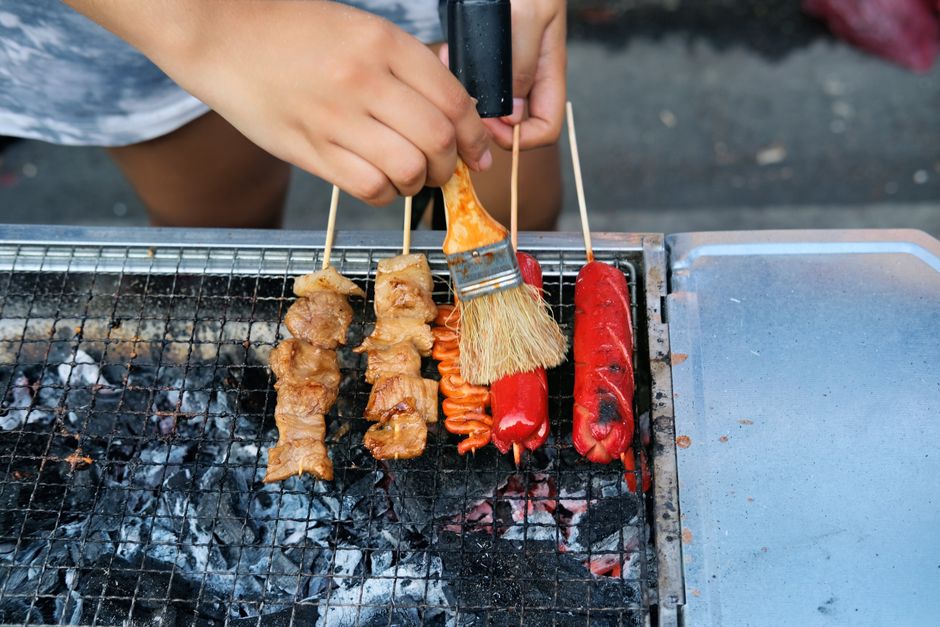
- Grilled meats and seafood — high heat kills everything.
- Deep-fried items — spring rolls, fish cakes, chicken wings. Oil temperature is typically 180°C.
- Soup noodles — the broth is boiling when served.
- Fresh fruit with a thick peel — mango, pineapple, watermelon, pomelo. The peel protects the flesh.
Your digestive system also needs time to adjust. Eat small portions on day one. See how your stomach reacts. Then increase variety. And always carry oral rehydration salts — they cost 10 baht at any pharmacy and work better than sports drinks if things go wrong.
The One Thing That Changes Everything
Every visitor to Bangkok’s food markets eventually discovers the same truth: the best meal you’ll have is the one you weren’t looking for. The stall with no English sign, the cart with only one dish, the lady who has been making the same curry for 30 years — that’s where the magic lives.
Don’t overplan your eating. Pick one market per day. Walk the aisles twice. Watch what locals order. Then point at what looks good, pay with small bills, and eat standing up like everyone else.
The single most important takeaway: your first meal sets your standard — make it at Or Tor Kor Market at 8 AM, and everything else will be measured against it.