
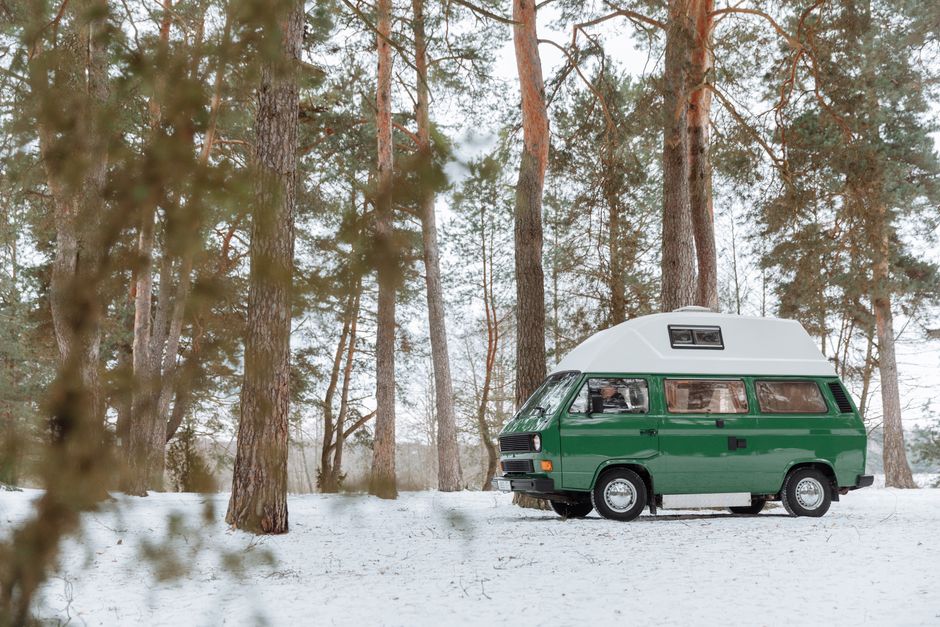
You’ve seen the photos. A 4-year-old gazing at Old Faithful, mouth open in wonder. A toddler on a parent’s shoulders at the Grand Canyon rim. Everyone smiling. Everyone clean.
Here’s what those photos don’t show: the 40-minute meltdown 90 miles from the nearest rest stop. The $8 bag of gummy worms deployed as a desperation bribe. The moment your 3-year-old announces she has to poop exactly as you enter a one-way scenic drive with zero facilities for the next 18 miles.
I’ve been that parent. A lot of us have.
The question isn’t whether national parks are beautiful. They are. The question is whether the juice is worth the squeeze when you’re hauling small humans who don’t care about scenic vistas and will absolutely lose their minds over a broken granola bar.
The short answer: Yes, but only if you redesign the trip around their biology, not your bucket list. Here’s the data, the specific parks that work, the ones that don’t, and how to tell the difference.
The 90-Minute Rule That Predicts Trip Success
Most failed family road trips share a single root cause: drive time between stops exceeds the child’s tolerance window. The data on this is surprisingly consistent across child development research.
| Child Age | Max Drive Segment | Max Total Daily Drive | Required Stop Frequency |
|---|---|---|---|
| 0-2 years | 45 minutes | 3 hours | Every 45-60 min |
| 2-4 years | 90 minutes | 4 hours | Every 60-90 min |
| 4-6 years | 2 hours | 5 hours | Every 90-120 min |
| 6-8 years | 2.5 hours | 6 hours | Every 2 hours |
This table should dictate your entire itinerary. Not the other way around.
Now overlay this onto actual national park distances. Yellowstone’s Grand Loop Road is 142 miles. With traffic and wildlife jams, it takes 4-7 hours. For a family with a 3-year-old, that’s a two-day endeavor minimum. Parents who try to crush it in one day report misery rates approaching 100%.
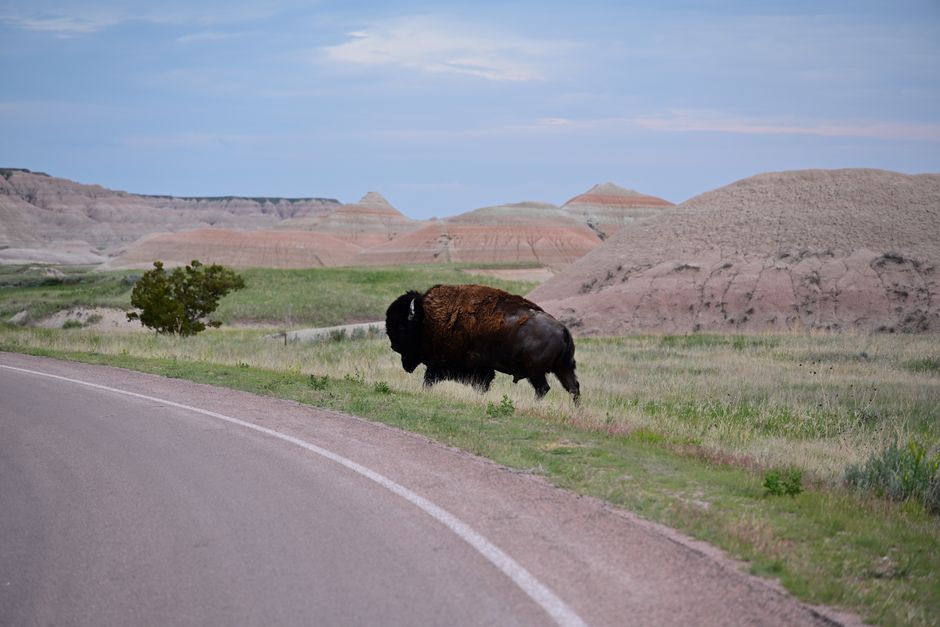
The fix: Pick parks with compact layouts. Badlands National Park has a 39-mile loop road with 16 overlooks. You can exit anytime. That’s the template. Grand Teton’s inner park road is 42 miles with constant pullouts. Zion’s shuttle system removes driving entirely from the equation once you’re in.
Parks that violate the 90-minute rule for young kids: Big Bend (massive, remote, hours between anything), Death Valley (same problem plus extreme heat), and Denali (the park road is 92 miles one-way on a bus). Save those for age 8+.
Three Parks That Actually Work for Ages 2-6
Not all parks are equal. Some seem designed by people who’ve never met a toddler. Others have accidental kid-friendliness baked in.
Zion National Park: The Shuttle System Changes Everything
Zion solved the car problem by banning cars from the main canyon. You park at the visitor center, board a shuttle, and hop off at any stop. No car seat battles. No “are we there yet” because the shuttle runs every 5-10 minutes.
The Riverside Walk is a paved, stroller-friendly 2.2-mile round trip along the Virgin River. Kids can splash in the water at the end. The Lower Emerald Pool Trail is 1.2 miles with minimal elevation gain. Both deliver payoff-to-effort ratios that work for small legs.
One caveat: Zion gets packed. In 2026, the park is continuing its timed entry permit system for Angels Landing, but the main canyon shuttle remains first-come-first-served. Arrive before 8am or after 3pm to avoid 45-minute shuttle lines with a tired kid.
Great Smoky Mountains: The Water Factor
Kids don’t care about mountains. They care about water. The Smokies have water everywhere. Streams. Waterfalls. Splashable creeks at the edge of parking lots.
The key insight: skip the crowded trails and drive the Roaring Fork Motor Nature Trail. It’s a 5.5-mile one-way loop with pullouts at streams. Kids can wade within 30 seconds of the car. No hiking required. The Oconaluftee Visitor Center has elk visible from the parking lot and a working farm with animals.
Clingmans Dome, the park’s highest point, is a 0.5-mile paved path that’s steep enough to count as exercise but short enough that a 4-year-old can manage it with one rest break and a snack bribe.
Acadia National Park: Compact and Exit-Friendly
Acadia is 47,000 acres. Yellowstone is 2.2 million. That size difference matters when you need to bail out fast.
Jordan Pond is a 3.3-mile loop that’s flat, well-maintained, and ends at a restaurant with popovers and lemonade. The carriage roads are crushed stone, perfect for strollers or balance bikes. Sand Beach is small, cold, and exactly what a kid wants after sitting in a car.
The park is also adjacent to Bar Harbor, meaning you’re never more than 15 minutes from a grocery store, urgent care, or ice cream. That proximity buffer reduces anxiety for parents in ways that remote parks cannot.
What Nobody Tells You About Lodging Inside Parks
Staying inside a national park sounds idyllic. Wake up in Yellowstone. Walk out your door to geysers. No driving required.
The reality: in-park lodging books 12-13 months in advance for peak season. In 2026, Yellowstone’s Old Faithful Inn opened reservations on May 1, 2026 for summer 2026 dates. It filled within hours for July and August.
The rooms are also small. Like, cruise-ship-cabin small. Two queens and a bathroom. No kitchen. No separate space for kids who go to bed at 7:30pm while adults sit in the dark scrolling phones. Walls are thin. Your neighbor will hear your 2-year-old’s 4am wake-up.
The better play for young families: book a cabin or vacation rental in gateway towns. West Yellowstone for Yellowstone. Springdale for Zion. Gatlinburg for the Smokies. You get a kitchen, separate bedrooms, and a door you can close while kids nap. The tradeoff is a 20-30 minute drive into the park each morning, which is manageable if you time it with a strategic car nap.
If you do want in-park lodging, target the less-famous options. Signal Mountain Lodge in Grand Teton has cabins with kitchenettes and is easier to book than Jackson Lake Lodge. Yosemite’s Housekeeping Camp has concrete-walled units with fire pits, more forgiving of noise than the Ahwahnee.
Emergency Kit Items That Actually Get Used
Most family road trip packing lists are aspirational. First aid kit. Binoculars. Field guides. Your kid will not use binoculars. Your kid will use snacks and screen time.
Here’s what actually matters, based on multiple trips and multiple failures:
- A potty chair that lives in the trunk. Not a folding travel seat. A full plastic potty chair. When your kid announces urgent needs 40 miles from a restroom, you pull over, set it up in the footwell, and save the car seat. The OXO Tot 2-in-1 Go Potty ($22) works. So does a cheap IKEA LOCKIG potty ($8) kept in a trash bag.
- Pre-downloaded shows on a tablet. National parks have no cell service. Zero. Your Spotify playlist will cut out. Your kid’s Netflix downloads are the only thing standing between you and 90 minutes of screaming. A basic Amazon Fire HD 8 Kids ($150) with 64GB of storage holds enough Paw Patrol to cross Wyoming.
- A separate “car-only” toy bag. These toys never enter the house. They only appear in the car. Novelty is the mechanism. Rotate 5-6 items: a Magna Doodle, a Water Wow book, a buckle toy, a fidget cube, a small container of LEGOs. When interest fades, swap items at the next stop.
- Paper towels and a spray bottle of water with a drop of soap. For the inevitable vomit, spilled milk, or carsickness episode. Wipes smear. Paper towels absorb.
When You Should Cancel or Postpone
Some trips should not happen. The hard part is recognizing which ones.
Cancel if: your child is in a sleep regression phase. A national park trip with a kid who wakes 4 times a night is not a vacation. It’s sleep deprivation in a more expensive location. Postpone until sleep stabilizes for at least 3 weeks.
Cancel if: your target park requires multi-hour drives between attractions and your youngest is under 3. The data from the table above is unforgiving. You will spend more time managing car meltdowns than seeing anything.
Cancel if: you’re trying to prove something. Some parents want to show that kids don’t change their adventurous lifestyle. That’s ego, not planning. Your 2-year-old will not remember Old Faithful. They will remember feeling carsick, tired, and confused about why they’re strapped into a seat for hours.
Postpone, don’t cancel permanently. The parks aren’t going anywhere. A 7-year-old can handle a Yellowstone road trip in ways a 3-year-old cannot. They can read the interpretive signs. They can hike 3 miles. They can tell you they feel carsick before it becomes a cleanup situation. The window opens around age 5-6 and stays open for a decade.
In the meantime, test the concept with a weekend trip to a state park within 2 hours of home. If that goes well, scale up. If it’s a disaster, you’ve lost one weekend, not a $3,000 vacation.
The Verdict: Do It, But Strip It Down
National park road trips with young kids work when you abandon ambition. Pick one park, not three. Stay in one lodging location, not a different hotel each night. Plan one major activity per day, not three. End each day by 4pm so kids can decompress before dinner.
The parents who report the best experiences are the ones who treated the trip like a series of small, low-stakes adventures rather than a once-in-a-lifetime expedition. They spent more time at creek pullouts than at famous overlooks. They skipped the iconic 8-mile hike for the 1-mile nature trail. They ate picnic lunches in parking lots and called it a win.
Your 2026 national park trip will not look like the Instagram version. It will be messier, slower, and smaller in scope. That’s not a failure. That’s the version that actually works.