

You land at Denpasar at 10:30 a.m., expect a quick ride to Ubud, and then spend three hours in traffic before reaching your hotel. I have made that mistake. Bali looks compact on a map, but its roads, ceremonies, rain, and narrow coastal routes can turn a 25-kilometer trip into half a day. This Bali 7-day itinerary for 2026 keeps the famous sights, adds quieter places, and cuts the journeys that make a short holiday feel rushed.
How to Split Seven Days Across Bali
My clear recommendation is to use three bases: southern Bali for arrival and the coast, Ubud for central temples and rice fields, and Sidemen for a slower final stretch. Do not sleep in a different town every night. Moving luggage wastes time, especially when drivers face school traffic around Denpasar and Ubud.
Days 1 and 2: Sanur, Uluwatu, and the Bukit Peninsula
Stay in Sanur for the first two nights if you arrive late or plan to visit Nusa Penida later. Sanur is calmer than Kuta, has a walkable beachfront, and offers an easier first morning. On day one, settle in, walk the coastal path, and eat near Sindhu Market. On day two, hire a driver for Uluwatu Temple, Padang-Padang Beach, and a sunset kecak performance. Book the show early because the 6 p.m. seating fills quickly.
Days 3 to 7: Ubud, Sidemen, and a Flexible Departure
Move to Ubud on day three, then spend two nights near the center or north of town. Visit Tirta Empul early, stop at Tegallalang only if you arrive before 8 a.m., and continue toward the quieter rice terraces around Tegalalang or Pejeng. Spend days five and six in Sidemen, where the views are better than the crowded Instagram viewpoints and village roads are less frantic. Return to Sanur or Jimbaran on the final night if your flight leaves before noon.
| Day | Base | Best use of the day | Approximate road time |
|---|---|---|---|
| 1 | Sanur | Arrival, beach walk, Sindhu Market | 30-60 minutes from DPS |
| 2 | Sanur | Uluwatu, Padang-Padang, kecak dance | 2-3 hours driving |
| 3 | Ubud | Tirta Empul and central Ubud | 1.5-2 hours |
| 4 | Ubud | Rice terraces, water temple, local food | 1-2 hours |
| 5 | Sidemen | Village walk and Mount Agung views | 1.5-2 hours |
| 6 | Sidemen | Waterfalls or Klungkung day trip | 1-2 hours |
| 7 | Sanur or Jimbaran | Easy transfer and departure | 1-2.5 hours |
Which Bali Tourist Traps Should You Skip?
Some popular places deserve a visit, but the timing matters. I avoid the versions sold as rushed photo tours, where you spend more time queueing than seeing Bali.
- Handara Gate: Skip it unless you genuinely want the photograph. The gate is far from southern Bali, queues can be long, and the paid image rarely reflects the surrounding road.
- Tegallalang swings: Choose one terrace walk instead of paying for several swing stations. The rice fields are the attraction, not the costume rental.
- Monkey Forest at midday: Visit near opening time, keep sunglasses and food inside your bag, and never let a monkey climb onto your shoulder. The animals are fast, and staff may charge for help retrieving items.
- Nusa Penida as a one-day checklist: The island is beautiful, but west-coast roads are rough and slow. Do not combine Kelingking, Angel’s Billabong, Diamond Beach, and a fast ferry in one day.
- Seminyak beach clubs for a quiet beach day: They work for music and cocktails, not solitude. Sanur or Amed is a better pick if you want calm water and an early night.
What Makes a Tourist Stop Worth Keeping?
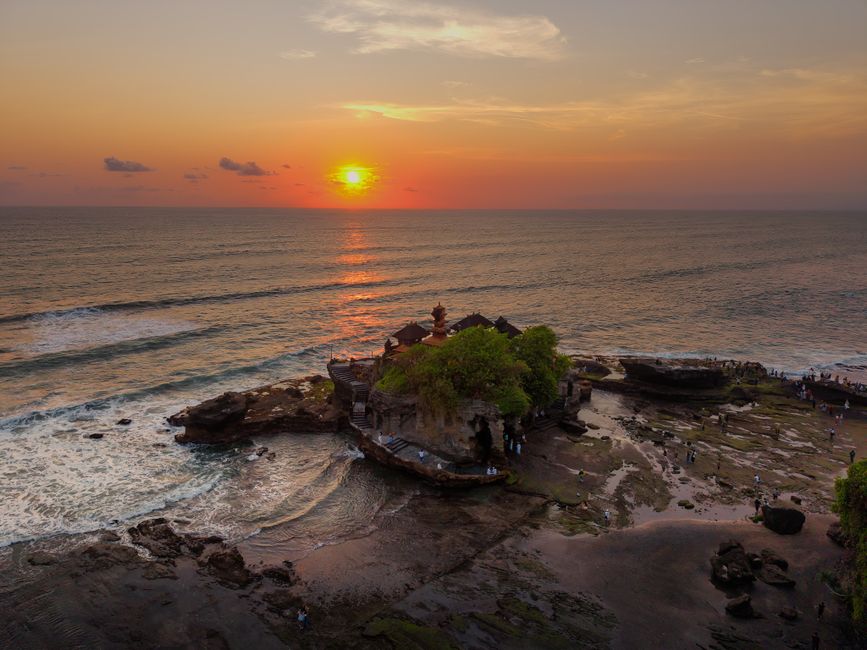
I keep a crowded attraction when it offers something hard to replace. Uluwatu has dramatic cliffs and a strong cultural performance, so it earns one evening. Tirta Empul also stays on my route because the temple remains meaningful when visited respectfully before tour buses arrive.
How to Spot a Bad Day Tour
Reject any itinerary that promises six distant attractions, includes a coffee plantation sales stop, and gives no time for traffic. A good day tour names the pickup window, lists entrance fees separately, and leaves at least 45 minutes at each major site.
Three Hidden-Gem Days That Actually Work
Sidemen is my best alternative to an overbooked Ubud. It has mountain views, working farms, and small warungs without pretending to be untouched. You still get comfortable guesthouses, reliable drivers, and easy access to eastern Bali.
Walk Sidemen’s Rice Fields Before Breakfast
Start around 6:30 a.m. with a local guide or follow a mapped village route from your guesthouse. Expect uneven paths, irrigation channels, and active farmers rather than a polished attraction. Wear shoes with grip. The walk takes two to three hours, and the light on Mount Agung is strongest before clouds build. Afterward, eat nasi campur at a local warung and keep the afternoon slow.
Choose East Bali Over Another Waterfall
On day six, drive toward Klungkung and the Sidemen valley instead of chasing every waterfall on social media. Kerta Gosa offers a compact history stop, while Goa Lawah provides a temple visit near the coast. If you want a longer outing, continue toward Amed for black-sand beaches and snorkeling. Do not add both Amed and Uluwatu to the same day; the route crosses too much of the island.
Amed is not a secret anymore, but it still feels less compressed than southern Bali. The tradeoff is real: fewer polished restaurants, more uneven roads, and a longer transfer from the airport. That is a fair exchange for clear morning water and a quieter shoreline.
Transport, Internet, and Packing Choices I Stand Behind
Hire a private driver for the Ubud and east-coast days, then use short taxi rides in Sanur. A driver costs more than a scooter but removes the biggest risk: unfamiliar roads, rain, and exhaustion after dark. I would not rent a scooter without an Indonesian motorcycle license, proper insurance, and genuine riding experience. Bali traffic is not a place to learn.
Use the Right Connection Setup
For a phone that supports eSIM, Airalo’s Indonesia plans are simple for maps and messages; a 10 GB plan commonly covers a week of normal use if you avoid constant video streaming. Holafly’s Indonesia eSIM is the better choice for travelers who want an unlimited-data option and do not want to monitor gigabytes. Install the eSIM before flying, but activate the data plan after landing.
Pack for Roads, Temples, and Sudden Rain
The Osprey Farpoint 40 is easier to move through guesthouses and narrow sidewalks than a hard-shell suitcase. Add a lightweight rain jacket, sandals with a heel strap, and a sarong for temple visits. The Anker 737 Power Bank stores 24,000mAh and supports up to 140W output, which is more than enough for several phone charges and useful during long drives. Keep a small amount of cash separate from your main wallet because smaller warungs and temple stalls may not accept cards.
Common Bali Planning Questions

Is seven days enough for Bali?
Seven days is enough for a strong first visit if you stay in three areas or fewer. It is not enough for Bali plus the Gili Islands, Nusa Penida, north Bali, and every famous waterfall. Pick one island add-on at most. My route prioritizes temples, landscapes, food, and recovery time rather than collecting check-in photos.
Should you stay in Ubud or Seminyak?
Choose Ubud for culture, inland scenery, yoga, and restaurants. Choose Seminyak for nightlife, shopping, and beach clubs. For this route, I prefer Sanur over Seminyak because it makes the first and final travel days easier. Sidemen wins over both when you want quiet mornings and a stronger sense of rural Bali.
Also leave one half-day unplanned. Bali rewards flexibility when rain closes a trail, a ceremony blocks a road, or you discover a family-run restaurant worth staying for. The single most important choice is to build your Bali week around fewer bases, not more attractions.