

You land in Bangkok with $3,000 saved, a 60-liter Osprey Farpoint, and the same itinerary your older cousin did for $20 a day in 2016. By week two, your Wise balance drops faster than you expected. The banana pancakes still cost a dollar, but the train ticket to Chiang Mai doesn’t. The hostel bed looks the same, but the booking.com price hit $14, not $8. The gap between the myth and the receipt is widening. Backpacking Southeast Asia in 2026 remains cheaper than a studio apartment in Brooklyn. But the era of automatic, mindless affordability is dead. You need a strategy.
What a Realistic Daily Budget Actually Looks Like in 2026
The old $30-a-day benchmark needs a hard reset. That number now covers survival, not travel. Post-pandemic inflation hit ASEAN tourist hubs unevenly. Transport costs surged due to fuel price adjustments, and accommodation platforms like Agoda and Hostelworld bake in higher commissions that properties pass on. A comfortable backpacker budget—private hostel rooms, three meals, two activities, and a few beers—sits at $45–$60 daily across Thailand, Vietnam, and Indonesia. Shoestring travelers can still scrape by on $30, but that means dorm beds, street food only, and no scuba diving.
Here’s the breakdown for a mid-range backpacker in Thailand in 2026:
| Expense Category | Thailand (Avg Daily Cost) | Vietnam (Avg Daily Cost) | Indonesia (Avg Daily Cost) |
|---|---|---|---|
| Dorm Bed (Central Location) | $12 – $18 | $6 – $10 | $8 – $14 |
| Private Budget Room | $25 – $40 | $15 – $25 | $20 – $35 |
| 3 Local Meals | $10 – $15 | $8 – $12 | $7 – $12 |
| Local Transport (Tuk-tuk/Grab/Bike Rental) | $5 – $10 | $4 – $8 | $4 – $9 |
| Activities & Entrance Fees | $10 – $20 | $5 – $15 | $8 – $18 |
| Total Daily Range | $42 – $63 | $28 – $45 | $32 – $54 |
The data shows Vietnam holding the line as the region’s value champion. Thailand’s southern islands—specifically Koh Phi Phi and Koh Samui—now rival some Eastern European destinations in price. Indonesia sits in the middle, but intra-island flights between Java, Bali, and Komodo inflate the weekly average fast.
The Inflation Traps That Destroy Budgets
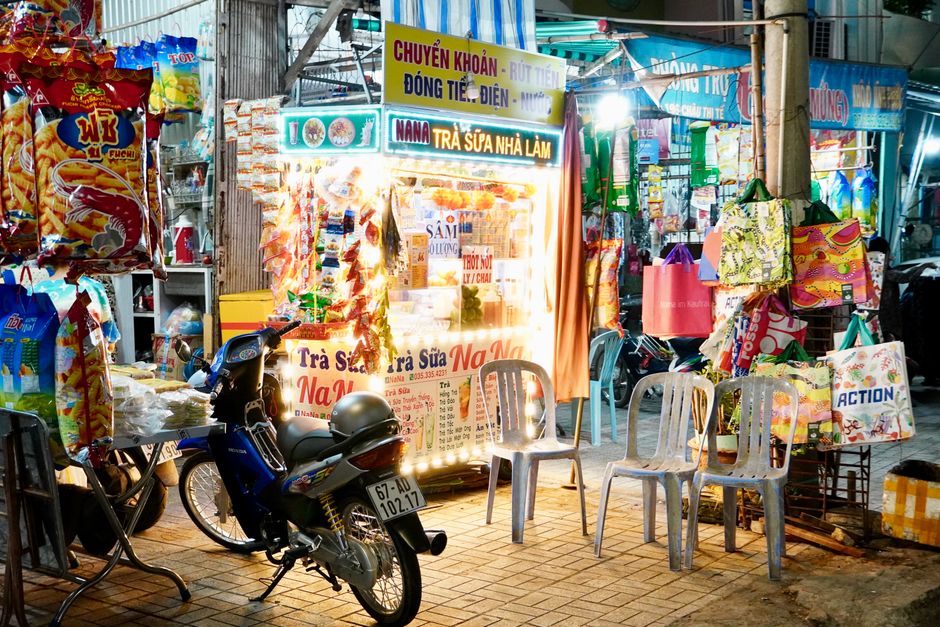
Alcohol taxes are the silent budget killer. A large Chang beer at 7-Eleven costs 45 baht ($1.25). That same beer at a beach bar in Railay costs 120 baht ($3.30). Three beach bar beers daily adds $10 to your budget—a 25% increase on a $40 day. Imported wine remains a luxury. A glass of Australian Shiraz in Bangkok runs 350 baht ($9.70), more than your dorm bed. If drinking is central to your social experience, budget $12–$18 daily for alcohol alone. If you skip it, you save $400 monthly.
Transport booking platforms inflate costs. Walk-up bus tickets at Mo Chit station in Bangkok cost 15–30% less than the same ticket on 12Go Asia or Bookaway. The convenience fee is real. For short-haul flights, AirAsia and VietJet still offer flash sales, but the final price after baggage and seat selection often doubles the advertised fare. The fix: book directly at bus stations and train counters when possible. Reserve online only for peak holiday periods like Songkran or Tet.
The Digital Nomad Effect on Accommodation
Chiang Mai’s Nimmanhaemin neighborhood tells the story. In 2019, a monthly apartment with a pool and gym rented for 8,000 baht ($220). In 2026, that same unit lists at 15,000 baht ($415). The influx of remote workers on DTV visas and long-term stay programs reshaped the rental market. Landlords now price for Western earning power, not local wages. Short-term backpackers feel the ripple: hostels raised dorm prices to capture the higher-spending crowd that might otherwise book a private room.
This isn’t all bad. The competition created better infrastructure. Coworking spaces like Punspace in Chiang Mai and Outpost in Bali offer reliable 300 Mbps internet—unthinkable five years ago. The tradeoff: you pay $120 monthly for a hotdesk membership that didn’t exist before. If you’re working remotely, that’s a business expense worth absorbing. If you’re purely traveling, the premium on “digital nomad” neighborhoods adds unnecessary cost. Stay two BTS stops away in Bangkok or a kilometer outside Ubud center, and prices drop 40%.
When the Banana Pancake Trail Costs More Than Europe
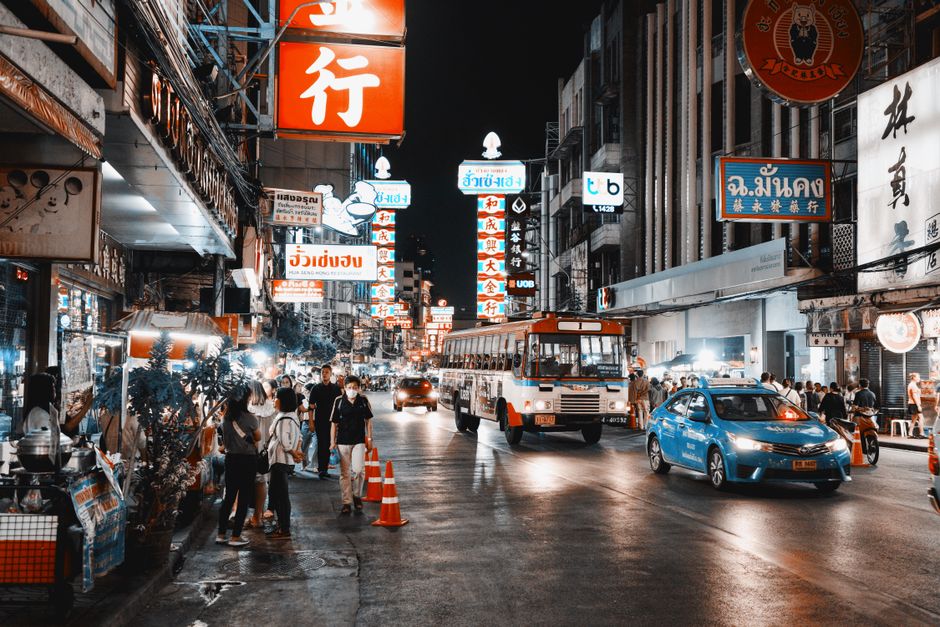
Some Southeast Asian experiences now match or exceed European prices. A PADI Open Water certification in Koh Tao costs 11,000 baht ($305). The same certification in Gozo, Malta runs €300 ($325). The gap is negligible. The Ethical Elephant Sanctuary experience in Chiang Mai charges 2,500 baht ($69) for a half-day visit. A guided hiking tour in Slovenia’s Triglav National Park costs €55 ($60). The value proposition shifts when you compare like-for-like organized activities rather than just street food and dorm beds.
This catches budget travelers off guard. They budget for cheap living and forget that bucket-list activities carry Western price tags. The solution isn’t to skip them—it’s to prioritize. Pick three paid experiences per country maximum. Fill the rest of your days with free activities: hiking, temple walks, public beaches, and local markets. A sunrise hike at Mount Batur in Bali costs 450,000 IDR ($28) for a guide. The Campuhan Ridge Walk in Ubud costs nothing. Both deliver Instagram-worthy views. One destroys your budget; the other preserves it.
Three Countries Where Your Money Still Goes Farther
Laos remains the most undervalued destination in the region. A dorm bed in Luang Prabang costs $5. A bowl of khao soi noodle soup runs 20,000 kip ($0.90). The slow boat from Huay Xai to Luang Prabang—a two-day Mekong journey—costs $25. That same experiential travel in Thailand would cost triple. The tradeoff: infrastructure is rougher, WiFi spottier, and nightlife quieter. For pure budget optimization, Laos wins.
Central and northern Vietnam—specifically Da Nang, Hue, and Ha Giang—deliver exceptional value. A motorbike rental for the Ha Giang Loop costs 250,000 VND ($10) daily. Homestays along the route charge 150,000 VND ($6) including dinner and breakfast. The entire four-day loop can run under $100 all-in. Cambodia, outside of Siem Reap’s Angkor complex, offers similar value. The islands of Koh Rong and Koh Rong Samloem have $8 beachfront bungalows, though WiFi is essentially nonexistent.
Skip southern Thailand if budget is your primary concern. The islands are beautiful, but the cost-to-experience ratio has deteriorated. A basic fan bungalow on Koh Lipe now asks 1,200 baht ($33) in high season. For that price, you can get a private room with AC in Hoi An’s ancient town, two meals, and a beer.
The Banking and Payment Hack That Saves $200 Per Trip

ATM fees in Thailand hit 220 baht ($6.10) per withdrawal. In Vietnam, the fee runs 30,000–50,000 VND ($1.20–$2). Pull money three times weekly in Thailand, and you lose $73 monthly to fees alone. The fix requires two tools: a Wise multi-currency account and a Schwab Bank High Yield Investor Checking account. Schwab reimburses all ATM fees worldwide at the end of each statement period. Wise lets you hold and convert currencies at mid-market rates with a 0.43% fee on conversions above $1,000 monthly.
The workflow: load USD into Wise, convert to THB or VND when rates are favorable, then withdraw from local ATMs using the Schwab card. The ATM still charges the 220 baht fee, but Schwab refunds it. This combination eliminates the two biggest hidden costs: poor exchange rates and withdrawal surcharges. Over a three-month trip, the savings cover a PADI certification.
Is Backpacking Southeast Asia Still Worth It in 2026?
Yes. Unequivocally. But the value proposition shifted. Southeast Asia no longer subsidizes irresponsible spending. The backpacker who lands without a budget, books everything last-minute on platforms, drinks heavily in tourist bars, and chases every paid activity will burn $2,500 monthly—enough to travel comfortably in Portugal or Croatia. The backpacker who plans: mixes street food with occasional splurges, books transport locally, stays in less-famous neighborhoods, and prioritizes three paid experiences per country—that person still lives well on $1,200 monthly.
The region rewards intentionality. The myth of automatic affordability died somewhere around 2026. What remains is still the most culturally rich, logistically accessible, and genuinely warm region for long-term budget travel on Earth. You just need to treat it less like a theme park with fixed low prices and more like a place where your choices directly determine your costs.
| Country | Best For | Monthly Budget (Comfortable Backpacker) | Verdict |
|---|---|---|---|
| Vietnam | Overall value, food, motorbike adventures | $900 – $1,200 | Best value in the region |
| Laos | Ultra-budget, slow travel, nature | $700 – $900 | Cheapest, but rougher infrastructure |
| Thailand | Infrastructure, diving, digital nomad base | $1,300 – $1,700 | Still worth it, but plan carefully |
| Indonesia | Island hopping, culture, surfing | $1,100 – $1,500 | Strong value outside Bali’s hotspots |
| Cambodia | Temples, off-beat islands, history | $800 – $1,100 | Underrated budget destination |