
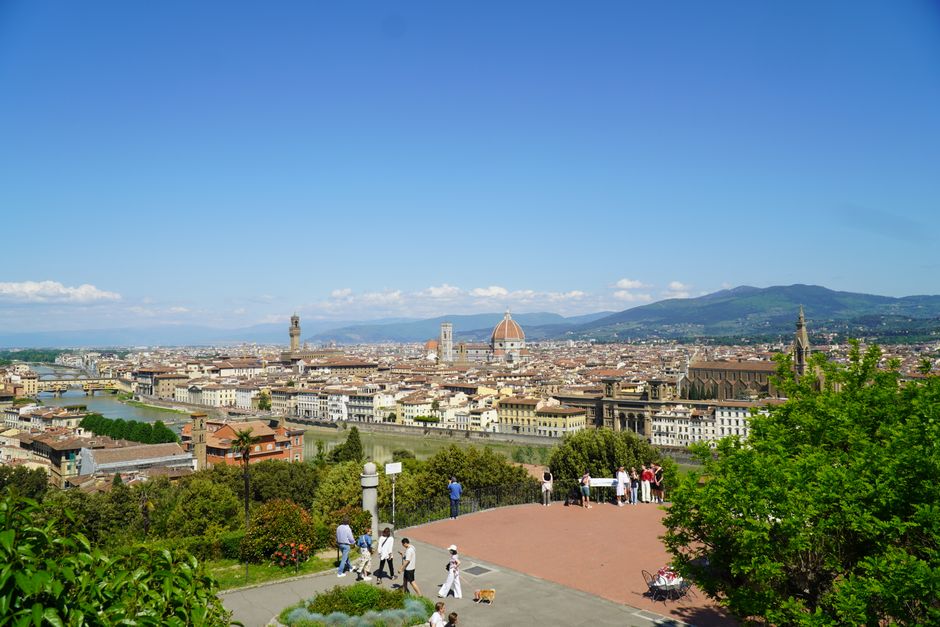
A Rome public-transport ticket costs €1.50 and lasts 100 minutes, while Florence’s urban ticket costs €2.00 for 90 minutes. That small difference hints at the larger choice: Rome gives you more scale and famous landmarks, while Florence gives you a smoother first solo trip.
Rome gives first-time solo travelers more room to improvise
Rome is the better choice for a first-time solo traveler who wants variety over convenience. You can spend one morning inside an ancient arena, eat lunch in a neighborhood market, walk past Renaissance fountains, and finish beside the Tiber. The city keeps offering new layers after the main sights are checked off.
Choose Rome for landmark depth
Rome works best when your ideal trip includes the Colosseum, Roman Forum, Palatine Hill, Pantheon, Trevi Fountain, Vatican Museums, and several unplanned stops. The tradeoff is distance. The historic center feels walkable, but the Vatican, Trastevere, Testaccio, and Monti are not one compact cluster. Plan one major area per half-day instead of crossing the city every few hours. The official Colosseum park requires a timed reservation, and ticket sales open 30 days before the visit date, so place that booking first.
Use Rome’s size instead of fighting it
Stay near Monti for easy access to the Colosseum and Termini, Prati for a calmer base near the Vatican, or Centro Storico for evening walks. Rome’s €1.50 BIT ticket covers 100 minutes, but a metro ride counts as one metro journey, so do not treat it like unlimited hopping. For a three-day stay with several transit rides, the official €22 Roma 72H ticket can be simpler. Rome wins when you enjoy building a loose route around one anchor sight each day.
Florence is the easier city for a first solo trip
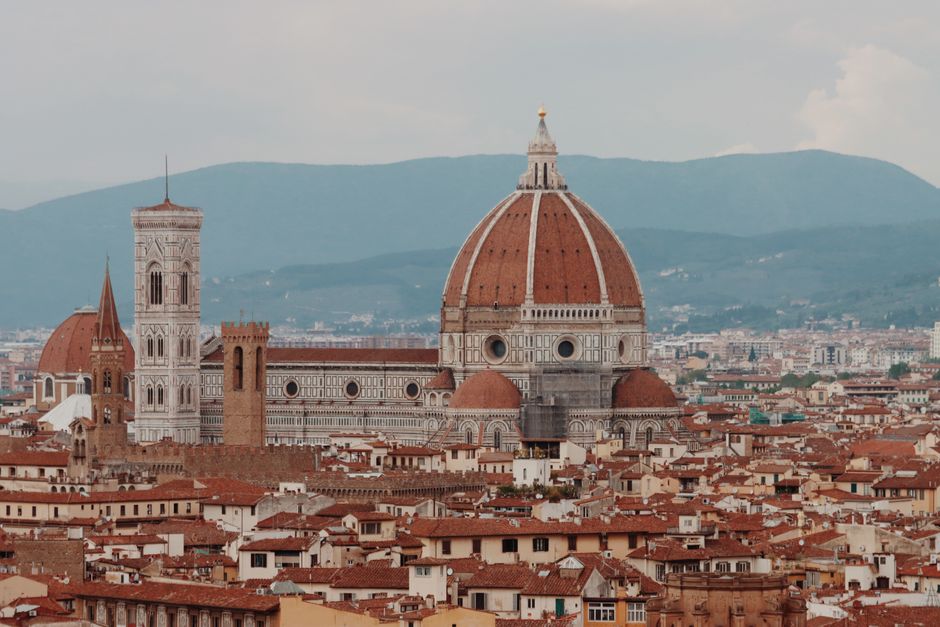
Florence is my clear winner for travelers who feel nervous about their first solo adventure. The central sights sit close together, Firenze Santa Maria Novella station is near the historic core, and a solo visitor can move from the Duomo to the Uffizi, Ponte Vecchio, and Santa Croce without mastering a large transit network.
That compact layout also makes mistakes cheaper: missing a bus rarely ruins the afternoon because you can walk to the next stop, and returning to your accommodation for a break takes less time. Florence still offers serious planning challenges because the Uffizi, Accademia, and Duomo complex use timed entries or limited spaces, but the city is easier to understand from a map. Its €2.00 urban ticket lasts 90 minutes, yet many first-time visitors can complete most sightseeing on foot.
Florence’s weakness is scale. After two or three full days, the headline sights may feel covered unless you add Fiesole, a Tuscan day trip, or smaller museums. Pick Florence when you value low-friction days, café breaks, art, and a quick sense of orientation. It is the strongest first solo base, even though Rome offers the bigger overall adventure.
Rome and Florence compared on the decisions that matter
The table below gives the practical answer before you choose hotels or flights. Prices are 2026 figures where official city or museum fares are available; accommodation and restaurant costs change by season and neighborhood.
| Decision | Rome | Florence | Winner |
|---|---|---|---|
| City feel | Large, layered, and spread out | Compact and easy to read | Florence |
| Urban transit | €1.50 BIT, valid for 100 minutes | €2.00 urban ticket, valid for 90 minutes | Rome |
| Ancient history | Colosseum, Forum, Palatine, Appian Way | Roman ruins are present but less dominant | Rome |
| Renaissance art | Strong, especially Vatican collections | Uffizi, Accademia, Pitti Palace | Florence |
| Big-ticket planning | Colosseum reservations open 30 days ahead | Uffizi costs €25 same day or €29 in advance | Draw |
| Best stay length | Four to five days | Two to three days | Depends on time |
| Best for nervous solo travelers | More route decisions | Shorter walking links | Florence |
The compressed verdict is simple: choose Florence for your first independent city break, and choose Rome if you want the trip to feel like a full introduction to Italy’s history, neighborhoods, and food culture.
Build a four-day plan before you book the train
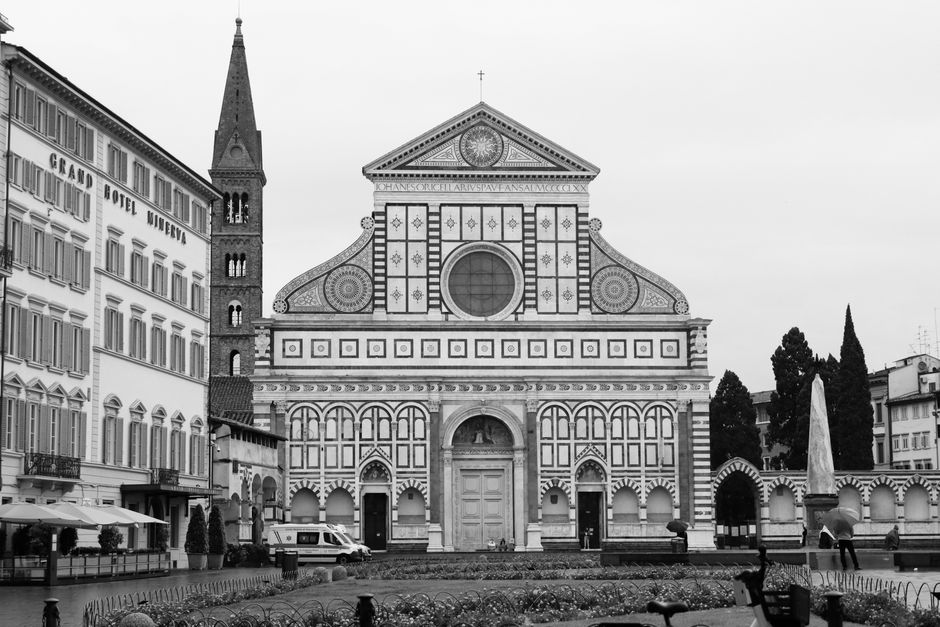
Do not split a short trip evenly between both cities unless you enjoy changing hotels. The high-speed train takes just over 1.5 hours, but station transfers, check-out, luggage storage, and finding your next room turn that ride into half a travel day.
If Rome is your base
- Day 1: Walk the Pantheon, Piazza Navona, Trevi Fountain, and Spanish Steps. Book the busiest sights for later days while you learn the city.
- Day 2: Start at the Colosseum, then continue through the Roman Forum and Palatine Hill. Rest before dinner in Monti.
- Day 3: Visit the Vatican Museums early, see St. Peter’s Basilica, and keep the evening near Prati.
- Day 4: Choose Trastevere and Testaccio, or take a day trip if you have already seen the central landmarks.
If Florence is your base
- Day 1: Tour the Duomo area early, cross Ponte Vecchio, and watch sunset from Piazzale Michelangelo.
- Day 2: Visit the Uffizi in the morning, then use the Oltrarno for lunch, artisan shops, and Palazzo Pitti.
- Day 3: See Michelangelo’s David at the Accademia, explore Santa Croce, and leave an unbooked afternoon.
- Day 4: Take a Tuscan excursion or move to Rome by high-speed train if both cities are essential.
For a first trip, Florence’s plan is easier to follow. Rome’s plan is more rewarding when you have enough time to absorb the gaps between major sights.
Pick your neighborhood before you judge city safety
Florence feels safer to me for a first solo visit because the center is easier to navigate, not because Rome is automatically unsafe. Both cities demand normal urban habits: protect your phone in crowded areas, avoid empty streets late at night, and check the route home before leaving a restaurant or bar.
The practical safety routine
- Book accommodation within a 10-minute walk of a well-used station or central street.
- Keep your passport in a locked room safe and carry a photocopy or secure digital copy.
- Use a cross-body bag with a closed zipper in markets, on buses, and around major monuments.
- Ignore unsolicited bracelet, rose, skip-the-line, and petition approaches.
- Save your accommodation address in your phone and write it on a card in your wallet.
The social difference
Florence makes casual solo socializing easier because walking routes repeatedly pass through the same cafés, piazzas, and hostel areas. Rome offers more nightlife and neighborhood variety, but you may need to choose a venue and travel farther to reach it. Stay in Monti or Prati in Rome for a manageable first visit; in Florence, Santa Maria Novella is convenient, while Santo Spirito is better for evening atmosphere. Florence wins for comfort, Rome wins for choice.
Book the major sights with the right free tools
How early should you reserve?
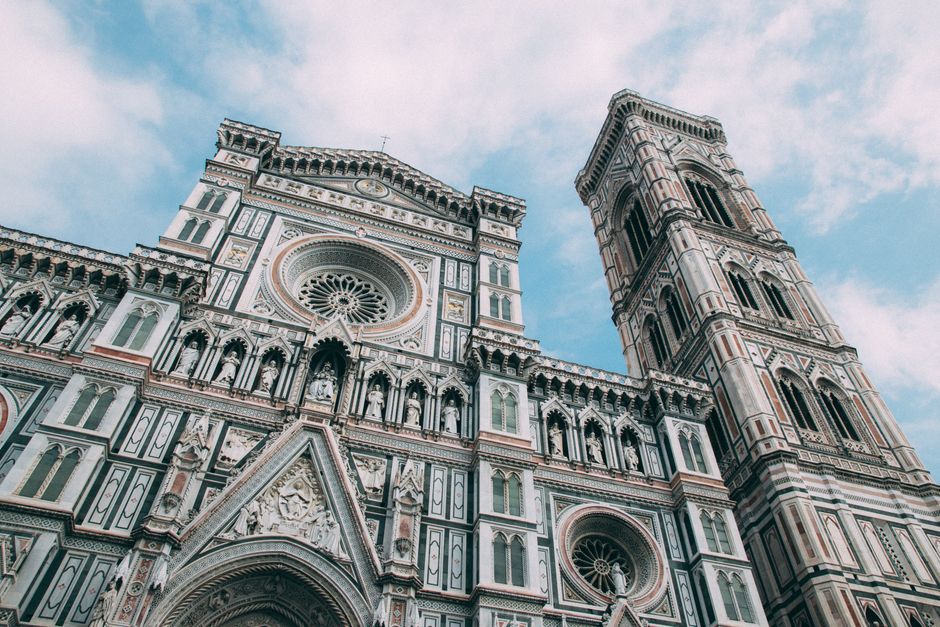
Reserve the Colosseum first, especially for spring, summer, and holiday dates. Use the free official MyColosseum booking system and app rather than an unverified reseller. In Florence, reserve the Uffizi and Accademia before arrival if the museum is central to your trip. The Uffizi’s ordinary ticket is €25 when purchased on the day and €29 when bought in advance; from 2026, entry from 4 p.m. costs €16 on the afternoon ticket.
Which apps actually help?
The free ATAC Roma app handles Rome tickets and supports contactless Tap & Go. Use the free Trenitalia app for the Rome–Florence train, and compare live walking routes in free Google Maps or Citymapper. These tools solve different problems: ATAC handles local fares, Trenitalia handles intercity travel, and the map apps reduce wrong turns.
Do not buy a city pass just because it promises savings. Add the exact attractions you will visit, their booking fees, and the number of transit rides first. For a museum-heavy Florence stay, the Uffizi five-day combined ticket costs €40 and covers one visit each to the Uffizi, Pitti Palace, and Boboli Gardens. That is useful only if those three sites are already in your plan.
Final verdict: choose Florence first, Rome when you want more
Choose Florence if this is your first solo trip, you have two or three days, you want art and food, and you prefer walking between most major sights. Its compact center gives you fast orientation and more room for spontaneous decisions.
Choose Rome if you have four or more days, care most about ancient history, or want a city with enough neighborhoods to support a second visit. Its scale creates more planning work, but also more variety and a stronger sense of discovery.
My overall recommendation is Florence for the first solo journey and Rome for the first substantial Italy trip. A strong compromise is to spend three nights in Florence, then take the direct high-speed train to Rome for four nights, keeping the itinerary anchored to one neighborhood each day.
As Italy’s high-speed rail network and timed-entry systems keep making multi-city travel easier, the best first trip will be the one that leaves enough space to stay curious after the headline landmark is finished.