
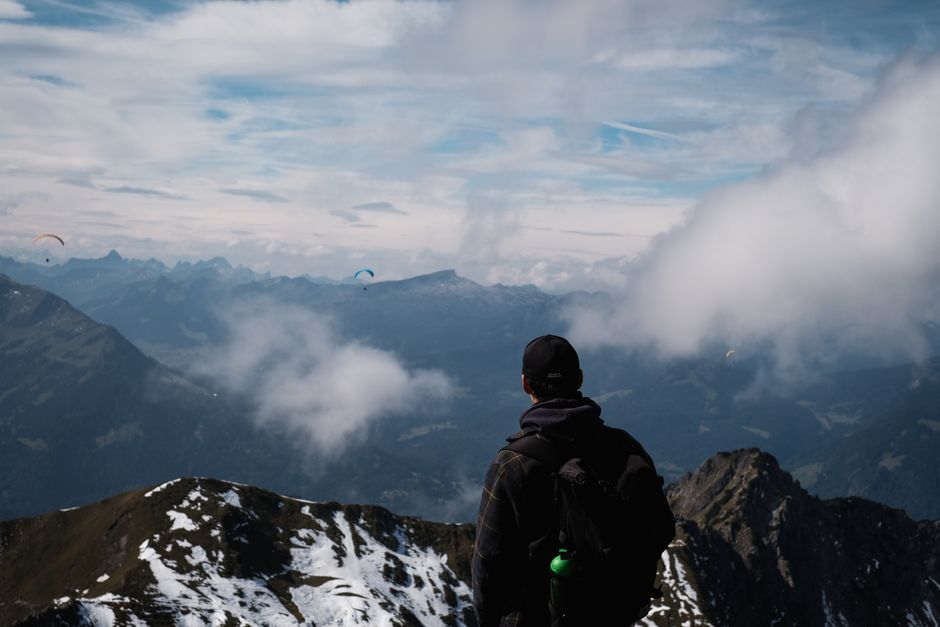
The Pacific Crest Trail is not a long vacation with better views. It is a 2,650-mile system of heat, snow, dry camps, resupply towns, permits, and hard decisions. Most beginners should start with a section hike before committing to a full thru-hike.
What a beginner must accept before starting
Start smaller before starting longer. A successful PCT trip depends less on heroic mileage than on making sound choices for several months in changing terrain.
The PCT is a season, not a vacation
A full northbound hike usually takes about five months during the snow-free season. The Pacific Crest Trail Association describes typical hikers as covering the route over roughly 4.5 to 5.5 months, with daily mileage rising only after the body develops trail legs. Your first weeks may average 10 to 15 miles per day. Later, 15 to 20 miles may become normal, but town stops, injuries, weather, and permit restrictions break up the schedule.
The route also changes character several times. Southern California brings heat, wind, exposed ridges, and long water carries. The Sierra Nevada adds high passes, snow, and dangerous creek crossings. Oregon often feels smoother underfoot, while Washington finishes with steep terrain, cold weather, and an early winter deadline. A plan that works in the desert can fail badly in the Cascades.
Build a smaller proof of readiness
Before a thru-hike, complete a seven- to ten-day section hike with at least one resupply or town stop. Carry the same pack, shelter, sleep system, water treatment, and navigation setup you expect to use for a longer trip. Test your feet on consecutive days, not just on a weekend.
A short trip will not predict every problem. It will reveal loose pack straps, poor food choices, cold sleeping habits, and the difference between walking 15 miles once and walking 15 miles four days in a row. For a beginner, that information is more valuable than buying lighter equipment.
When should a beginner hike the PCT?
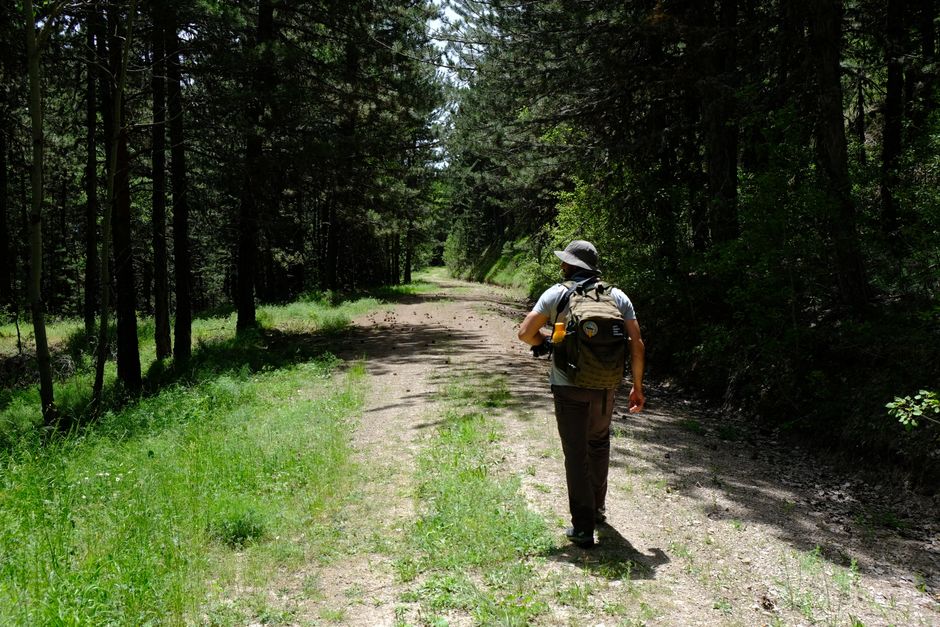
For a first PCT experience, choose a late-summer Oregon section hike. It offers a clearer introduction to long-distance trail life than an early-season Sierra crossing, provided you check wildfire closures before departure.
Use conditions instead of a fixed calendar
The PCTA warns that high elevations can hold snow into July, while Southern California can become dangerously hot in summer. A normal northbound schedule often starts in late April or May, reaches the Sierra after the main snow season, crosses Oregon during summer, and reaches Washington before major autumn storms. Those are planning patterns, not guarantees.
| Trail area | Common planning window | Beginner decision |
|---|---|---|
| Southern California | Spring or autumn | Avoid extreme heat and plan every water source |
| Sierra Nevada | Usually July through September | Wait for safe snow and creek conditions |
| Oregon | July through September | Best first section for many hikers |
| Washington | July through early autumn | Finish before serious winter weather |
The PCTA’s seasonal hiking guidance stresses that May and June can be hazardous in the Sierra because snow remains on the trail and streams run high. Treat an available start date as an administrative detail, not proof that the route is ready.
Consider a flip-flop for a full-length attempt
If completing the entire trail matters, a flip-flop can reduce calendar pressure. You might begin in central California, hike north to Canada, then return to finish the southern miles. This approach can avoid the worst combination of early Sierra snow and late Washington storms, but it creates extra transportation and resupply planning.
My recommendation is to make the route fit the season rather than forcing a traditional start. A delayed start, a section hike, or a flip-flop is a better result than walking into snow because a permit date looked convenient.
Which permits does the PCT require?
A PCT long-distance permit is useful, but it is not a universal pass. Permit rules change by land manager, park, activity, and trip length, so read the current conditions before each segment.
When the PCTA long-distance permit applies
Hikers traveling 500 or more continuous miles in one trip can apply for the free interagency PCT Long-distance Permit. It covers travel and camping in many areas that require permission, and it helps coordinate a long journey across California, Oregon, and Washington. The permit requires you to begin at the location and on the date listed.
The PCTA published a separate application process for the 2026 season. If you missed a release date, check the official permit portal for current availability, changes, or cancellations. Do not book expensive transportation until your application is approved.
Local permits still matter
Trips under 500 continuous miles may need local permits instead. Overnight travel in Yosemite Wilderness requires a wilderness permit year-round, with reservations needed during the busier late-April-through-October period. The Yosemite permit page explains trailhead quotas and reservation timing.
North Cascades National Park requires backcountry permits for overnight trips. A PCTA long-distance permit is honored at specific PCT camps, but other sites can require a separate park permit. Section hikers must read the park rules rather than assume the long-distance system covers them. International hikers should also review border and re-entry rules before planning a Canada finish.
What should a beginner carry on the PCT?
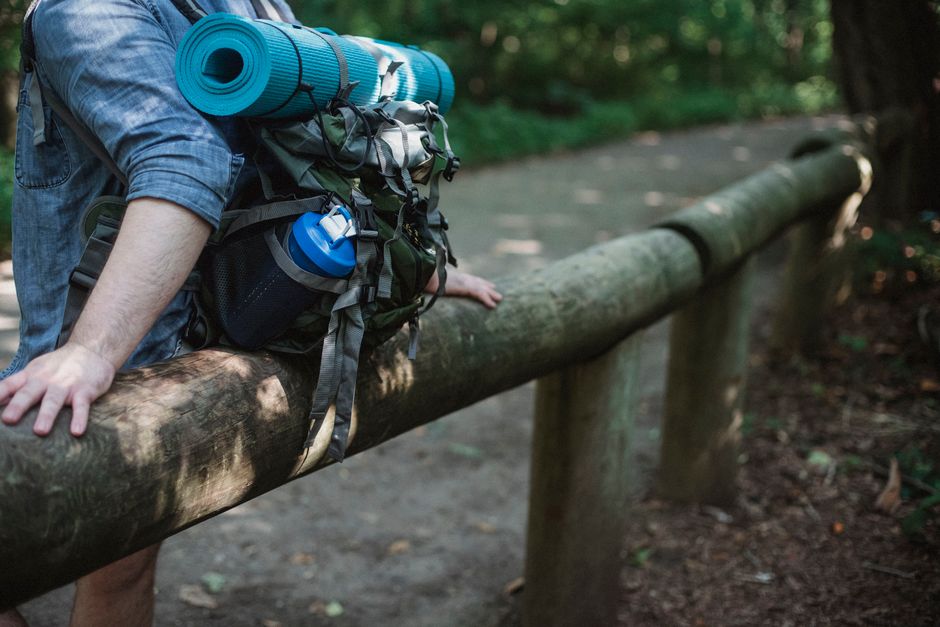
Keep the first pack simple, repairable, and familiar. A lighter pack helps, but a piece of gear only earns its place if you know how to use it when tired, wet, or cold.
Build a basic three-part gear system
- Shelter: A Big Agnes Copper Spur HV UL2 weighs about 2 pounds 11 ounces, while an Osprey Exos 58 provides roughly 58 liters for a larger food and water load. Manufacturer weights vary by size, stakes, and accessories, so weigh the complete setup at home.
- Water: The Sawyer Squeeze weighs about 3 ounces and can handle many trail resupply cycles. Carry chemical treatment as a backup because filters can clog, freeze, or break.
- Communication: The Garmin inReach Mini 2 weighs about 3.5 ounces and supports satellite messaging and emergency communication when cellular service disappears. Learn the check-in and SOS functions before leaving.
- Sleep: A Therm-a-Rest NeoAir XLite NXT regular pad weighs about 13 ounces and has an R-value around 4.5, but comfort and warmth matter more than a small weight saving.
These are examples, not a shopping list. Borrowing or renting equipment for a section hike can expose bad choices before they become expensive. Fit the pack with the actual load, walk in the shoes for several weeks, and keep one dry layer sealed inside the pack.
Water and weather set the real pack weight
Southern California can require a large water carry. The PCTA warns that some stretches approach 30 miles between reliable sources, and hikers may need to carry up to seven liters or more. That weight changes your pace, so calculate food and water together instead of planning by distance alone.
Never build a trip around a water cache. Caches can be empty, removed, contaminated, or inaccessible because of a closure. Check the current PCT water information, treat every natural source, and carry a backup method. Do not buy an ice axe and microspikes as a substitute for snow skills. If your route includes steep snow or swollen creeks, delay, reroute, or take training first.
What mistakes end beginner PCT hikes?
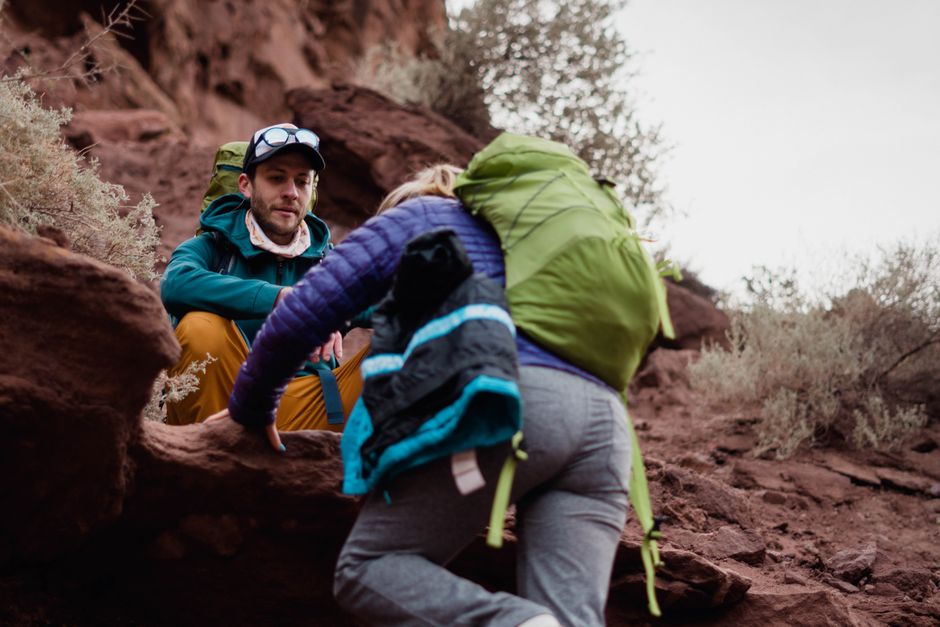
The most preventable failure is a plan that has no room to change. Build spare days, check conditions repeatedly, and treat turning around as a normal backcountry skill.
Fix these problems before they become emergencies
- Starting too fast: Keep the first week modest. Blisters, tendon pain, and stress injuries grow quietly under a big-mileage goal.
- Trusting old information: Recheck the PCTA closure map, land-manager notices, weather, and water reports shortly before each section.
- Relying on trail angels or caches: Treat unexpected help as a bonus. Carry enough food and water to complete the planned stretch without it.
- Confusing a permit with permission everywhere: Confirm park, wilderness, campfire, and group-size rules for each special management area.
- Entering snow without practice: Snow travel can turn a hiking trip into mountaineering. Steep slopes, hidden ice, whiteout navigation, and fast water demand specific skills.
- Ignoring an exit plan: Know the next road, trailhead, ranger station, or town where you can safely leave. Tell a contact your route and a check-in deadline.
Protect the budget and the way home
Long-distance travel also needs a financial safety net. If you buy travel insurance, compare emergency medical, evacuation, trip interruption, and pre-existing-condition exclusions. Premiums vary by state of residence and individual factors. AM Best financial-strength ratings and J.D. Power service scores can help screen insurers, but neither proves that a policy covers remote wilderness rescue. Get multiple quotes and read the certificate wording.
Carry offline maps, a charged backup battery, basic repair supplies, and enough cash or payment access for a town stop. The PCTA recommends using maps, current reports, and conservative judgment together. If your dream began with a single photograph from the trail, the practical way to reach that view is to earn it through a smaller trip, a realistic season, and a plan that can change.