
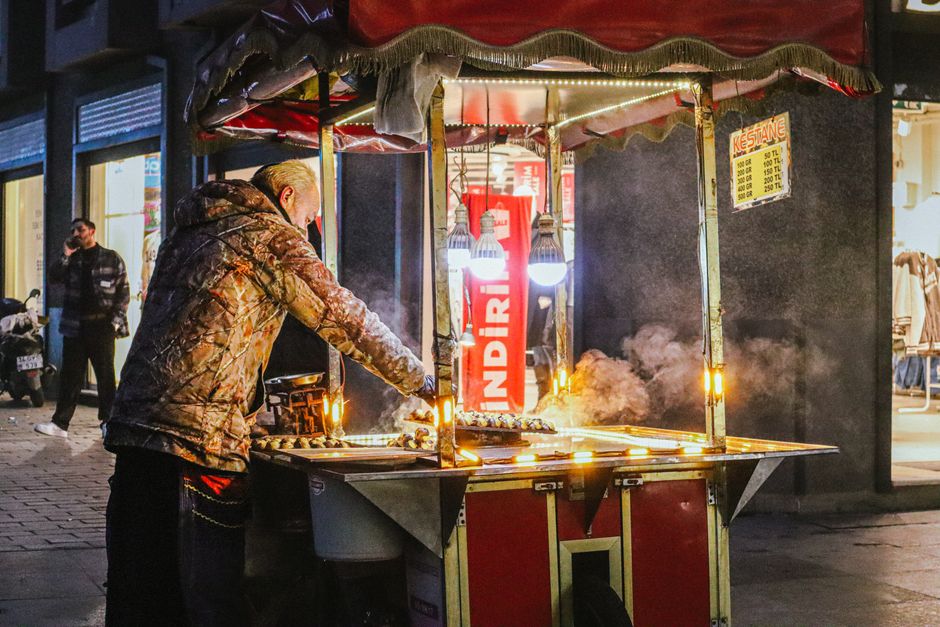
You’ve seen the YouTube videos. Steam rising from a charcoal grill. A vendor slicing pineapple off a vertical spit of pork. A line of locals holding paper plates. And you’re thinking: I want that. But I’m also scared of spending my vacation in a hotel bathroom.
That tension — craving the real thing versus fear of getting sick — is the single biggest barrier for first-time visitors to Mexico City’s street food markets. The good news? You can eat at 15 different stalls in one afternoon and feel fine. You just need to know what to look for, what to avoid, and how to pay without looking lost.
This guide covers the practical side of eating your way through CDMX’s markets in 2026: which markets to hit, how to judge a clean stall, what to carry, and the one mistake that ruins most beginners’ experience.
Why Street Food Markets Are the Best Entry Point for New Eaters
Street food markets solve the biggest problem tourists face: trust. A random taco cart on a side street at 11 PM? Risky. A market with 20 stalls, each serving the same dish for 20 years, with a line of grandmothers? That’s a safe bet.
Markets like Mercado de la Merced and Mercado de San Juan have built-in quality control. Stalls that serve bad food don’t survive. The vendors compete directly against each other, so standards stay high. Plus, you can see the cooking process — meat grilling from raw, vegetables being washed, tortillas pressed fresh.
Another advantage: variety. One market can cover breakfast, lunch, and snacks. You can try tlacoyos (stuffed masa boats with beans and nopales), elotes (grilled corn with crema and chili), tacos al pastor, carnitas, barbacoa, and fresh fruit with chili powder — all within a 10-minute walk.
Compare that to a sit-down restaurant where you’re locked into one menu. Markets let you sample 5 different things for the price of one restaurant meal.
The tradeoff? You need to be slightly more alert. Crowds, heat, and limited seating are part of the experience. But the payoff — a meal that costs 40 pesos ($2 USD) and tastes better than anything you’ll find in a guidebook restaurant — is worth it.
The Hygiene Rulebook: How to Spot a Clean Stall in 10 Seconds
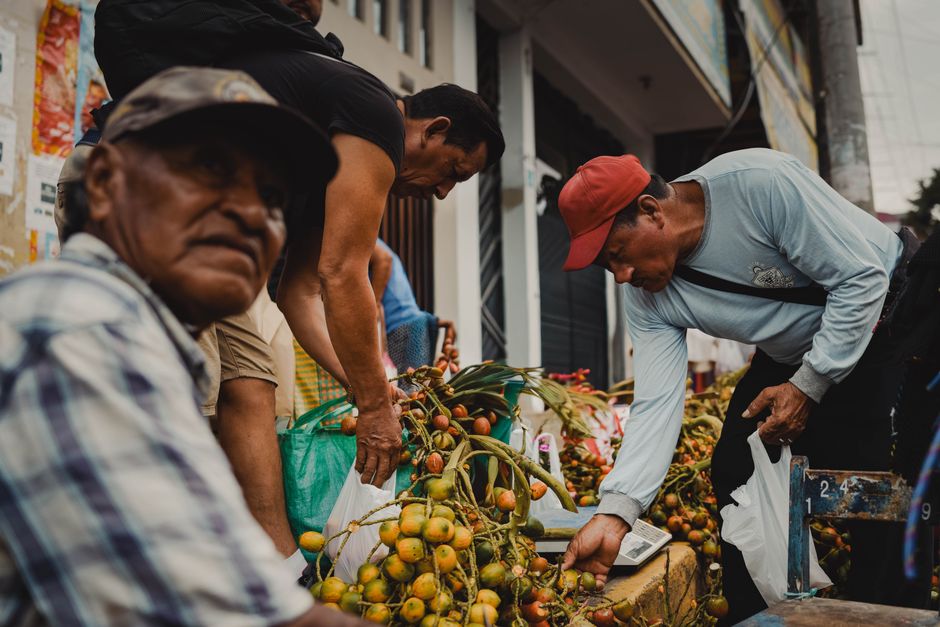
Here’s the hard truth: not every stall is safe. But you don’t need a food science degree to tell the difference. Train your eyes on three things.
Fire and Heat
If the meat is sitting in a lukewarm tray under a heat lamp, walk away. If it’s being grilled, roasted, or fried in front of you — with visible flames or sizzling oil — that’s good. High heat kills bacteria. Stalls that cook to order, not pre-cook and hold, are safer.
Ingredient Storage
Look at the salsas. Are they sitting in open bowls in the sun? That’s a problem. Good stalls keep salsas chilled or in covered containers. Same with crema (Mexican sour cream) — it should be kept cold, not sitting out for hours. Raw vegetables like cilantro and onion should look fresh, not wilted or brown.
Crowd Volume
This is the easiest shortcut. A stall with a line of locals at 2 PM is almost certainly clean. High turnover means ingredients don’t sit around. Empty stalls are empty for a reason. Follow the crowd, not the Instagram aesthetic.
One more tip: bring your own hand sanitizer. Many markets have sinks, but soap runs out. A small bottle of 70% alcohol gel costs 30 pesos at any pharmacy. Use it before you eat. That single habit cuts your risk of stomach issues by a huge margin.
Which Markets to Visit (and Which to Skip as a Beginner)
Not all markets are created equal. Some are tourist-friendly. Some are overwhelming chaos. Here’s the breakdown.
| Market | Best For | Vibe | Beginner Rating |
|---|---|---|---|
| Mercado de San Juan | Gourmet tacos, exotic meats (crocodile, iguana), high-end produce | Clean, organized, English spoken at many stalls | 9/10 — easiest entry point |
| Mercado de la Merced | Traditional antojitos (tlacoyos, sopes, huaraches), huge fruit section | Massive, chaotic, crowded — real Mexico City energy | 6/10 — go with a local or after you’ve built confidence |
| Mercado de Coyoacán | Tostadas, quesadillas, churros, artisanal chocolate | Tourist-friendly, outdoor seating, good for groups | 8/10 — safe and photogenic |
| Mercado Jamaica | Flowers (not food — skip unless you want a bouquet) | Beautiful but not a food market | 2/10 — wrong market for eating |
Mercado de San Juan is the best choice for a first-timer. It’s clean, well-lit, and the vendors are used to foreigners. You can find tacos al pastor for 25 pesos ($1.25 USD) and sit at a counter without being jostled. Start there, build confidence, then graduate to La Merced on day three.
The One Mistake Beginners Make (And How to Avoid It)
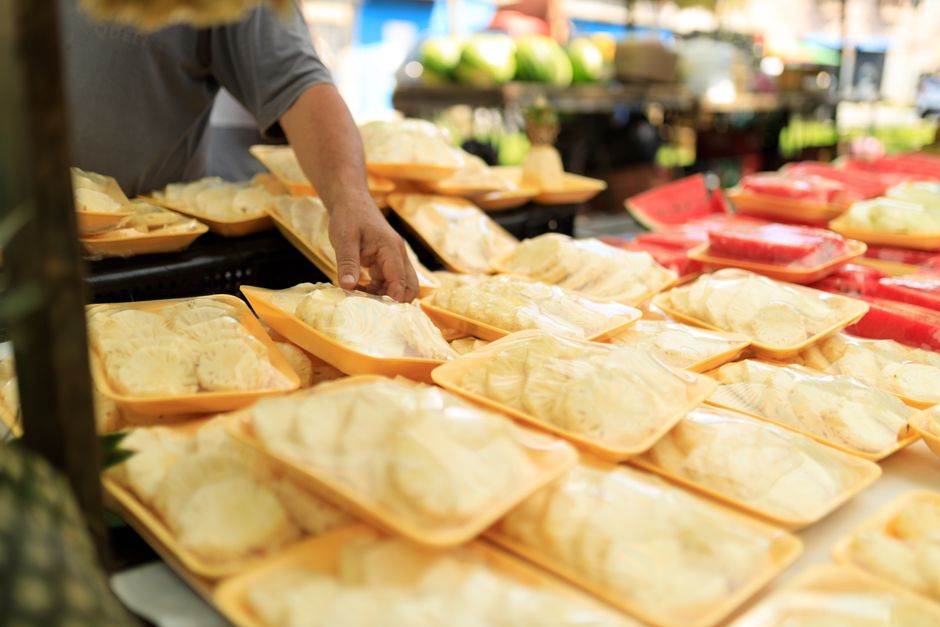
It’s not the salsa. It’s not the meat. It’s ordering too much too fast.
Beginners arrive hungry, see 20 amazing things, and buy one of everything. Then they eat it all in 15 minutes. Their stomach — not used to the spices, the oils, the sheer volume — rebels. And they blame the food.
The fix is simple: pace yourself. Order one item. Eat it slowly. Wait 10 minutes. If you feel fine, get the next thing. Your gut needs time to adjust to a new microbiome. This is especially true for street corn (elote) slathered in crema and cheese — delicious, but heavy if you’re not used to dairy in that quantity.
Another common failure: drinking tap water to wash it down. Don’t. Stick to bottled water, which costs 15 pesos at any corner store. Even ice can be risky — ask if it’s made from purified water. Most market stalls use bagged ice from factories, but it’s worth confirming.
One more mistake: paying with large bills. Vendors operate on small margins. A 500-peso note ($25 USD) for a 40-peso taco will get you a frustrated look and possibly no change. Carry small denominations — 20, 50, and 100 peso notes. Keep coins handy for the 10-peso fruit cups.
What to Carry in Your Market Day Pack
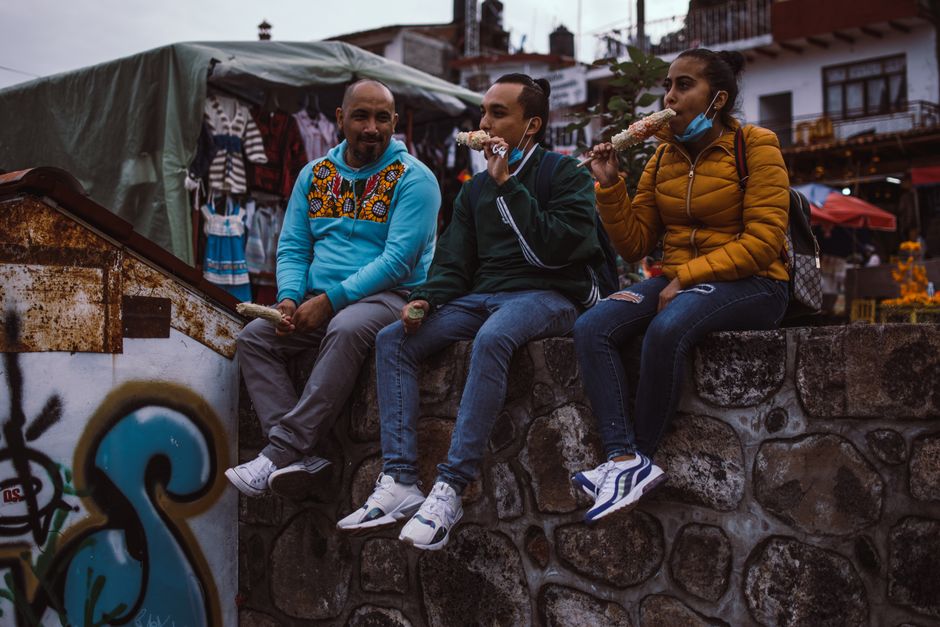
You don’t need much. But the right items make the difference between a great afternoon and a stressful one.
- Hand sanitizer (70% alcohol, 60ml bottle) — use before every meal. Costs 30 pesos at Farmacias Similares.
- Small bills and coins — 300 pesos in 20s and 50s will cover 5-6 items. No one takes credit cards at market stalls.
- Reusable bag — for any packaged goods (spices, dried chiles, chocolate). Markets charge 1-2 pesos for plastic bags now.
- Bottled water — buy a 1.5L bottle for 15 pesos before entering. Don’t rely on finding clean water inside.
- Phone with offline maps — Google Maps works in most markets, but download the area beforehand. Cell signal gets spotty inside large covered markets like La Merced.
- A light jacket or hoodie — covered markets stay cool year-round. In summer, the contrast between 30°C outside and 18°C inside can be jarring.
Leave the expensive camera and jewelry at your accommodation. Markets are safe, but pickpocketing happens in crowds. Keep your phone in a front pocket or zipped bag. Don’t flash wads of cash.
If you plan to visit multiple markets in one trip, consider a crossbody anti-theft bag (Pacsafe or Travelon models start at $35 USD). They have slash-proof straps and RFID pockets. Not strictly necessary for a single visit, but useful if you’re doing a full food tour day.
Quick summary for the indecisive: Start at Mercado de San Juan. Order one taco al pastor. Watch the vendor slice it. Eat it standing up. Drink bottled water. Use hand sanitizer. Wait 10 minutes. Then order a tlacoyo. That’s the perfect first hour in Mexico City’s street food scene.