
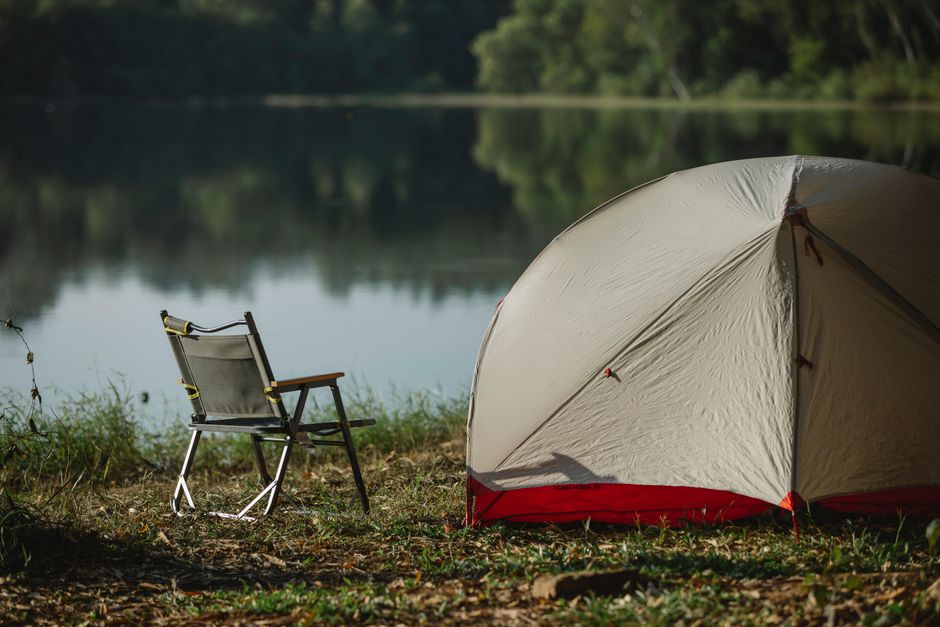
You want to camp. But you don’t own a tent, a sleeping bag, or a stove. Dropping $800 on gear you’ll use twice feels stupid. Renting exists — but is it actually a good deal? It depends entirely on where you’re going, what you need, and how often you’ll go.
What Camping Gear Rentals Actually Cost (Real Numbers)
Rental prices vary wildly by location and gear quality. Here’s what you’ll pay at major rental outlets in the US and Canada as of early 2026.
| Item | Typical Rental Price (per night) | Retail Price (new) | Break-Even Point (nights) |
|---|---|---|---|
| 2-person tent (e.g., Big Agnes Copper Spur HV UL2) | $25–$35 | $400 | 12–16 nights |
| Sleeping bag (20°F synthetic, e.g., REI Co-op Siesta Hooded) | $12–$18 | $100 | 6–8 nights |
| Sleeping pad (e.g., Therm-a-Rest NeoAir XLite) | $8–$12 | $200 | 17–25 nights |
| Backpacking stove (e.g., MSR PocketRocket 2) | $5–$8 | $45 | 6–9 nights |
| Complete backpacking kit (tent, bag, pad, stove) | $50–$80 | $745 | 10–15 nights |
These prices come from REI Co-op rental programs and independent outfitters in Seattle, Denver, and Portland. Urban areas with outdoor culture tend to have more competition and lower prices. Small-town rental shops often charge 20–30% more.
Why Most People Who Rent Gear End Up Frustrated
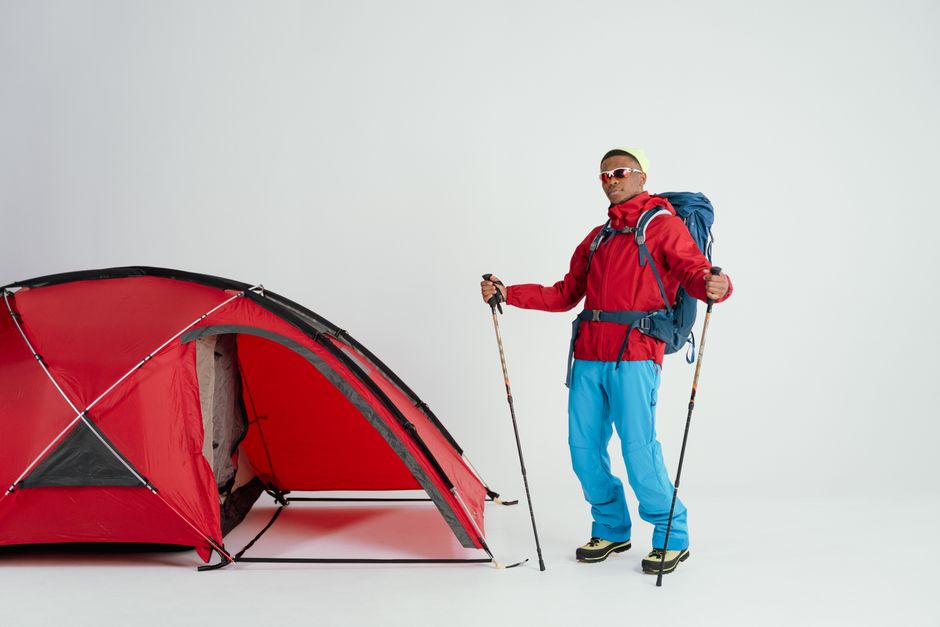
Three common failures ruin the rental experience. First: you reserve a tent online, show up, and get a different model — heavier, older, or missing poles. Second: the sleeping bag smells like someone else’s campfire and you can’t air it out before dark. Third: you don’t test the stove, and it won’t light at 9,000 feet.
Rental gear takes abuse. A tent that’s been set up 50 times has bent poles, torn mesh, and a floor with micro-tears. A sleeping pad that’s been inflated 100 times may have a slow leak you won’t notice until 3 AM.
Rental shops do inspect gear between uses. But they miss things. Always unpack and inspect everything immediately. Run your hand along tent seams. Inflate the pad fully and listen. Light the stove outside before you load it into your pack.
When renting makes sense despite the risks
You’re flying to a trailhead and checking gear as luggage would cost $50 each way. You’re trying backpacking for the first time and don’t know if you’ll like it. You need a specialized item — like a bear canister or a 4-season tent — that you’ll use once every three years.
When renting is a bad idea
You’re camping for more than 10 nights a year. You’re going somewhere remote with no gear replacement options. You need specific gear that fits your body — a sleeping bag that matches your height, a tent you can set up blindfolded. Rental gear is generic. It fits everyone poorly.
The Hidden Cost of Rental Gear: Time and Convenience
Renting takes time. You drive to the shop, wait in line, fill out waivers, inspect gear, carry it to your car. Return is the same loop in reverse. If the shop is 30 minutes from your house, that’s two hours of driving plus 45 minutes of paperwork per trip. That’s three hours of your life for a weekend rental.
Compare that to owning: you grab your gear from the closet, throw it in the car, and go. On a 3-day trip, renting costs you about the same time as packing your own gear. On a 1-night trip, renting costs more time than the trip itself.
Rental shops also have limited hours. Most close at 6 PM on Friday. If your flight lands at 7 PM, you’re out of luck. Some shops offer after-hours pickup lockers, but those usually have a smaller selection and no inspection option.
The real cost of renting isn’t the $60 fee. It’s the two hours you spend picking up and dropping off gear. If your time is worth $25/hour, that’s $50 of hidden cost on top of the rental fee.
Gear Quality: What You Get vs. What You Pay For
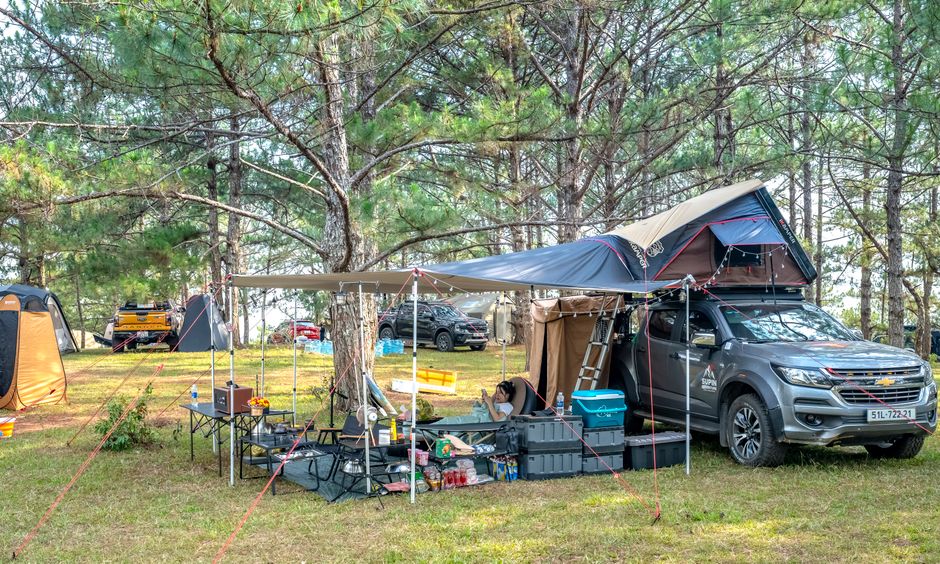
Rental shops don’t stock ultralight gear. They stock durable gear that survives 100 rentals. A typical rental tent weighs 7–9 pounds for a 2-person model. A typical rental sleeping bag weighs 4–6 pounds. Your pack weight will be 35–45 pounds for a 3-day trip.
By contrast, a lightweight personal setup (e.g., Big Agnes Copper Spur HV UL2 tent at 3 lbs, Therm-a-Rest NeoAir XLite pad at 12 oz, Enlightened Equipment Enigma quilt at 19 oz) keeps your base weight under 10 pounds.
Rental gear is heavy. That matters on long hikes. If you’re car camping (walking 50 feet from your car to your site), weight doesn’t matter. If you’re backpacking 8 miles to a lake, an extra 15 pounds of pack weight will make you miserable.
Some rental shops now offer “lightweight” options — usually the MSR Hubba Hubba NX tent ($25/night) or a Therm-a-Rest pad ($10/night). But availability is limited. Reserve weeks ahead for lightweight rentals, especially in summer.
When to Buy Instead of Rent (The Math)
Here’s the simplest rule: if you’ll camp more than 8 nights total in the next two years, buy a basic setup. A budget-friendly kit — Coleman Sundome 2-person tent ($80), Teton Sports Celsius XXL sleeping bag ($80), generic foam pad ($15), and a butane stove ($25) — costs $200 total. That’s less than four nights of renting a full kit.
This gear isn’t light. The tent weighs 8 pounds. The sleeping bag is bulky. But for car camping twice a year, it works fine and lasts years.
If you’re backpacking, the math changes. A lightweight kit costs $600–$1,200. Break-even is 15–25 rental nights. But the comfort and convenience of owning gear that fits you perfectly is worth something too.
The one-item exception
Bear canisters. They cost $80 to buy, rent for $5–$8 per night, and you need them only in specific areas (Yosemite, Sierra Nevada, parts of the Rockies). If you camp in bear country once a year, rent. If you go twice, buy — the BV500 lasts forever.
How to Rent Gear Without Getting Burned
Follow these steps every time.
1. Call ahead and confirm the exact model. Don’t rely on the website. Ask: “Is the Big Agnes Copper Spur HV UL2 available for these dates? What condition is it in?” If they can’t confirm a specific model, find another shop.
2. Inspect everything before you leave the shop. Set up the tent in the parking lot. Inflate the sleeping pad fully and wait 5 minutes. Check the stove’s fuel canister — is it full? Check the sleeping bag for rips and zipper function. You can’t return gear once you leave the parking lot.
3. Bring your own repair kit. A $10 patch kit for sleeping pads, a tent pole repair sleeve, and a mini lighter. Rental gear breaks. If you’re 10 miles from the trailhead when a pole snaps, you need a fix, not a phone call.
4. Take photos of everything. Before you leave the shop, photograph the gear from all angles. If the shop claims you damaged something that was already broken, you have proof.
5. Rent from shops that offer a “damage waiver.” Some charge $3–$5 extra but cap your liability at $20 if gear breaks. Without it, you could pay full retail for a damaged tent.
Rental Alternatives: Borrowing, Buying Used, and Gear Libraries
Renting isn’t your only option. Three alternatives often work better.
Borrow from friends. Most people who own camping gear own too much of it. They’ll lend you a tent for a weekend. Offer to clean it and fill their gas tank. That costs $20 and zero hassle. The risk: gear that doesn’t fit, missing parts, or a friend who flakes.
Buy used. REI Re/Supply sells returned gear at 30–50% off retail. Facebook Marketplace is full of “used once” tents. A used 2-person tent from a reputable brand (MSR, Big Agnes, Nemo) costs $100–$200 and will last years. Buying used is almost always cheaper than renting if you camp more than 5 nights.
Gear libraries. Some cities (Portland, Seattle, Boulder, Austin) have nonprofit gear libraries where you borrow equipment for free or a small membership fee ($20–$50/year). Selection is limited and quality varies, but for a single trip it’s the cheapest option by far.
When none of these work
You’re in a remote area with no rental shop, no friends, and no used gear market. Your flight lands at 10 PM. In that case, buy a cheap tent at Walmart ($50), use it for the trip, and donate it afterward. That’s cheaper than shipping your own gear or staying in a hotel.
Rent vs. Buy: The Verdict for Every Situation
| Your Situation | Best Option | Why |
|---|---|---|
| Camping once, car camping, within 30 min of a rental shop | Rent | Cheaper than buying, no storage needed |
| Camping once, backpacking, lightweight gear needed | Rent (lightweight option) | Ultralight gear is too expensive to buy for one trip |
| Camping 2–5 nights per year, car camping | Buy cheap gear ($200–$300) | Breaks even after 4–6 nights, no rental hassle |
| Camping 6+ nights per year, backpacking | Buy lightweight gear ($600–$1,200) | Breaks even after 15–20 nights, comfort and reliability |
| Flying to a trailhead, need gear at destination | Rent at destination | Avoids baggage fees and airline damage |
| Need a bear canister or 4-season tent | Rent | Specialized gear you’ll rarely use |
| You have friends who camp | Borrow | Cheapest and simplest, if gear fits |
Camping gear rental is a smart choice for the right situation. One trip, car camping, near a rental shop? Go for it. Backpacking three times a year? Buy your own. The math is clear: rent for convenience, buy for frequency. And always inspect gear before you leave the shop.