

You’re 22, you have $2,000 saved, and two weeks of vacation. Every Instagram travel account tells you to go to Bali or Barcelona. But those places cost $100 a night for a hostel dorm now. This guide skips the hype. It compares eight destinations on real costs — accommodation, food, transport, safety, and hidden fees — so you can pick one that actually fits your budget and your style.
What Makes a Destination Worth It for Young Adults?
Three things matter more than photos: daily cost, safety for solo travelers, and ease of meeting people. A destination that scores high on all three lets you stretch your money and your experience.
Daily cost means everything — accommodation, three meals, one paid activity, and local transport. Safety for solo travelers includes low violent crime rates, reliable public transport at night, and English-friendly signage. Ease of meeting people means hostels with common areas, group tours, and a backpacker scene that isn’t dead.
If you’re a solo female traveler, safety matters even more. Check the U.S. State Department travel advisories and read recent posts on r/solotravel. Some destinations score fine on paper but have specific neighborhoods you should avoid after dark.
The table below ranks eight destinations on these three criteria using 2026–2026 data from Numbeo, Hostelworld, and personal travel reports.
| Destination | Daily Cost (USD) | Safety Score | Social Scene | Best For |
|---|---|---|---|---|
| Vietnam | $25–$35 | High | Excellent | Budget backpackers, street food lovers |
| Portugal | $50–$70 | Very High | Good | First-time solo travelers, surfers |
| Mexico (Oaxaca, CDMX) | $40–$55 | Moderate | Excellent | Foodies, culture seekers |
| Colombia | $35–$50 | Moderate | Excellent | Party travelers, nature lovers |
| Thailand | $30–$45 | High | Excellent | Beach lovers, digital nomads |
| Georgia (the country) | $30–$40 | High | Good | Hikers, wine enthusiasts |
| Romania | $35–$50 | High | Good | History buffs, budget European travelers |
| Indonesia (Lombok, not Bali) | $25–$40 | Moderate | Moderate | Off-the-beaten-path adventurers |
Daily cost includes a hostel dorm bed, three meals at local spots, one paid activity (museum entry, tour, or rental), and local transport. Safety score is a composite of violent crime rates, police reliability, and women’s safety reports. Social scene ranks hostel density, group tour availability, and nightlife options.
Vietnam: The Best Value for Money in 2026
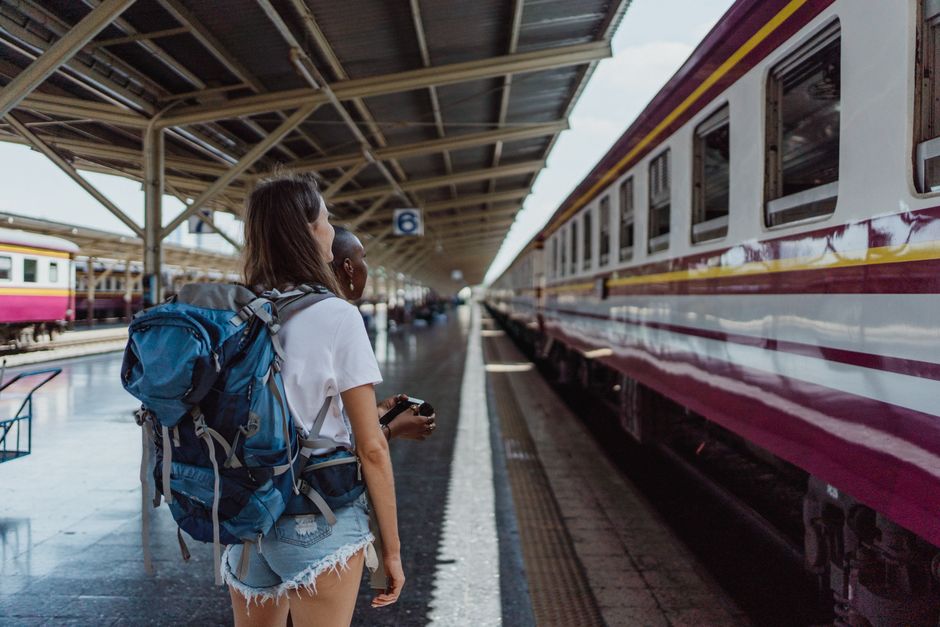
Vietnam wins on raw numbers. A dorm bed costs $6–$10. A bowl of pho costs $2. A 12-hour overnight bus between cities costs $12. You can travel for two weeks on $500 and never feel like you’re roughing it.
The backpacker trail is well-worn: Hanoi → Ha Giang Loop → Ninh Binh → Hoi An → Ho Chi Minh City. Hostels like Hanoi Buffalo Hostel and Hoi An Backpackers Hostel have pool tables, family dinners, and group pub crawls. You’ll meet people within an hour of checking in.
The catch: Traffic in Hanoi and Ho Chi Minh City is chaotic. Crossing the street takes practice. Also, some travelers report stomach issues from street food — bring Imodium and electrolyte packets. The Vietnam SIM card from Viettel costs $5 for 30GB of data, which solves the connectivity problem instantly.
If you want beaches, skip Nha Trang (too touristy) and head to Da Nang or Phu Quoc. If you want mountains, the Ha Giang Loop motorbike trip is the single best experience in Southeast Asia for young adults. Rent a bike for $15/day or join a tour for $200 for four days.
Portugal: Safest Option for Solo Travelers
Portugal is the safest destination on this list. Lisbon and Porto have very low violent crime rates. English is widely spoken. Public transport runs reliably until midnight. Solo female travelers consistently rate Portugal as one of the easiest places to travel alone.
Costs are higher than Asia but still low for Europe. A dorm bed in Lisbon costs $20–$30. A meal with wine costs $12–$18. The 72-hour Lisbon card ($22) gives you free metro and bus rides plus entry to 30 museums.
Hostels like Home Lisbon Hostel and Yes! Lisbon Hostel have free walking tours, family-style dinners, and rooftop bars. The social scene is active but not wild — you can party if you want, or you can sit at a cafe and read.
The catch: Portugal gets crowded in summer (June–August). Book hostels at least two weeks ahead. Also, the hills in Lisbon are brutal — wear comfortable shoes. The Vodafone Portugal travel SIM costs $10 for 20GB and works across the EU.
For surfers, Ericeira is 45 minutes from Lisbon and has world-class waves. For beach lovers, the Algarve coast (Lagos, Sagres) has dramatic cliffs and caves. The train from Lisbon to Lagos takes 3.5 hours and costs $15.
Mexico City and Oaxaca: Culture and Food on a Budget
Mexico City has become a hotspot for young travelers. A dorm bed costs $12–$18. A taco costs $1.50. The metro costs $0.30 per ride. You can eat like a king for $15 a day.
The food scene is unmatched. Mercado de San Juan has exotic meats. El Huequito has the best al pastor tacos in the city. Cooking classes cost $30 and teach you to make mole and tamales.
Safety is moderate — CDMX has safe neighborhoods (Condesa, Roma, Coyoacán) and unsafe ones (Tepito, Iztapalapa). Stick to the safe zones, use Uber at night, and don’t flash valuables. The Mexico SIM card from Telcel costs $8 for 15GB.
The catch: Altitude. Mexico City sits at 2,250 meters. You’ll feel winded walking up stairs for the first two days. Drink lots of water and skip alcohol on day one.
Oaxaca City is a 6-hour bus ride from CDMX and costs $20. It has better food (mole, tlayudas) and a more relaxed vibe. The Hierve el Agua petrified waterfalls are a must-see day trip for $10.
Colombia: Best Nightlife for Party Travelers
Colombia has the best nightlife in South America for young adults. Medellín and Bogotá have clubs that stay open until 5 AM. A beer costs $1. A club entry costs $5–$10. The salsa scene in Cali is world-class.
Daily costs run $35–$50. A dorm bed in Medellín costs $10–$15. A full meal at a local restaurant costs $5. The metro in Medellín costs $0.80 per ride. The Colombia SIM card from Claro costs $7 for 10GB.
Safety is moderate. Medellín has transformed dramatically, but you still need to avoid certain neighborhoods (Comuna 13 is safe during the day, avoid at night). Use Uber or official taxis, not street cabs. The Free Walking Tour in Medellín ($0, tip-based) is the best way to understand the city’s history.
The catch: Altitude again. Bogotá sits at 2,600 meters. Medellín is lower (1,500 meters) and has perfect spring-like weather year-round. Also, Colombia requires a return ticket for entry — don’t book a one-way flight unless you have proof of onward travel.
For nature, the Valle de Cocora has 60-meter-tall wax palms. The Lost City trek (Ciudad Perdida) is a 4-day jungle hike that rivals Machu Picchu in adventure but costs half the price — $250 all-in.
Thailand: The Reliable Classic (But Watch the Crowds)
Thailand is the default destination for young travelers for good reason. The infrastructure for backpackers is mature. Hostels are everywhere. Street food is safe and cheap. The islands are beautiful.
Daily costs run $30–$45. A dorm bed in Bangkok costs $8–$12. A pad thai costs $2. A ferry to Koh Phangan costs $15. The Thailand SIM card from AIS costs $6 for 15GB.
The social scene is excellent. Khao San Road in Bangkok is the backpacker hub — loud, chaotic, full of bars and street vendors. If you want quieter, head to Pai in the north or Koh Lanta in the south.
The catch: Overtourism. Thailand received 40 million tourists in 2026. Popular spots like Maya Bay, Phi Phi Islands, and Railay Beach are packed. Go in shoulder season (May–June or September–October) for smaller crowds and lower prices. Also, the full moon party on Koh Phangan has become a tourist trap — expect 20,000 people on the beach.
For a less crowded alternative, try Koh Yao Noi in Phang Nga Bay. It has empty beaches, no party scene, and homestays for $15 a night.
Georgia (the Country): The Underrated Adventure Destination
Georgia is the surprise pick on this list. It’s cheap, safe, and stunning. Tbilisi has a vibrant cafe scene. The Caucasus Mountains rival the Alps for hiking. The wine culture dates back 8,000 years.
Daily costs run $30–$40. A dorm bed in Tbilisi costs $10–$15. A khachapuri (cheese bread) costs $2. A 6-hour marshrutka (minibus) to the mountains costs $8. The Georgia SIM card from Magti costs $5 for 10GB.
Safety is high. Tbilisi is very safe for solo travelers, including women. The locals are hospitable — you’ll get invited for wine and food regularly.
The catch: Language barrier. English is not widely spoken outside Tbilisi. Learn basic Georgian phrases (“gamarjoba” = hello, “madloba” = thank you). Also, the marshrutka system is confusing — ask your hostel to write down your destination in Georgian script.
The Kazbegi region (Stepantsminda) has the iconic Gergeti Trinity Church with Mount Kazbek behind it. The hike to the church takes 2 hours and costs nothing. The Ushguli village in Svaneti is the highest continuously inhabited settlement in Europe — a 4-day trek costs $50 for a guide.
Romania: Budget-Friendly Europe Without the Crowds
Romania gives you European architecture, history, and nature at half the price of Western Europe. Bucharest has grand boulevards and cheap beer. Transylvania has medieval castles and hiking trails. The Black Sea coast has beach resorts.
Daily costs run $35–$50. A dorm bed in Bucharest costs $12–$18. A meal at a local restaurant costs $8. A train from Bucharest to Brasov costs $10. The Romania SIM card from Orange costs $8 for 15GB.
Safety is high. Violent crime is rare. Pickpocketing happens in crowded areas, but nothing worse than Paris or Barcelona. The Bran Castle (Dracula’s Castle) is touristy but worth an hour — entry costs $10.
The catch: Infrastructure is uneven. Trains are slow and sometimes late. Roads in rural areas are poorly maintained. Rent a car if you want to explore the countryside, but be prepared for potholes. Also, Romania uses the leu (RON), not the euro — exchange money at banks, not street kiosks.
For hikers, the Bucegi Mountains have marked trails and cable cars. The Transfăgărășan Highway is one of the most scenic drives in the world — open only from July to October.
Indonesia (Lombok): Bali Without the Crowds
Bali is overpriced and overcrowded in 2026. Lombok, the island east of Bali, offers the same beaches, volcanoes, and rice terraces at half the price and a tenth of the tourists.
Daily costs run $25–$40. A homestay costs $10–$15. A meal at a warung costs $3. A scooter rental costs $5 per day. The Indonesia SIM card from Telkomsel costs $4 for 10GB.
The social scene is moderate — fewer hostels than Bali, but the ones that exist are friendly. Kuta Lombok has a small backpacker scene. Gili Islands (Gili T, Gili Air, Gili Meno) are a 20-minute boat ride away and have excellent snorkeling and beach bars.
The catch: Infrastructure is less developed. Roads are bumpy. ATMs run out of cash on weekends. Bring enough cash for 3–4 days. Also, the Mount Rinjani trek is physically demanding — 2 days of steep hiking with no showers — but the crater lake view is worth it. A guided trek costs $150–$200.
If you want Bali-style nightlife, stay on Gili Trawangan. If you want quiet beaches, stay on Lombok’s south coast (Selong Belanak, Mawun).
How to Book Without Getting Ripped Off
Young travelers make three common booking mistakes. First, they book flights too early or too late. The sweet spot for international flights is 6–8 weeks out. Use Google Flights price tracking and set alerts. Second, they book hostels on Booking.com without checking Hostelworld reviews — Hostelworld has better community ratings. Third, they don’t check visa requirements. Vietnam, Thailand, and Indonesia offer visa-free entry for 30 days for most nationalities. Colombia and Georgia require a return ticket. Portugal and Romania are Schengen zones — you get 90 days within 180 days.
Travel insurance is non-negotiable. A medical evacuation from Vietnam costs $50,000. A basic policy from World Nomads or SafetyWing costs $40–$60 for two weeks. It covers trip cancellation, lost luggage, and medical emergencies. Don’t skip it.
For money, get a Wise or Revolut card before you go. They give real exchange rates with no markups. Withdraw cash from ATMs inside banks, not standalone machines — those have higher fees and skimming risks.
For connectivity, buy a local SIM at the airport or a convenience store. It costs $5–$10 and gives you 10–30GB of data. Don’t pay $20 for a travel SIM from a third-party vendor.
Final recommendation: If you have $1,500 and two weeks, go to Vietnam. It’s the cheapest, safest, and most social option for young adults in 2026. If you have $2,500 and want Europe, go to Portugal or Romania. If you want adventure and don’t mind basic infrastructure, go to Georgia or Lombok. Skip Bali, skip Barcelona, and skip the Instagram hype — pick the destination that fits your actual budget and travel style.