

You land after dark, your phone shows 4% battery, and the driver waiting outside the terminal cannot find your accommodation. That moment feels more stressful alone than it would with a travel partner. A safer trip comes from small decisions made before arrival: choosing the right first city, keeping a backup route, and knowing which local rules carry serious consequences.
Which Southeast Asian countries suit a first solo trip?
Verdict: Singapore is the easiest first stop, Thailand is the best all-rounder, and Vietnam offers the strongest value for confident travelers. Southeast Asia is not one legal or transport system. Conditions change between a major capital, a beach town, and a remote border crossing.
Start with a low-friction arrival
Singapore has clear public transport, widespread English, reliable taxis, and well-lit central areas. It costs more than nearby countries, but the higher daily budget buys a gentle introduction to solo travel. Kuala Lumpur is another strong first stop because trains connect the airport, city center, and major neighborhoods.
Build confidence before adding complexity
Thailand works well after one easy arrival. Bangkok has extensive rail service, Chiang Mai is manageable on foot, and major islands have established tourist infrastructure. Vietnam is excellent for travelers who can handle dense traffic and more variable transport. Cambodia and Laos can be rewarding, but slower connections, cash dependence, and fewer late-night options make them better as second destinations. The clearest route is Singapore or Kuala Lumpur, then Thailand, followed by Vietnam or Indonesia.
How should you plan a safe arrival and first 24 hours?
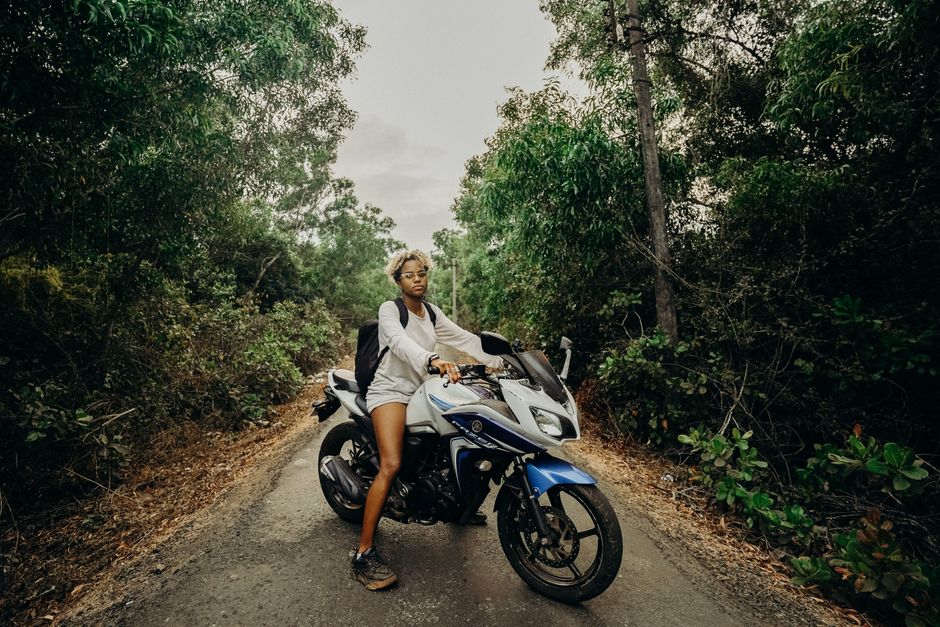
The first day deserves its own plan. Do not treat airport arrival as the start of an improvised adventure. Book the first night in a central, reviewed property and save its address in the local script as well as English.
Use a simple arrival sequence
| Stage | Safer choice | Why it matters |
|---|---|---|
| Before departure | Share flight, lodging, and check-in time with one contact | A trusted person can spot a missed connection quickly |
| At the airport | Use an official taxi desk, airport rail, or a verified ride app | It reduces bargaining pressure and unlicensed-driver risk |
| First evening | Eat near the accommodation and avoid an unfamiliar nightlife area | You learn the neighborhood while rested and connected |
| Next morning | Buy cash, test your route, and register with your embassy if advised | You solve small problems before taking a long trip |
Keep two navigation options
Download offline Google Maps, screenshot the hotel entrance, and keep a paper note with the address. A phone route can fail after a dead battery, blocked data connection, or confusing pickup point. Ask the driver to stop in front of the property, not at a nearby corner.
What should a solo female traveler carry?
Pack for recovery, not appearance. The best kit keeps you mobile after a missed bus, heavy rain, or a lost wallet.
Choose a small safety system
- Carry a 10,000mAh power bank, such as the Anker 523 PowerCore 10K, and keep it in hand luggage.
- Use a cross-body bag with lockable zippers. The Pacsafe Citysafe CX 17 has slash-resistant materials and locking points, but it is still not a substitute for awareness.
- Keep your passport, one payment card, and emergency cash in separate places.
- Store scanned documents in an encrypted cloud folder and on your phone for offline access.
Buy connectivity before you need it
An Airalo regional eSIM can provide a data backup if your phone supports eSIM and the destination plan covers your country. For remote routes, the Garmin inReach Mini 2 offers two-way satellite messaging through a subscription, but it is excessive for a city break. My pick is a local SIM or eSIM for normal travel, with a satellite messenger only for isolated trekking or boat routes. Do not buy a device you will never test before departure.
Which local laws can create trouble?
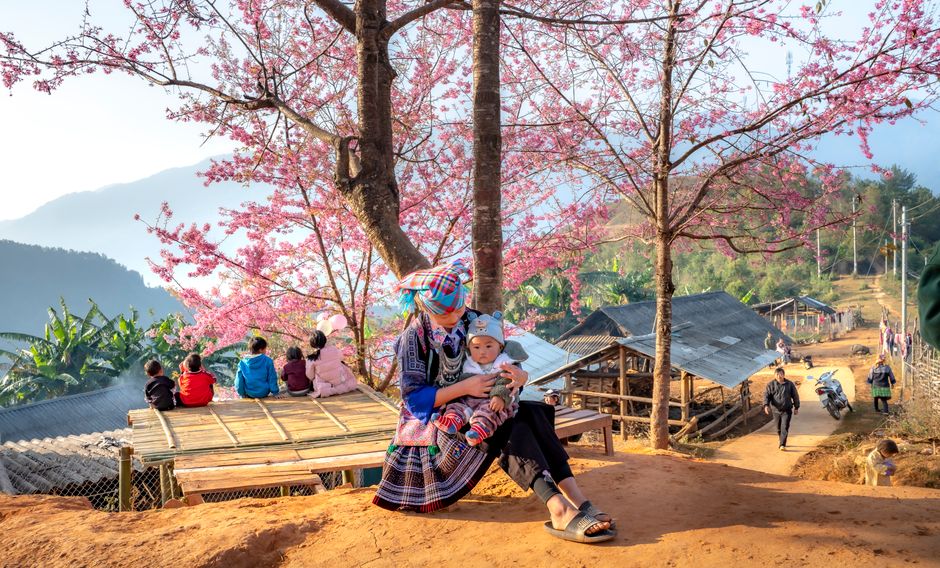
Travel safety includes legal safety. Rules differ across Thailand, Vietnam, Malaysia, Singapore, Indonesia, the Philippines, Cambodia, and Laos, and a familiar habit from home may carry a different penalty abroad.
Can you carry medication, drones, or vape products?
Check each country’s official customs and health authority before packing prescription medicine. Some controlled substances require advance approval, even when a doctor prescribed them. Drone registration, filming near government sites, and vaping rules also vary. Keep medicine in original packaging with a copy of the prescription. Never rely on a social media post as proof that an item is permitted.
What happens after a dispute?
Stay calm, ask for an official receipt, and contact your insurer or embassy when a serious incident occurs. Do not sign a statement you cannot read. This is not legal advice — consult a licensed attorney for a specific dispute, arrest, contract, or injury. The practical rule is simple: carry your passport copy, avoid confrontations, and seek local legal help before making a formal statement.
How do you handle transport, nightlife, and shared spaces?
Transport is where many solo trips become unnecessarily risky. The issue is not that every motorcycle taxi, night bus, or hostel dorm is unsafe. The issue is that tired travelers make fast decisions with incomplete information. Reduce the number of high-pressure choices.
Set boundaries before leaving
For a first journey, choose daytime trains, established bus companies, and direct airport transfers. On overnight travel, select a reputable operator with assigned seats and recent reviews. Avoid accepting a replacement vehicle from someone who approaches you outside a station. Photograph the vehicle plate and send it to your contact before departure. If a driver changes the destination, stop at a busy hotel or shop and reassess. You are allowed to end a ride.
Make nightlife predictable
Tell one person where you are going, keep your own drink in sight, and arrange the return route before ordering anything. A hostel dorm with a female-only option can be more comfortable than a mixed dorm on your first night, but a private room is the better choice after a long transit day. Do not announce your room number, passport details, or full itinerary to new acquaintances. Friendly conversation is welcome; access to your plans is optional. My strongest recommendation is to leave while the night still feels easy, not after a problem has started.
What are the most common solo travel mistakes?
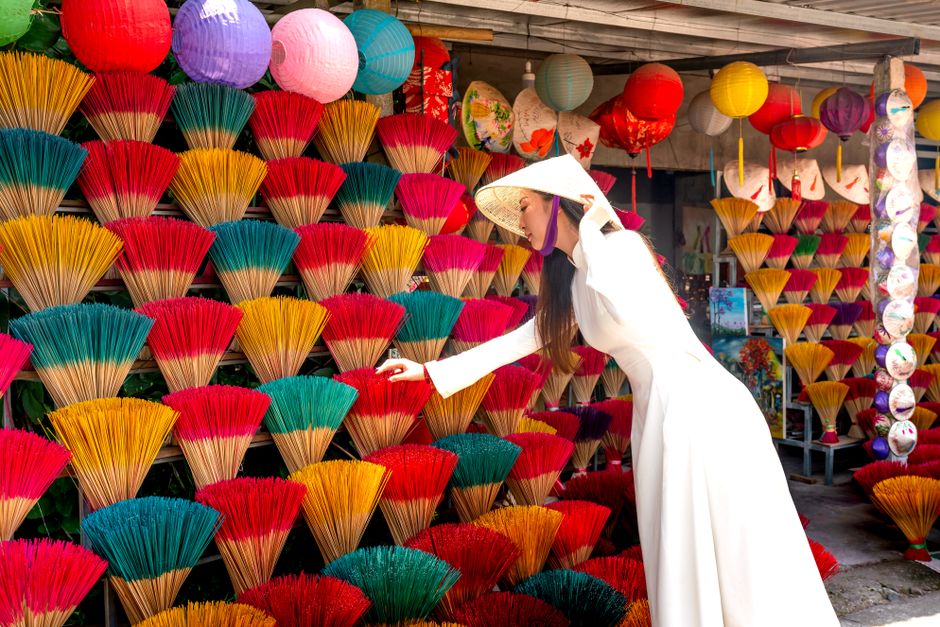
Most avoidable problems begin with overconfidence, not bad luck. A flexible itinerary is useful, but flexibility should sit on top of a basic safety net.
Five mistakes to remove from your plan
- Arriving in a new city after midnight without a confirmed transfer.
- Keeping every card, document, and banknote in one wallet.
- Riding a scooter without the correct license, helmet, insurance, or practice.
- Assuming a familiar ride-hailing app operates the same way in every country.
- Posting your live location while you are still inside the property.
Know when to change the route
Skip a remote island, jungle trek, or border crossing when weather, health, or transport warnings make the margin too thin. You do not prove independence by accepting a bad plan. Spend the extra night in a connected town, take a daytime transfer, or join a short, reputable local excursion. That choice protects time and reduces pressure without turning the trip into a group holiday.
How can you travel alone without feeling isolated?
Solo travel works best when independence has planned points of contact. Book two or three social activities, such as a cooking class, walking tour, or small-group day trip, rather than trying to meet strangers every night.
Use a simple weekly rhythm
Alternate demanding days with easy ones: one long transfer, one local exploration day, one rest morning, then another move. This keeps fatigue from making every stranger seem trustworthy or every problem seem urgent. Choose accommodation with a staffed reception and recent reviews that mention cleanliness, access, and late check-in.
Leave room for a better decision
A successful trip is not measured by the number of countries visited. It is measured by how often you can pause, check the facts, and choose your next step clearly. In 2026, Southeast Asia remains a varied region for solo women: approachable in major hubs, more demanding beyond them, and best experienced through deliberate movement rather than constant speed. The category will keep changing, but careful planning will remain the most portable travel skill.