
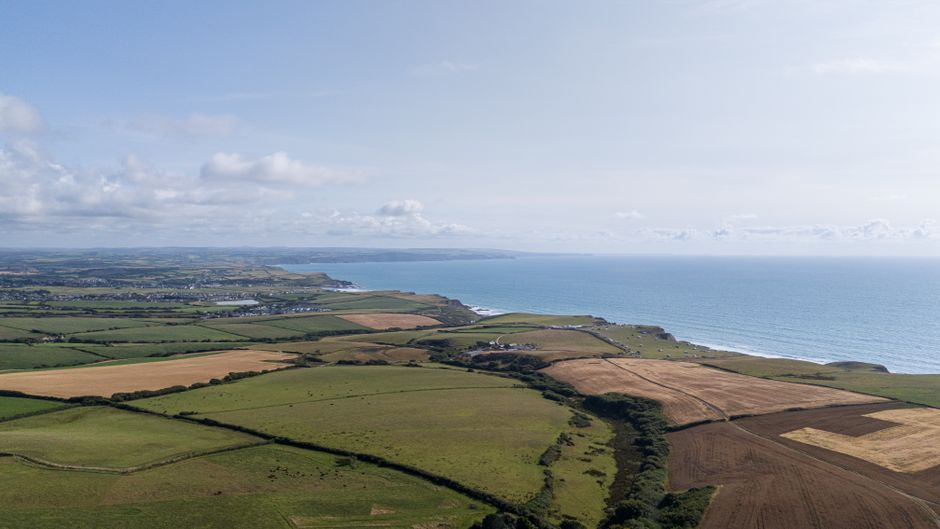
I’ve lost count of how many people book a ‘bargain’ Cornish hotel in August, drive six hours down the M5, then spend £18 on a soggy pasty staring at horizontal rain through a window that doesn’t open. They paid £240 a night for that privilege. The problem isn’t Cornwall. It’s that most ‘deals’ are just the same overpriced rooms with 10% off—still a bad decision, just a slightly cheaper bad decision.
Real Cornwall hotel deals exist. They require knowing when to go, which towns to ignore, and why a sea-view premium sometimes costs less than a car park view in the wrong month. I’ve been making this trip since I was tall enough to reach the pedals, and I’ve tested the booking patterns that actually work.
The Shoulder Season Sweet Spot Most People Ignore
Everyone talks about shoulder season. Few actually book it correctly for Cornwall. May and late September aren’t just cheaper—they’re better. The Gulf Stream keeps the sea swimmable into October, and the crowds thin out enough that you can actually park in Padstow without a fistfight.
Here’s the pattern I’ve tracked across three years of bookings at the same properties:
| Month | Avg. Nightly Rate (4-star, St Ives) | Crowd Level | Water Temp | Deal Probability |
|---|---|---|---|---|
| April | £140–£180 | Low | 10°C | High (dinner B&B packages common) |
| May | £160–£210 | Moderate | 12°C | Very High (pre-half-term gaps) |
| June–August | £240–£380 | Packed | 15–17°C | Low (discounts are cosmetic) |
| Late September | £150–£200 | Low | 16°C | Very High (genuine 30–40% drops) |
| October | £120–£160 | Very Low | 14°C | Highest (but weather gamble) |
Late September is the answer. The water is warmer than June, the light is golden for those cliff walks, and hotels that were £300 a night in August suddenly drop to £180 with a free cream tea thrown in. I’ve booked The Headland Hotel in Newquay for £155 midweek in late September—same room that fetches £310 in July.
Why ‘Free Night’ Offers Are Usually Worse
You’ll see “Stay 3 nights, pay for 2” plastered across booking sites. Run the numbers first. I checked a deal at a well-known Falmouth hotel offering exactly this. The 3-night ‘deal’ priced at £420 total. Booking the same room for 2 nights separately? £280. The third night wasn’t free—they’d inflated the base rate by 40% to absorb it. Always price-check the nightly rate independently before biting on a multi-night package.
The Sunday–Thursday Pattern
Cornwall hotels fill Friday and Saturday regardless of season. The real unsold inventory is Tuesday and Wednesday nights. If you can work remotely or take odd days off, a Tuesday–Thursday stay unlocks rates 25–40% lower than Friday–Sunday at the same property. The Carbis Bay Hotel & Spa (£220 Friday, £145 Tuesday in May—I’ve booked both).
St Ives vs Newquay: Pick Wrong and You’ve Blown the Budget Before Arriving

This is the decision that determines whether your Cornwall trip feels like a bargain or a trap. Both towns have hotels. Both have beaches. The financial experience is completely different.
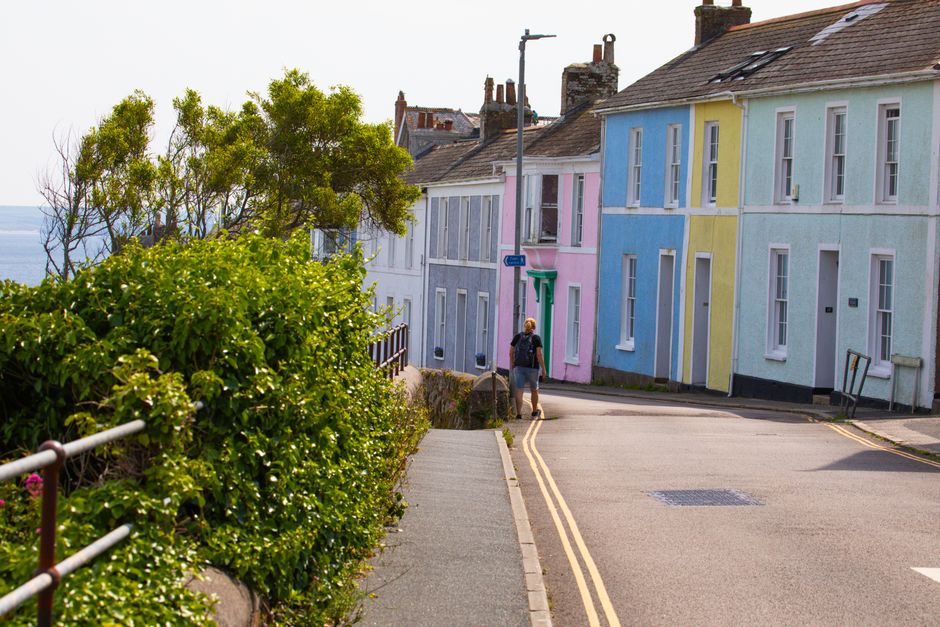
St Ives charges a premium for its art-gallery charm and that harbour-front postcard look. Parking is a nightmare—most hotels don’t have it, and the town car parks charge £12–£15 a day. You’ll spend £60–£90 on parking over a 5-day stay. Add that to your hotel cost before comparing. The Tregenna Castle Resort sits above town with actual parking and grounds—it’s the exception, and their off-peak rates (£110–£140) make it one of the better value plays in the area.
Newquay has more hotel stock, more competition, and generally lower prices. The Headland Hotel (£150–£220 off-peak) gives you Victorian grandeur on a headland with proper parking. The Esplanade Hotel (£90–£130) sits right on Fistral Beach and includes surf storage. You’re trading the gallery-and-pastel-cottage aesthetic for better surf and lower costs. For families, Newquay wins on value almost every time.
When St Ives Actually Makes Financial Sense
January to March. That’s it. The town empties out, the light is stark and beautiful, and hotels that charge £280 in summer drop below £100. The St Ives Harbour Hotel runs winter storm-watching packages at £89 per night including breakfast and a hot chocolate tray. You get the same view, zero crowds, and a price that doesn’t make your eyes water. Just check which restaurants stay open—many close entirely from January to mid-February.
The Hidden Cost That Destroys ‘Cheap’ Hotel Deals
Parking. I mentioned it briefly, but it deserves its own section because it’s the single biggest budget-killer in Cornish coastal towns. A hotel deal at £99 a night looks great until you add £15 daily parking and realize you’re actually paying £114—and that’s if you find a space.
Hotels that advertise ‘parking available’ often mean ‘there’s a public car park 400 metres away that you pay for.’ The distinction matters. When I book now, I filter ruthlessly: on-site parking included or I move on. Properties that genuinely include it:
- The Headland Hotel, Newquay — large private car park, no charge, no stress
- Tregenna Castle, St Ives — 72 acres of grounds, free parking for guests
- Bedruthan Hotel, Mawgan Porth — cliff-top position with ample free parking
- The Alverton, Truro — former convent with courtyard parking included in the rate
If a deal listing says ‘nearby parking’ or ‘public parking available,’ add £60–£100 to your total trip cost before comparing. That ‘cheaper’ hotel 200 metres from the harbour might actually cost more than the pricier one with its own car park.
Flash Sales and Email Lists: The Only Booking Hack Worth Using
Here’s something most travel bloggers won’t tell you: the best Cornwall hotel deals never hit the comparison sites. They go to email lists first, then get picked over, and the leftovers end up on Booking.com at a ‘discount’ that isn’t one.
I track this obsessively. The Scarlet Hotel in Mawgan Porth—adults-only, eco-luxury, genuinely stunning—runs a 72-hour flash sale every January for April–June stays. Rooms that normally go for £290 drop to £190 with a spa credit. These sell out before they ever appear on Trivago. The only way to catch them is signing up for the hotel’s own newsletter, which takes 30 seconds and unsubscribing is easy if you change your mind.
Same pattern with the Bedruthan Hotel (Scarlet’s family-friendly sister property). Their ‘Sunset Saver’ emails hit inboxes on Tuesday mornings, usually with 25–35% off midweek stays for the following month. I booked a sea-view family room for £140 in June—the public rate that week was £210.
Travelzoo UK occasionally picks up Cornish hotel deals worth checking, particularly for spa-inclusive packages at the Fistral Beach Hotel or the St Michaels Resort in Falmouth. But their listings typically appear 48 hours after the hotel’s own email blast, by which point weekend availability is gone. Use them as a backup, not your primary search.
If you’re booking through a cashback portal linked to hotel chains or booking platforms, that’s an extra 3–8% back on a purchase you were already making. It’s not dramatic, but on a £600 stay, £30–£48 back covers a nice dinner in Padstow. Just don’t let the cashback tail wag the hotel-choice dog—a bad hotel with 8% cashback is still a bad hotel.
When Not to Chase a Cornwall Hotel Deal at All
Some trips shouldn’t be about the discount. If you’re booking for the August bank holiday, accept that you’re paying peak rates and focus on getting the experience right rather than hunting a bargain that doesn’t exist. The difference between a £280 room and a £260 room that weekend is negligible, but the difference between a room with a sea view and a room overlooking a Tesco delivery bay is everything.
Similarly, if you’re celebrating something—anniversary, big birthday, finally getting the kids to sleep through the night—book the hotel you actually want. The Scarlet’s hot tubs overlooking Mawgan Porth beach at sunset aren’t discounted in July, and they shouldn’t be. Some experiences are worth the full price.
The deals I’ve outlined work best for flexible travellers who can shift dates by a week or two, arrive midweek, and don’t need school-holiday timing. If that’s you, Cornwall in late September or May is one of the best value coastal breaks in Europe right now—Gulf Stream warmth, empty beaches, and hotel rates that feel like 2019 prices. If you’re locked into August, just book early, secure the parking, and lower your expectations on the discount front.
The booking landscape for UK coastal hotels is shifting. Dynamic pricing algorithms are getting sharper, and the window for genuine shoulder-season deals narrows each year as more people catch on. The hotels that still run old-school email flash sales—the Scarlets and Bedruthans of the world—are the ones to watch. Get on their lists now, before they switch to the same algorithmic pricing everyone else uses.