
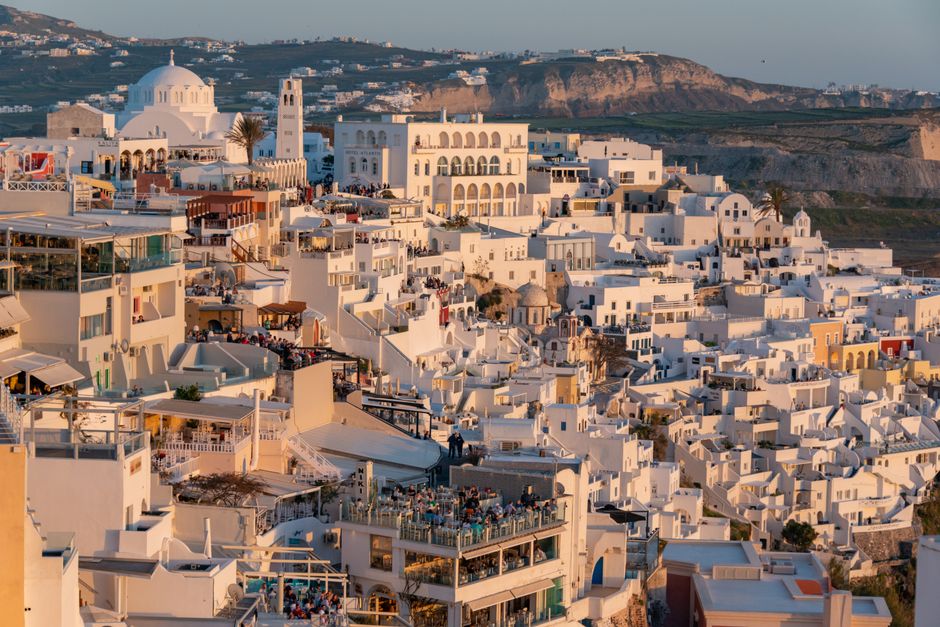
The question isn’t whether the caldera view is beautiful. It is. The question is whether you’ll actually see it, or just the back of someone’s selfie stick. I’ve spent the better part of a decade guiding visitors through the Cyclades, and I’ve watched Santorini transform from a bucket-list essential into a genuine logistical puzzle. By 2026, the island’s visitor management has tightened—cruise ship passenger caps are real, and the narrow paths of Oia now have one-way pedestrian flows during peak hours. So is it overrated? The answer requires more nuance than a yes or no.
Most people who call Santorini overrated made the same three mistakes. They came in August. They stayed in Oia. And they tried to see the sunset from the castle ruins with 2,000 other people. Fix those variables, and the island transforms. But there’s also the uncomfortable truth that Santorini’s price-to-experience ratio has tilted so far that even savvy travelers are questioning the value. A modest hotel with a caldera view now routinely costs more per night than a mortgage payment. The local taverna where fishermen ate grilled octopus has been replaced by a sushi fusion spot charging €28 for a cocktail. This isn’t nostalgia talking—it’s a structural shift in who the island serves.
Here’s the breakdown no tourism board will give you: what’s actually happening on the ground in 2026, where the value still exists, and when you should skip Santorini entirely for a different Cycladic island.
The 2026 Crowd Reality: Cruise Caps and the Sunset Stampede
Since the 2026 implementation of the daily cruise passenger limit of 8,000, the rhythm of the island has shifted. The mornings in Fira are noticeably calmer before 10 a.m., when tenders start arriving. But the cap hasn’t eliminated the bottleneck—it’s concentrated it. Ships now stagger arrivals, which means the midday crush lasts longer, stretching from 11 a.m. until 4 p.m. rather than a single overwhelming wave.
The cable car queue in Fira remains the single worst experience on the island. On a day with four ships in the caldera, you’re looking at a 90-minute wait in direct sun to get down to the old port. The alternative is the 588-step donkey path, which in 2026 is better maintained but still slippery with donkey waste and crowded with animals that, frankly, shouldn’t be carrying tourists in 32°C heat. Neither option feels good.
The sunset situation in Oia has reached a point of municipal intervention. The castle ruins—the iconic sunset viewpoint—now has a timed entry system during June through September. You book a 20-minute slot via a QR code posted at the entrance. If that sounds like visiting a museum exhibit rather than experiencing a natural phenomenon, that’s because it is. The Byzantine castle ruins are now effectively a queue-managed attraction. Locals have stopped going entirely.
Where to Actually Watch the Sunset
Skaros Rock in Imerovigli requires a 15-minute scramble down a rocky path, which filters out about 95% of the crowd. Bring a headlamp for the walk back. The Akrotiri lighthouse at the island’s southwestern tip offers a completely different angle—the sun drops into the open Aegean rather than behind the caldera rim, and you’ll share it with maybe a dozen people. Santo Wines in Pyrgos takes reservations for terrace tables, and while it’s not secret, the €15 glass of Assyrtiko acts as an effective velvet rope.
The Price Problem: What Santorini Actually Costs in 2026
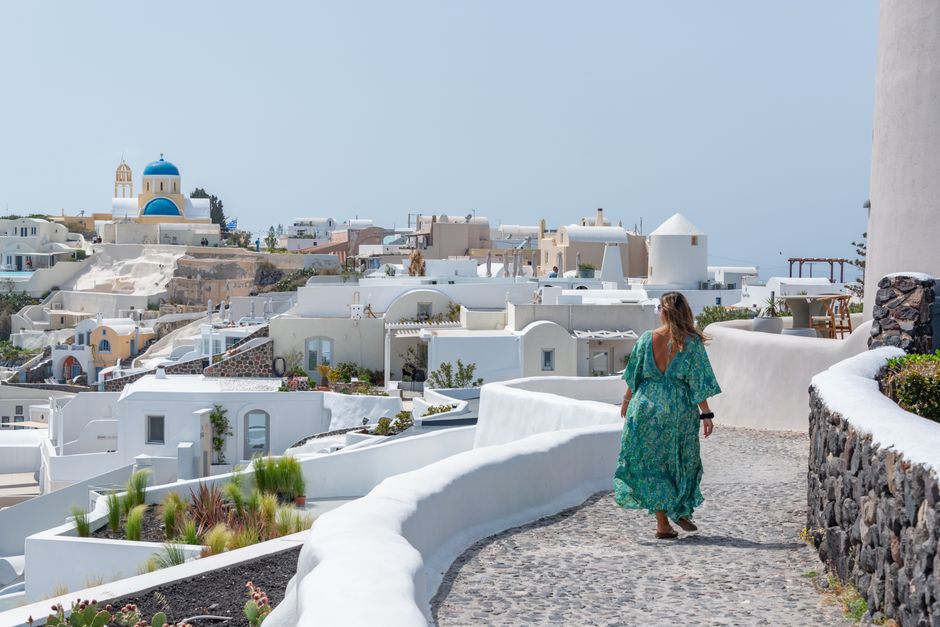
Let’s talk numbers. A caldera-view room at a mid-tier property like the Aressana Spa Hotel in Fira starts at €380 per night in shoulder season (May or October). In August, that same room hits €650. A basic gyros pita from a takeaway window in Fira now costs €5.50—up from €3.80 in 2019. A sit-down dinner for two with a bottle of local wine at a non-tourist-trap taverna away from the caldera edge runs about €70. On the caldera, double that.
The island has effectively bifurcated into two economies. There’s the caldera-facing Santorini of infinity pools and €40 breakfast buffets, and there’s the inland Santorini of villages like Pyrgos, Megalochori, and Emporio, where rooms go for €80-120 and tavernas still serve moussaka baked that morning. The problem is that the inland experience—while authentic and pleasant—isn’t why people fly halfway around the world. You can get a charming Greek village experience on a dozen islands for half the price.
Ferry connections from Athens (Piraeus) run €55-80 one-way on Blue Star Ferries (8 hours) or €90-120 on SeaJets high-speed (5 hours). Flights from Athens on Aegean Airlines or Sky Express book at €60-180 depending on how far ahead you lock in. The real budget killer isn’t getting there—it’s what happens once you arrive.
| Expense Category | Santorini (Caldera View) | Santorini (Inland) | Naxos (Agios Prokopios) | Milos (Pollonia) |
|---|---|---|---|---|
| Mid-range Hotel (per night) | €350-650 | €80-120 | €90-150 | €110-180 |
| Dinner for 2 (with wine) | €100-160 | €50-70 | €45-65 | €55-80 |
| ATV/Scooter Rental (24h) | €40-55 | €35-45 | €25-35 | €30-40 |
| Sunbed Set (beach club) | €40-80 | €15-25 | €15-20 | €20-30 |
| 3-Day Total (per person, excl. flights/ferries) | €850-1,400 | €350-500 | €300-450 | €380-550 |
Those inland Santorini numbers look reasonable until you compare them to Naxos, where you get better beaches, better food (I’ll die on this hill), and zero crowd stress for less money. The caldera view is the entire premium. Whether that view is worth a 200% markup over comparable Cycladic experiences is the question you need to answer honestly before booking.
When the Island Still Delivers: The Case for Going
There are three windows where Santorini justifies its reputation and its price tag. The first is late October through early November. The sea remains warm enough for swimming, the sunset aligns more dramatically with the caldera, and the cruise season has largely ended. Hotels that charged €600 in August drop to €180. Taverna owners have time to talk to you. The light turns golden earlier in the day, and the whitewashed walls seem to glow rather than glare.
The second window is March to early April. You risk some rain and wind, and not every restaurant will be open. But the wildflowers blanket the volcanic soil in a brief, spectacular bloom that most visitors never see. The hiking trail from Fira to Oia—all 10 kilometers of it—is empty except for locals walking their dogs. You’ll have the caldera to yourself at sunrise.
The third window isn’t seasonal—it’s geographic. Stay in Pyrgos. The highest village on the island has its own castle ruins, a handful of excellent tavernas (Kantouni and Cava Alta are the standouts), and a fraction of the crowds. From Pyrgos, you can drive to the caldera viewpoints in 15 minutes when you want the iconic view, then retreat to a village that still feels like a real place rather than a film set.
The Hiking Trail Nobody Uses
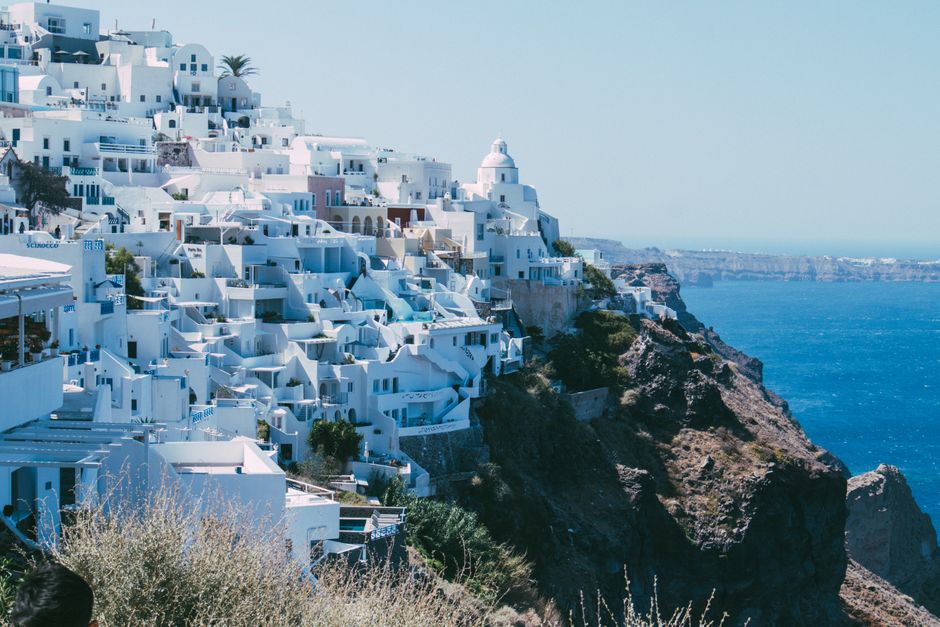
Skip the Fira-Oia trail entirely in peak season—it’s become a conveyor belt of hikers in direct sun with zero shade. Instead, drive to the parking area near Profitis Ilias monastery, the island’s highest point at 567 meters. From there, an unmarked trail descends through the Ancient Thera ruins and winds down to Perissa beach. It’s a 7-kilometer descent through juniper and wild thyme, with views of the entire southeastern coastline. You’ll pass maybe three people.
The trail deposits you at Perissa’s black sand beach, where the taverna Ta Dichtia serves grilled sardines and cold Mythos beer directly on the sand. The beach itself isn’t the Maldives—the sand is coarse and dark, and it gets hot enough to melt flip-flops. But after a hike in the Cycladic sun, the water feels exactly as cold as you need it to be.
Where Santorini Fails: The Instagram Trap
Here’s the uncomfortable thing. A significant portion of Santorini’s visitors aren’t really visiting Santorini. They’re visiting a backdrop. The blue-domed churches of Oia have become stage sets where the primary activity is waiting in line to take the same photo that 10,000 people took the same week. The experience has been optimized for the image, not the person.
This reached peak absurdity in 2026 when a couple reportedly flew from Singapore, stayed for 36 hours, spent €4,000, and spent 11 of those hours in a hotel room editing photos. I’m not making a value judgment about how people travel. But if your primary motivation is photographic, you need to understand that the conditions on the ground in 2026 make those effortless-looking Instagram shots genuinely difficult to capture. The famous Oia steps now have a permanent crowd. The blue dome shot requires a 40-minute queue by 9 a.m. in summer. The iconic windmill is now behind a rope barrier.
If the photos are the point, book a November trip or accept that you’ll need to wake up at 5:30 a.m. Otherwise, you’re paying a massive premium for an experience that actively frustrates the goal you’re trying to achieve.
The Islands Locals Book Instead
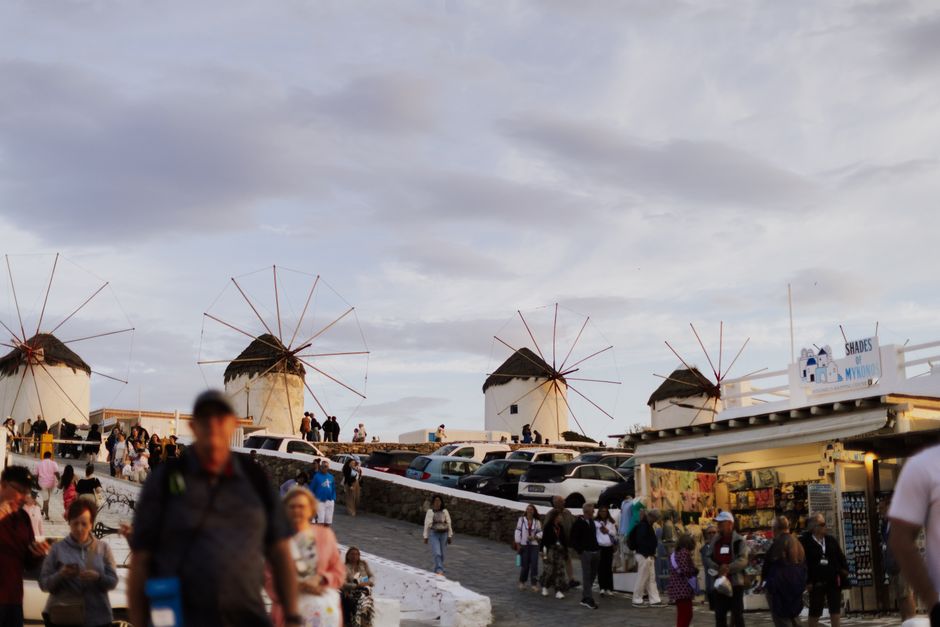
When Santorini residents need a break from Santorini, they go to Amorgos. It’s a 90-minute ferry ride east, and it’s everything Santorini was 30 years ago. The monastery of Hozoviotissa clings to a cliff face 300 meters above the sea. The water at Agia Anna beach is impossibly clear. A seafood dinner for two with raki costs €40. There are no cruise ships because the port can’t accommodate them.
For travelers who want the Cycladic architecture without the circus, Milos delivers. The fishing village of Klima has colorful syrmata (boat houses carved into the rock) that rival anything on Santorini’s caldera. Sarakiniko’s lunar landscape of white volcanic rock is genuinely surreal. And the island’s 75 beaches—many accessible only by boat—mean you can find your own strip of sand even in August. Milos is trending upward fast, and by 2026 it’s no longer the secret it was five years ago, but it’s still a decade behind Santorini on the overcrowding curve.
Paros and Naxos offer the best all-around value. Paros combines a lively main town (Naoussa) with excellent beaches and a food scene that rivals Athens. Naxos has the best hiking in the Cyclades, a fertile interior that produces outstanding cheese and potatoes (the Naxian potatoes at To Elliniko taverna are a legitimate reason to visit), and beaches like Plaka and Agios Prokopios that stretch for kilometers. Neither island has a caldera view. Neither needs one.
Who Should Still Go to Santorini in 2026
If you’re a first-time visitor to Greece with limited time and the caldera view is genuinely meaningful to you—not just for photos but as something you want to sit and absorb—then Santorini still delivers. Book a caldera-view room in Imerovigli rather than Oia. It’s quieter, the views are arguably better (you see the entire curve of the caldera), and you can walk to Oia when you want the iconic sights. Come in October. Budget €300 per person per day and accept that you’re paying for one of the most geologically unique landscapes in Europe.
If you’re a repeat visitor to Greece or you’re primarily interested in beaches, food, and relaxed exploration, skip it. The Cyclades have 20 inhabited islands, and at least half a dozen of them offer a better experience at a lower price. Santorini in 2026 is a luxury product that happens to be an island. Treat it like one—know exactly what you’re buying, and don’t expect it to be something it no longer is.
The caldera will still be there in November, empty and spectacular, the volcanic cliffs turning copper in the last light. The question isn’t whether Santorini is overrated. It’s willing to time your visit so the answer doesn’t matter.